How Professionals Remove Water From a Flooded Basement
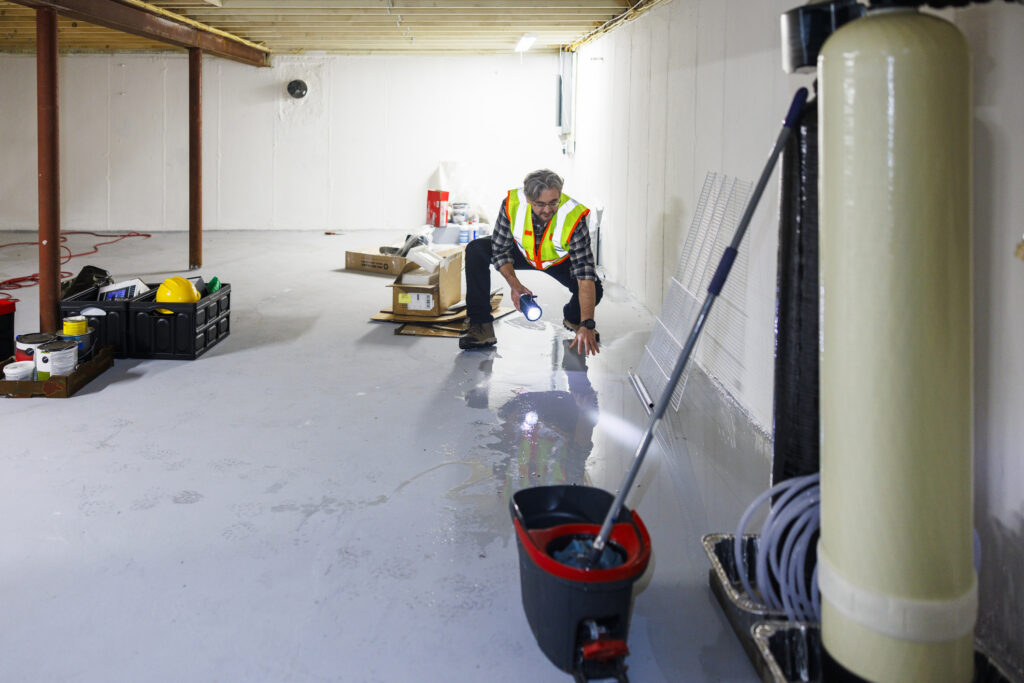
A flooded basement is never a good time. Whether it’s an inch of water from heavy rainfall or several feet from a burst pipe, the water damage can escalate quickly. While reaching for a mop and floor fan might feel productive, serious flooding calls for a stronger strategy.
Professional basement water removal involves specialized pumps, extraction equipment, moisture detection tools, and industrial drying systems. But there’s more to the job than just drying up obvious puddles.
Here’s how professionals remove water from a flooded basement, what equipment they use, and what happens after the visible water is gone.
How Professionals Assess a Flooded Basement First
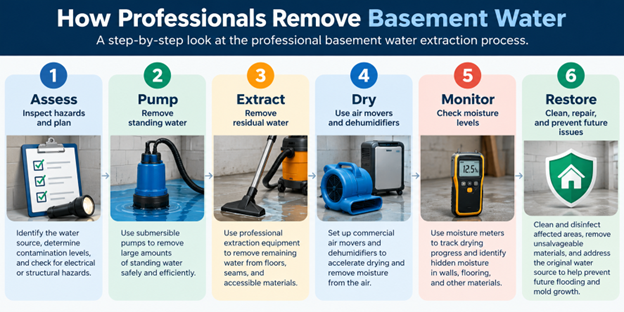
Professionals assess a flooded basement by:
- Identifying the water source
- Determining contamination levels
- Checking for electrical or structural hazards
They also measure and monitor moisture levels to understand how far the water has spread into other materials. This initial assessment helps emergency restoration teams choose the safest extraction methods, identify damaged materials, and develop the most effective structural drying plan.
Identifying the Water Source
Before removing water, professionals need to know where it’s coming from. Common culprits include:
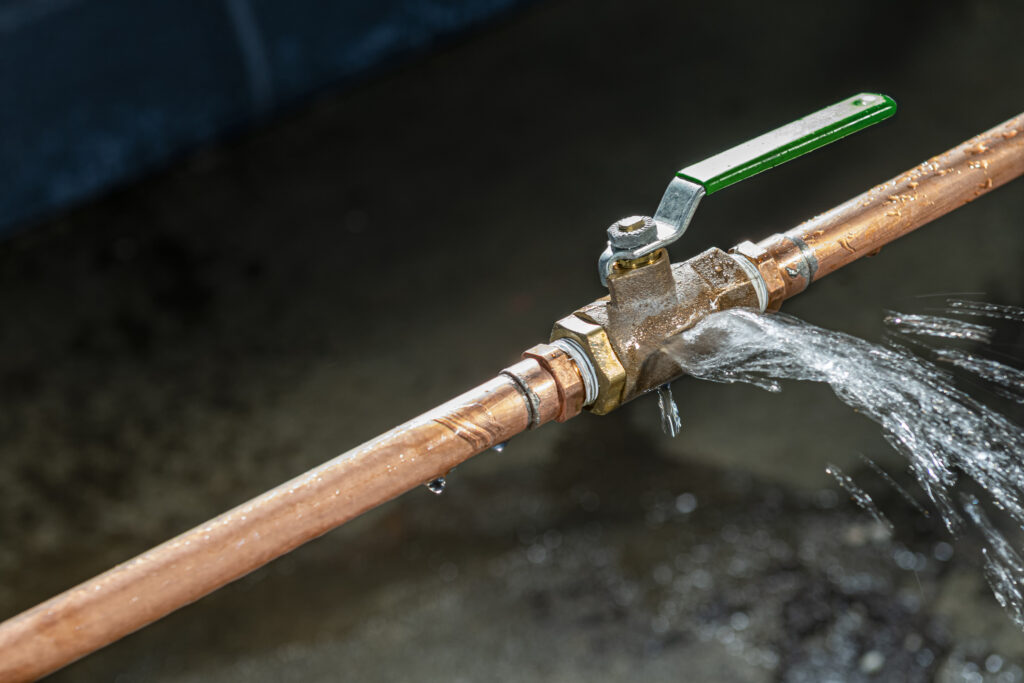
- Burst or Leaking Pipes: Plumbing failures can release large amounts of water quickly.
- Heavy Rainfall: Water can enter through foundation cracks, windows, or overwhelmed drainage systems.
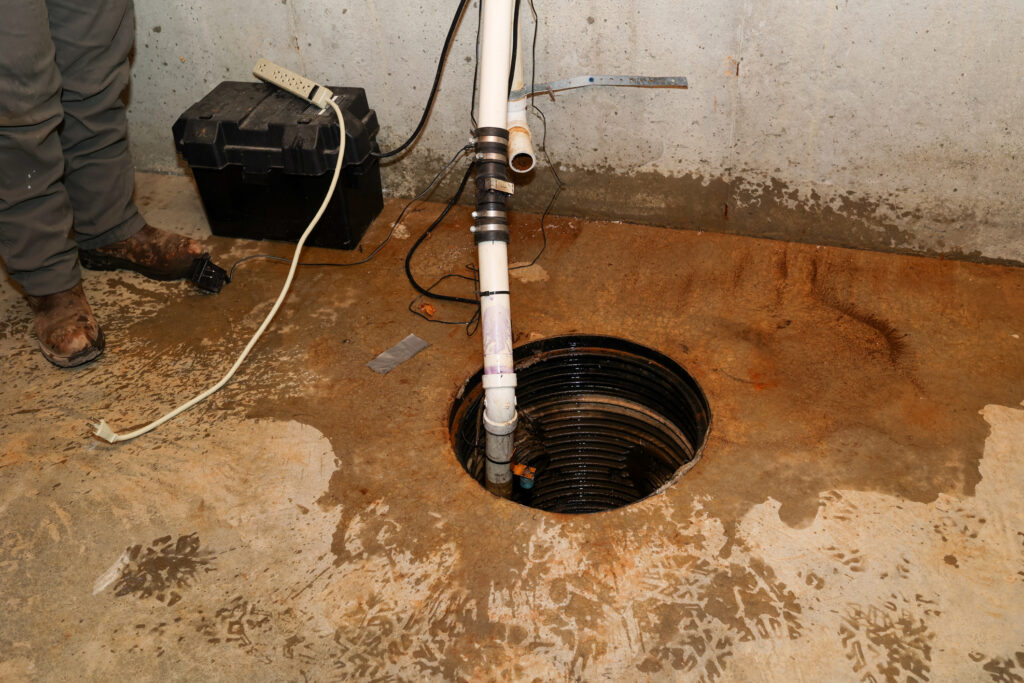
- Sump Pump Failures: A malfunctioning pump can leave a basement vulnerable during storms.
- Sewer Backups: Sewage water can enter through floor drains or plumbing fixtures.
Stopping the source is essential. Otherwise, removing water becomes a lot like bailing out a boat with a hole in the bottom.
Determining Water Category (Clean, Gray, Black)
Floodwater presents different risks depending on levels of contamination. Restoration professionals classify water into three categories:
|
Category |
Description |
Typical Source |
|
Cat 1: Clean Water |
Initially free of significant contamination |
Broken supply line |
|
Cat 2: Gray Water |
Contains significant contamination |
Some appliance discharges |
|
Cat 3: Black Water |
Grossly contaminated and potentially hazardous |
Sewage backups, floodwater from outdoors |
It’s important to note that water conditions can worsen over time. Water that starts clean can become hazardous, particularly when contaminated materials are involved. The category influences the flood cleanup process, protective equipment needed, and which materials can be saved.
Safety Checks (Electrical, Structural)
It’s common knowledge that water and electricity are a bad combination. Professionals will check for electrical hazards, compromised foundations, damaged stairs, and other structural concerns before entering.
Pro Tip: Never enter a flooded basement if electrical outlets, appliances, or wiring are submerged. Let a professional disconnect your power from a safe location. If you suspect structural damage, do not enter.
Equipment Used to Remove Water From a Basement
The equipment used by professionals to remove basement water depends on:
- Water depth
- Accessibility
- Affected materials
Water damage restoration crews will usually combine several tools to handle different stages of extraction.
Submersible Pumps
Submersible pumps are workhorses for basements with a large amount of standing water. These pumps operate underwater, moving large volumes of water through discharge hoses to a designated drainage area.
They’re particularly useful when water is too deep for conventional extraction equipment.
Wet/Dry Vacuums
Professional wet/dry vacuums are good for smaller amounts of standing water and hard-to-reach places. They’re useful around corners, stair landings, and other spaces larger equipment can’t effectively operate.
Unlike your standard household vacuum, these machines are designed specifically for liquid extraction.
Truck-Mounted Extraction Units
Truck-mounted extraction systems use powerful suction to remove water from floors and some porous materials.
They’re especially useful when large areas need attention. Portable extraction units are more useful when basement access makes truck-mounted equipment impractical.
How Professionals Remove Basement Water
Once the basement is safe and the source of the water is under control, the basement water extraction process can begin. Crews work systematically to remove standing water, address trapped moisture, and prepare the space for thorough structural drying.
Pumping Out Standing Water
Technicians typically begin with submersible pumps to remove significant amounts of standing water. However, water isn’t always pumped out as quickly as possible. In basements affected by severe flooding, water may need to be removed gradually to avoid dangerous pressure differences against foundation walls.
Pro Tip: If outdoor floodwater is still pressing against the foundation, pumping water out too fast can lead to structural damage. Let qualified professionals decide when and at what speed water should be removed.
Extracting Residual Moisture
After the bulk water is gone, extraction equipment removes remaining water from floors, seams, and accessible materials.
Technicians also carefully inspect drywall, insulation, flooring, and subfloors for hidden moisture. Some saturated materials may need to be removed if they can’t be safely or effectively dried.
Setting Up Drying Equipment
Next up are the commercial air movers and dehumidifiers. Air movers speed up evaporation, while dehumidifiers pull moisture from the air.
Technicians position equipment strategically based on moisture readings, room layout, and affected materials rather than simply pointing fans everywhere and crossing their fingers.
How Basements Are Dried After Water Removal
Removing standing water is only half the battle. Concrete, wood framing, drywall, and other building materials can retain moisture long after floors look dry.
Professional drying typically includes four key factors:
- Moisture Mapping: Using meters to identify damp materials and hidden moisture.
- Controlled Airflow: Positioning air movers to encourage evaporation.
- Dehumidification: Removing airborne moisture to support drying.
- Daily Monitoring: Tracking moisture readings and adjusting equipment until drying goals are met.
So, how long does basement water removal actually take? Standing-water extraction may take several hours or longer, depending on water volume and access. Complete structural drying often takes several days, although severe flooding may require more time.
A basement that looks dry may cling to hidden moisture. Moisture measurements help confirm when affected materials have reached target dryness.
How Professionals Prevent Mold After Water Removal
Mold prevention begins with fast action, thorough drying, and controlling the original moisture source. The EPA recommends drying water-damaged areas and materials within 24–48 hours when possible to help prevent mold growth.
Restoration professionals also remove unsalvageable porous materials, clean affected surfaces, and monitor hidden moisture in walls and flooring. Contaminated floodwater typically requires additional cleaning, disinfection, or specialized remediation.
Pro Tip: Don’t assume your basement is mold-free just because the musty smell goes away. Hidden moisture behind walls or beneath flooring can create problems long after cleanup.
If your basement is flooded, A1 Restoration is ready to help. Our around-the-clock emergency restoration team handles professional basement flood cleanup, from water extraction and structural drying to mold remediation and damage restoration.
Contact A1 Restoration for 24/7 emergency service and get your basement on the road to recovery.