Understanding the Different Categories of Sewage Water Damage
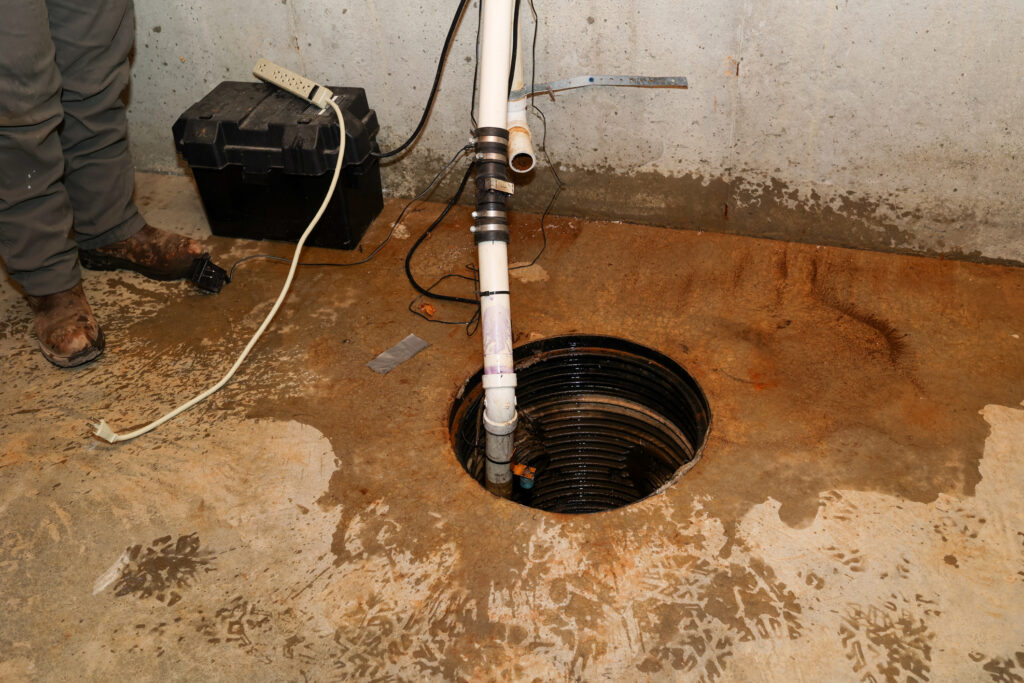
Water damage runs on a broad spectrum. A leaking supply line is one thing. A toilet overflowing with sewage or debris-ridden floodwater? That’s a whole different kind of nightmare. Sewage backups (Category 3 water damage) require immediate, professional sewage cleanup to prevent health risks and structural ruin.
Understanding the different categories of sewage water damage helps you recognize contamination risks, protect your family, and make smarter cleanup decisions. Restoration professionals classify water damage into three categories based on contamination levels, ranging from clean water to dangerously unsanitary water.
And here’s the catch: Sometimes water starts out clean and becomes contaminated as it spreads.
Let’s break down the categories, health risks involved, and why sewage cleanup jobs are best left to professionals with protective gear and very strong stomachs.
Is Sewage Water Dangerous? Health Risks to Know
Yes, sewage water is dangerous because it often contains harmful bacteria, viruses, parasites, and other contaminants that pose health risks.
Exposure typically occurs through direct skin contact, accidental ingestion, or contact with contaminated surfaces. Sewage backups are generally classified as Category 3 water damage. This is the most hazardous contamination category and requires a specialized cleanup process.
Bacteria, Viruses, and Parasites in Sewage
Sewage can carry disease-causing microorganisms, including:
- Bacteria: E. coli, Salmonella, and other pathogens associated with gastrointestinal illness.
- Viruses: Norovirus and hepatitis A, which can spread through fecal contamination.
- Parasites: Giardia and Cryptosporidium, which can cause intestinal infections.
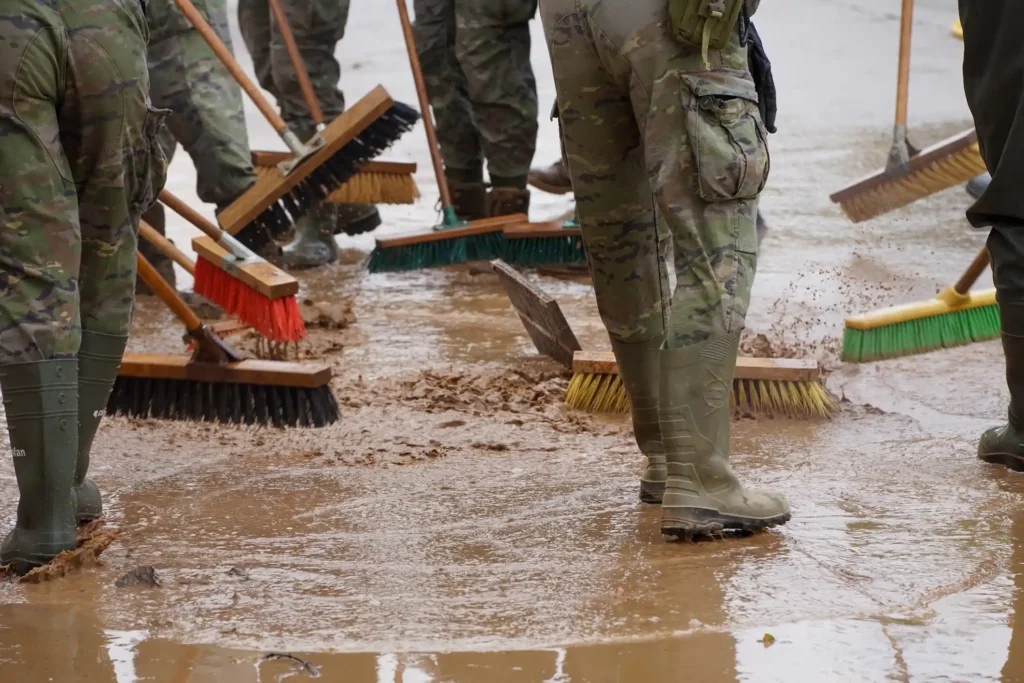
Floodwater may also contain sewage and other hazardous substances, so flood cleanup should always be handled by experts.
Symptoms of Exposure
Depending on the level of contamination and where it comes from, symptoms of sewage water exposure may include things like:
- Nausea
- Vomiting
- Diarrhea
- Fever
- Skin irritation
Open wounds exposed to contaminated water are vulnerable because they can easily become infected. If you develop any of these symptoms after exposure to sewage water, contact a healthcare professional immediately.
Who Is Most at Risk?
Children, older adults, people with weakened immune systems, and anyone with open wounds face greater risks when exposed to Category 2 or 3 water damage.
Pro Tip: Keep children and pets completely away from sewage water damage. Don’t attempt to rescue contaminated toys, stuffed animals, or other highly absorbent items without professional instruction.
How Water Damage Categories Compare — Side-by-Side
The IICRC water damage categories, established under the ANSI/IICRC S500 standard, help restoration professionals evaluate contamination and determine appropriate cleanup procedures.
Contamination Level and Source
|
Category |
Contamination Level |
Common Source |
|
Cat 1: Clean Water |
Minimal contamination at the source |
Broken supply lines, overflowing sinks with clean water |
|
Cat 2: Gray Water |
Significant contamination that may cause illness |
Washing machine discharge, dishwasher leaks |
|
Cat 3: Black Water |
Grossly contaminated and potentially hazardous |
Sewage backups, toilet overflows containing feces, contaminated floodwater |
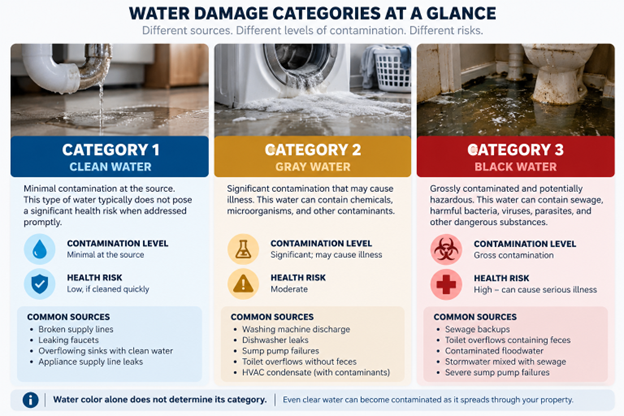
An important distinction to note is that while people often search for three categories of sewage damage, these categories technically apply to all water damage.
Actual sewage contamination generally falls under Category 3.
Safety and Cleanup Requirements
- Category 1: Incidents may be manageable when the amount of water is limited, the source is controlled, and the drying process starts immediately.
- Category 2: This requires additional precautions because contaminants may be present in gray water.
- Category 3: Water damage at this level demands specialized protective equipment, containment, and removal of all materials that can’t be safely restored.
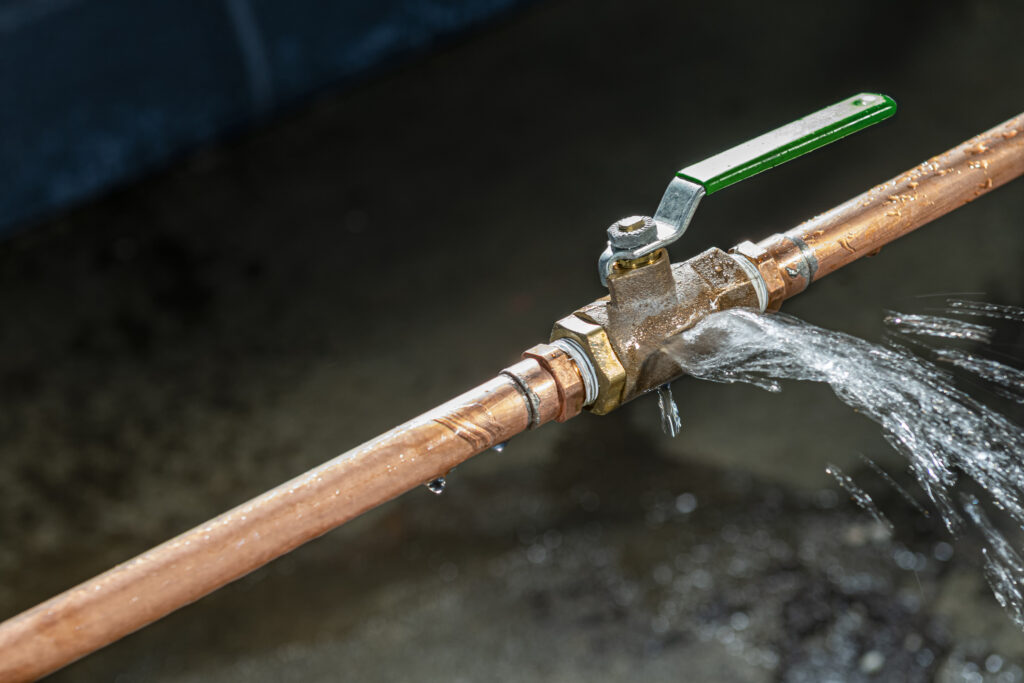
Real-world example: Imagine a clean supply pipe bursts upstairs. Initially, that’s Category 1, but if the water continues to flow through dirty building materials or remains untreated, its contamination category changes.
Pro Tip: Don’t assume water is safe just because it’s clear or doesn’t have an odor. Appearance alone doesn’t establish a contamination category.
Sewage Water Damage Cleanup — What the Process Involves
Professional sewage water damage cleanup involves a lot more than simply removing standing water and spraying disinfectant. The goal is total decontamination, thoroughly drying all affected structures, and restoring your home to safe conditions.
Safety Gear and Containment
Restoration technicians assess the contamination, identify potential electrical hazards, and establish containment where necessary. Depending on the conditions, they may use personal protective equipment (PPE) including:
- Protective suits
- Chemical-resistant gloves
- Boots
- Maks
- Appropriate respiratory protection
Water Extraction and Material Removal
During water damage restoration, industrial extraction equipment is used to remove standing water. Technicians will then evaluate affected materials.
Carpet padding, saturated insulation, and contaminated drywall often need to be removed because they’re porous and absorb moisture, making thorough cleaning difficult. Nonporous materials, like certain tile surfaces, can be salvaged with proper cleaning and disinfection.
Disinfection, Drying, and Air Quality Testing
After removing contaminated materials, technicians will clean and disinfect salvageable surfaces using the appropriate products and procedures.
Commercial dehumidifiers and air movers are brought in to effectively dry the structure once contamination has been addressed. Moisture meters measure and verify drying progress.
Note: Additional environmental testing is sometimes recommended when sewage is involved, but routine air testing isn’t necessary for every sewage water damage cleanup.
Pro Tip: Never mix bleach with ammonia or other cleaning products. These combinations can create dangerous fumes, turning an already unpleasant cleanup into a chemical catastrophe.
Why Sewage Cleanup Should Not Be a DIY Job
A wet/dry vacuum and environmentally friendly disinfectant might be good for an ordinary household mess. But a sewage backup? Not so much.
DIY sewage cleanup creates four main problems:
- Direct exposure: Contaminated water can enter through cuts, splashes, or accidental hand-to-mouth contact.
- Hidden contamination: Sewage can penetrate wall cavities, flooring, and insulation.
- Incomplete drying: Trapped moisture can encourage mold growth and structural deterioration.
- Cross-contamination: Improper equipment use can spread contaminants into previously unaffected areas.
If sewage enters your home, stay away from the affected area. Stop using plumbing fixtures connected to the backup, and shut off the water only if you can do so safely without entering contaminated water.
Pro Tip: Never attempt to operate electrical equipment or enter standing water near outlets or appliances. Wait until all electrical hazards have been assessed by an expert.
Does Insurance Cover Sewage Water Damage?
Here’s some potentially expensive news: Standard homeowners insurance often excludes damage caused by sewer backups.
However, coverage may be available through a separate water backup endorsement. Sewage backups often require additional insurance protection beyond basic property coverage, and coverage generally depends on:
- The cause of the backup
- Policy exclusions
- Endorsements
- Coverage limits
To protect yourself financially, take clear pictures or videos of visible damage from a safe location, contact your insurer promptly, and retain restoration invoices and documentation.
Most importantly: Don’t delay necessary emergency mitigation while waiting for a coverage decision.
Dealing with a sewage backup? A1 Restoration provides 24/7 emergency water damage restoration services, including contaminated water extraction, cleanup, drying, and restoration. When sewage turns your home upside down, our team is ready to help you take control of the situation.
Contact us today for emergency assistance that gets your property on the fast track to recovery.