Emergency disaster cleanup isn’t exactly a one-size-fits-all operation. Basement flooding and kitchen smoke damage both look like expensive headaches, but restoring each requires very different approaches.
For water damage restoration, the focus is on removing moisture, drying damaged materials, and preventing mold growth. For fire damage restoration, the priorities are removing soot, eliminating smoke odor, and evaluating materials exposed to extreme heat.
And when firefighters use water to extinguish a blaze? Congratulations, your house may need two restoration projects.
Understanding how fire damage cleanup and water damage cleanup differ helps you know what to expect, why specialized equipment is needed, and when professional restoration is necessary.
What Fire Damage Cleanup Involves
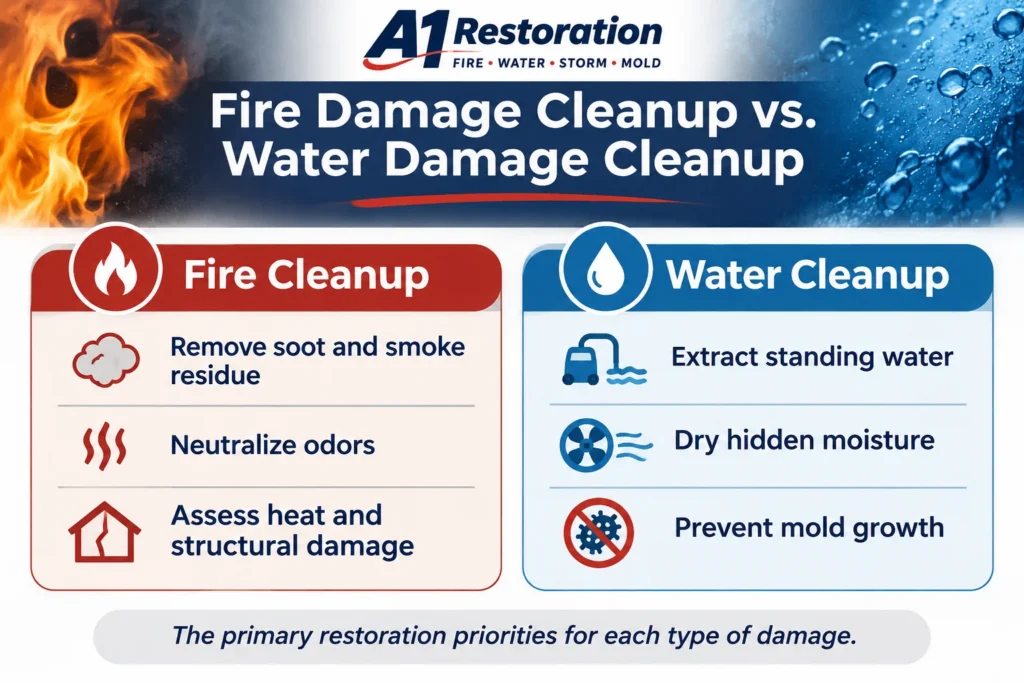
Fire damage cleanup involves:
- Removing soot and smoke residue
- Neutralizing odors
- Assessing structural damage
- Restoring or replacing affected materials
Unlike water damage cleanup, which mainly targets moisture, fire restoration deals with everything from heat damage and corrosive residues to contamination that might spread beyond the burned area.
Here’s what that process typically looks like.
Soot and Smoke Removal
Smoke travels far, and even a relatively small kitchen fire can leave soot inside cabinets, ventilation systems, and rooms that were never touched by flames.
Professional restoration teams can identify different types of residue before choosing the best cleaning methods. Because dry soot, oily residues, and protein-based smoke deposits don’t respond to treatments the same way.
Pro Tip: Avoid wiping soot-covered walls with a wet rag. You’ll only smear the residue or drive it deeper into porous surfaces. Leave extensive soot cleanup to professionals who use the right cleaning methods.
Odor Neutralization
That lingering campfire smell isn’t so charming when it’s coming from your living room. Smoke particles can penetrate drywall, insulation, upholstery, and other porous materials.
Professional odor removal involves:
- HEPA-filtered air cleaning
- Specialized cleaning agents
- Targeted deodorization treatments
Trying to mask the underlying problem with a little air freshener is like spraying cologne on a skunk.
Structural Char Assessment
Fire can compromise framing, flooring, and other structural components, even when the damage isn’t obvious. Restoration professionals will inspect burned materials and work with qualified structural specialists when necessary to determine what can be safely restored and what needs to be removed.
Pro Tip: Never enter a fire-damaged building until authorities have confirmed that it’s safe. The American Red Cross’ home fire recovery guidance emphasizes taking precautions before returning to a damaged property.
What Water Damage Cleanup Involves
Water damage cleanup follows a different playbook. Instead of tackling smoke residue and charred materials, technicians concentrate on:
- Moisture removal
- Controlled drying
- Preventing additional deterioration
Water Extraction
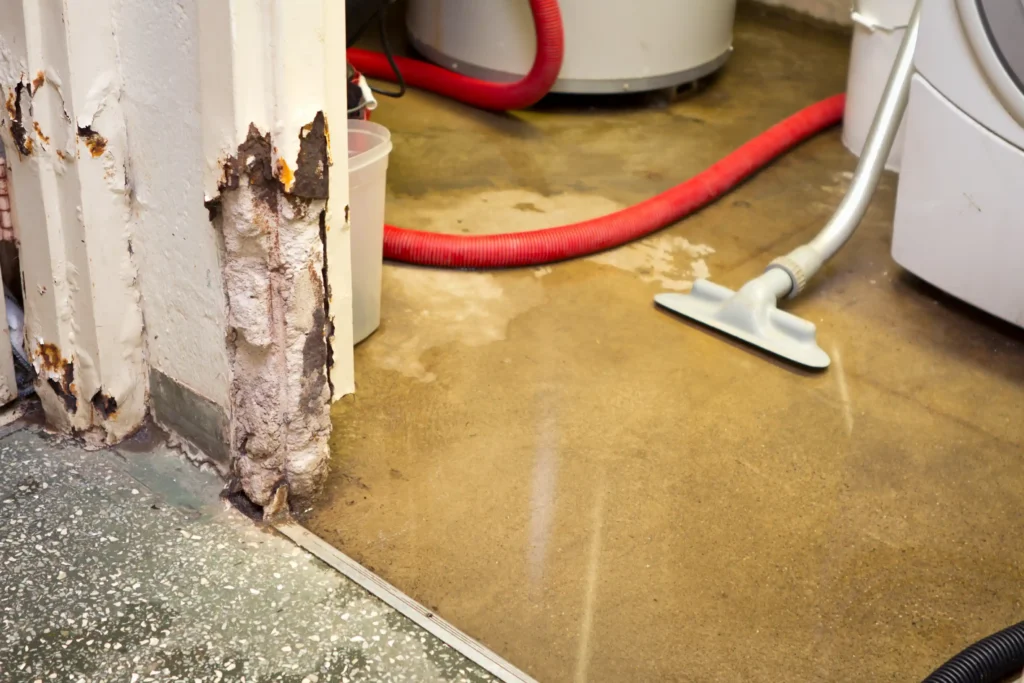
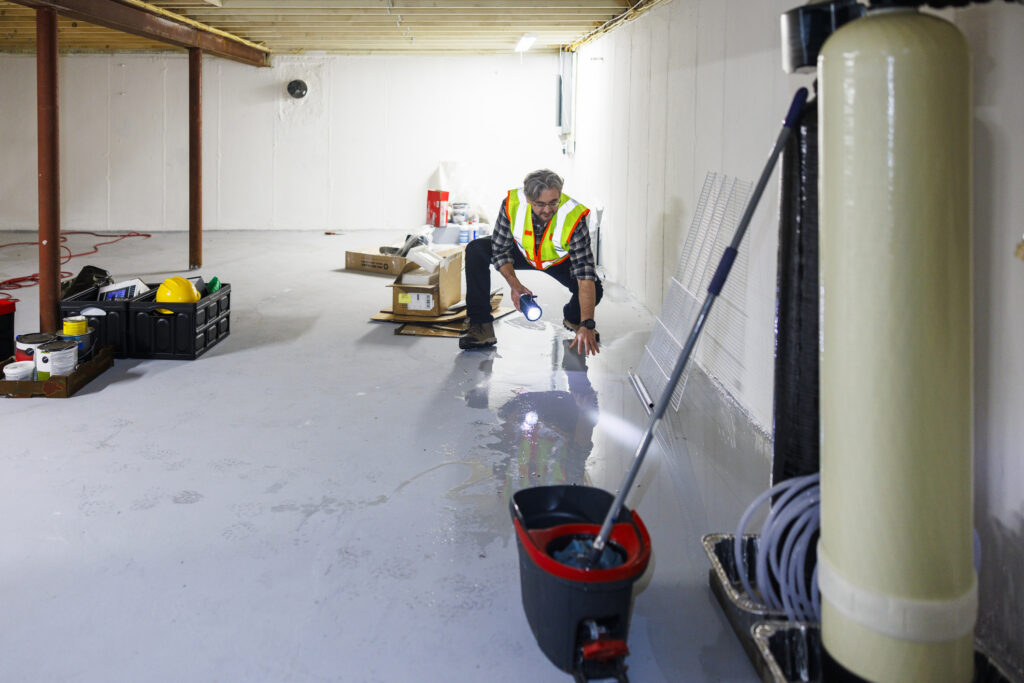
The top priority is removing all standing water using professional pumps, extraction equipment, and wet vacuums that are made for restoration work. The faster the water is removed, the less likely it is to spread into flooring, walls, and structural cavities.
But the water you can see is only part of the problem. Moisture can get trapped under floors and behind baseboards long after everything looks dry.
Drying and Dehumidification
Professional drying requires a lot more than just opening windows and hoping for sunshine. Restoration teams strategically place commercial air movers, dehumidifiers, and moisture meters to optimize drying conditions and monitor progress.
Pro Tip: Just because your floor feels dry doesn’t mean it actually is. Moisture readings help determine whether materials have reached drying targets.
Mold Prevention
Mold is one of the biggest problems that comes with water damage, particularly when moisture remains trapped in porous materials. Drying water-damaged areas and materials within two days helps prevent mold growth.
Contaminated materials will likely require removal rather than simple drying. Water from a sewage backup, for example, needs additional protective measures to ensure everything is cleaned or removed safely.
Key Differences Between Fire and Water Cleanup
The biggest differences between fire and water restoration come down to equipment, safety hazards, and total project costs.
Here’s a side-by-side comparison.
Equipment Used
Fire restoration relies on specialized cleaning and odor-removal equipment. Water restoration relies on extraction, airflow, humidity control, and moisture monitoring. Both may make use of containment barriers, HEPA filtration, and protective equipment.
Health Hazards Involved
A structure damaged by fire may contain hazardous soot, combustion byproducts, and compromised structural materials. A structure damaged by water can present electrical hazards, sewage contamination, and mold exposure. Neither scenario is ideal for a weekend DIY project, especially when contamination or structural damage is involved.
Cost Differences
When it comes to a fire damage cleanup vs water damage cleanup cost comparison, there’s really no universal winner. Minor clean-water damage may be a relatively straightforward cleanup project, while serious flooding can require demolition and reconstruction.
Similarly, a small fire might need localized cleaning, while widespread smoke contamination can affect the whole property. The extent of damage, affected materials, and required repairs are more influential on costs than the disaster category.
When a Property Needs Both Fire and Water Cleanup
Does fire damage always involve water damage? The short answer is no, but it’s common when firefighters use hoses or sprinkler systems to put out a fire.
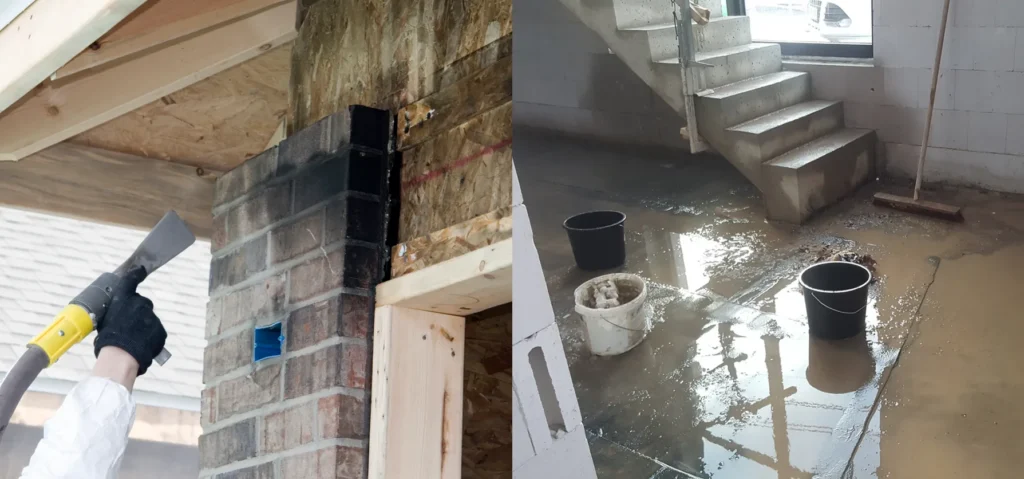
Imagine a small kitchen fire that reaches the ceiling. Firefighters are able to stop the blaze, but the water needed to control the blaze soaks through flooring, insulation, and connected rooms. Now restoration requires two coordinated approaches:
- Removing smoke contamination
- Drying water-damaged materials
The order matters, too. Technicians have to address safety hazards, remove standing water, assess damaged materials, and coordinate drying with soot cleanup.
Pro Tip: After a fire, when your property is deemed safe to enter, take clear pictures or video of both burned areas and water-damaged rooms before cleanup begins. Separate documentation helps your insurance adjuster understand the full scope of loss.
Why You Need a Company Experienced in Both Fire and Water Damage
Fire and water restoration require different strategies, but successful recovery depends on understanding where fire and water damage overlap. A restoration company experienced in both can:
- Identify hidden moisture
- Evaluate smoke contamination
- Coordinate necessary repairs
- Prevent one cleanup process from complicating another
These things are particularly important when the clock is ticking and every hour after damage counts.
A1 Restoration provides 24/7 emergency fire, water, storm, and mold damage restoration services. Whether you’re dealing with a flooded basement, smoke-damaged rooms, or the aftermath of a major house fire, our team is ready to help assess the damage and develop an appropriate restoration plan.
Contact A1 Restoration anytime for professional emergency cleanup and restoration. Because after a disaster, the last thing you need is another problem hiding behind the drywall.