
24/7, day or night Greater Philadelphia
Mold Remediation in Philadelphia, PA
A musty cellar, a sewer backup, or a flat roof leaking down the party wall can grow mold in a Philly home where nobody looks. A1 Restoration removes mold from Philly rowhouses and fixes the drain, river damp, or party-wall leak that fed it.
Free inspectionCall 24/7Tap to call · Free inspection(267) 219-9342Ring our Philly number at any hour and you get a person, not a machine. We can be at your door within 40 minutes.
Free inspections and estimates
 IICRC Certified Firm

“…did a great job drying out our basement after a water leak, I would highly recommend their service!”“…I would highly recommend their service!”









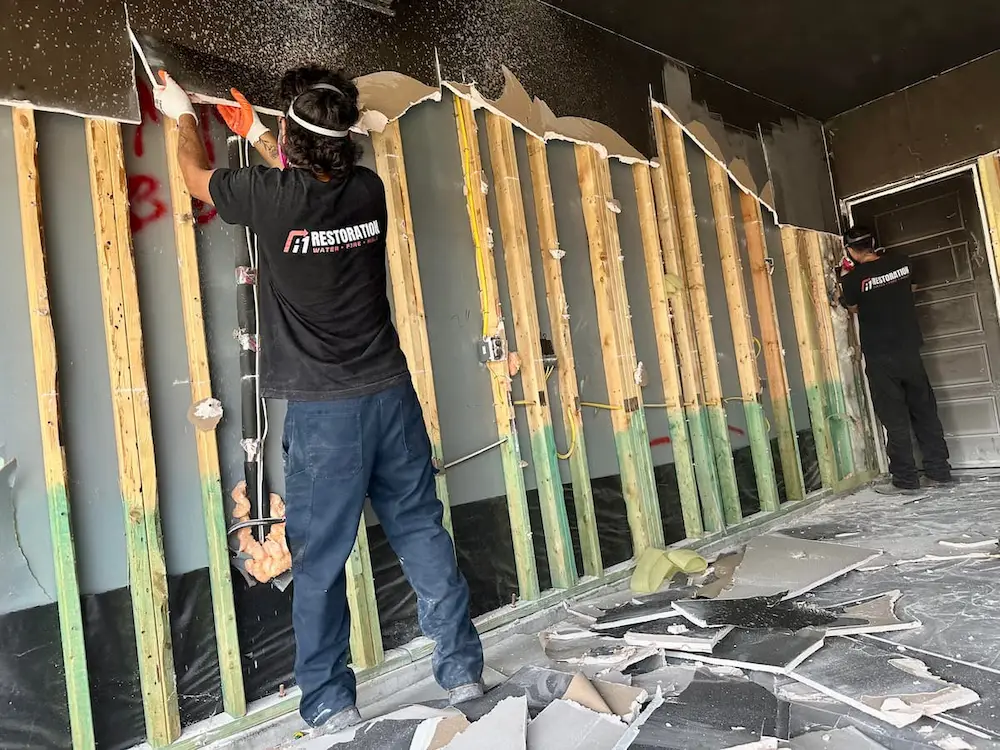
Why speed matters
Why Mold Keeps Spreading Once It Starts
Mold needs only moisture, not standing water. In a rowhouse cellar or a party wall, mold can grow for weeks with no smell upstairs.
Wiping off what you can see doesn't solve it. A drain that backs up, a foundation that seeps, or a neighbor's leak will regrow it unless it's fixed.
Sticky Philly summers plus old rowhouses with cellars and shared walls give mold every chance once water isn't dried quickly. The city's history with Schuylkill River flooding, including the 2021 Hurricane Ida event, has also left many Manayunk-area properties with a hard lesson in how fast mold spreads after water intrusion. We work across Philadelphia, Phoenixville, King of Prussia, and the rest of the region.
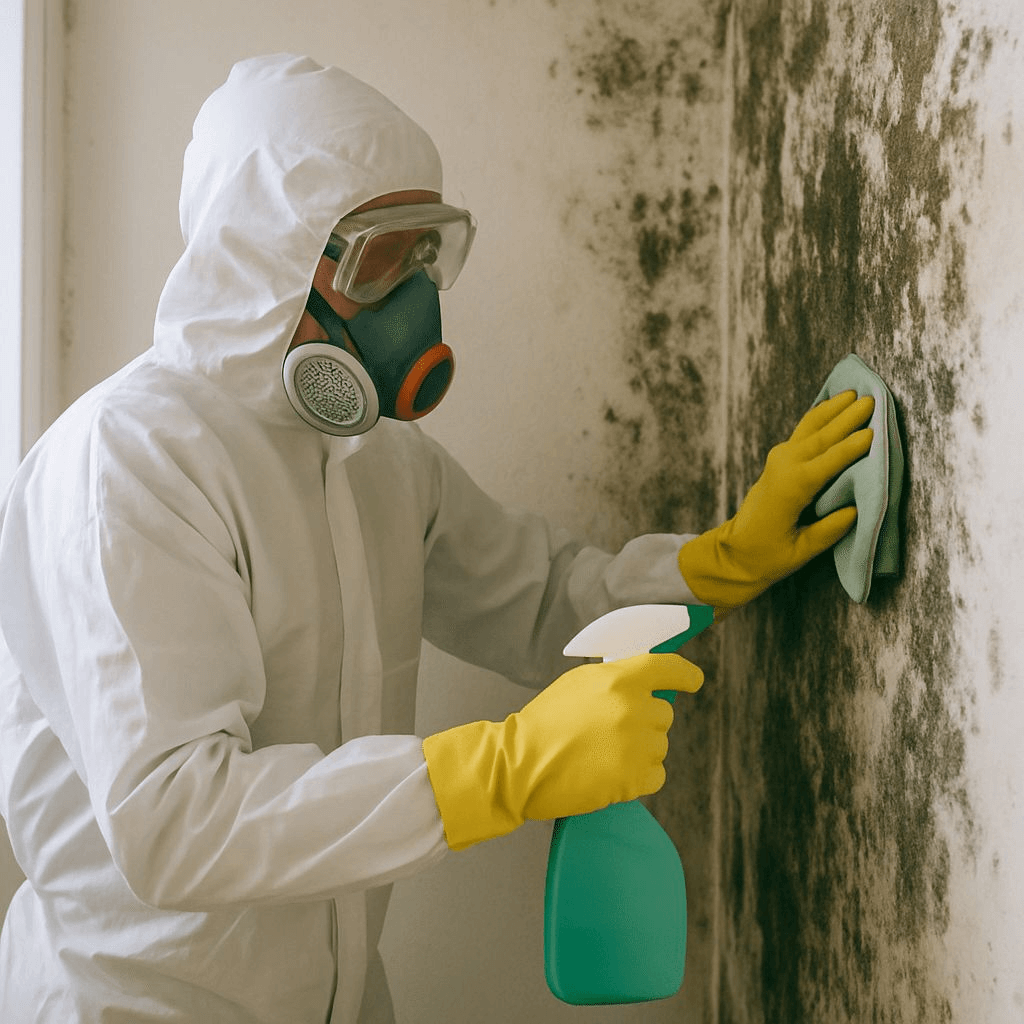
What a mold remediation job involves
What the job includes
Find the moisture, contain the room, cut out the growth, dry it, rebuild.
How long it takes
A bathroom corner is short; an entire rowhouse basement takes longer. A passing air test means we're finished. Plaster or drywall work adds a few days.
What shapes the estimate
How big the area is, what it's on, and the repairs. No work starts until you've okayed the number.
Your first visit
Before any work, you get a free on-site look and a price in writing.
Call 24/7, day or night(267) 219-9342
Right after you find it
First Steps After Finding Mold in Philadelphia
Mold in the cellar is no reason to pack a suitcase. These steps keep it from spreading until we show up.
Not sure what to do first? Call (267) 219-9342 and we will talk you through it. You can call us and your insurance company in either order.
What to do
Close off the room
Keep the cellar door shut.
Photograph everything
Get a few photos for the claim and leave it be.
Call your insurance company
Open a claim with your insurer and hang on to the claim number.
What not to do
Skip the bleach
Scrubbing kicks spores into the air.
Leave the HVAC off for now
Forced air can blow spores up through every register.
Do not paint over it
Painting over mold just covers it up.
Common mold damage
Where Mold Grows in Philadelphia Homes
Philly mold shows up most in cellars, inside shared walls, and under leaky flat roofs.
Basements near the Schuylkill and the Delaware
Cellars on low blocks in Manayunk and along the Delaware stay damp long after high water.
Crawl spaces under additions
Back additions over crawl spaces trap damp air against the framing.
Attic and roof-deck condensation
Warm air reaching the cold underside of a flat roof in winter can wet the roof deck.
Shared party walls in rowhouses
A leak in the house next door can soak the party wall and grow mold on your side.
Mold after a leak
A small leak inside a plaster wall can keep the lath wet for weeks.
More about water damage restorationMold after a storm
Nor'easter rain that got into the plaster can stay damp long after the roofer leaves.
More about storm damageBathroom and kitchen mold
Older baths with no exhaust fan let steam soak the plaster every day.
What we do
How We Remove Mold and Stop It From Returning
Before any mold comes out of a Philly rowhome, we track down the water feeding it, often a basement drain that backs up when PWD's sewers overflow, a neighbor's leak running down the shared brick, or a rubber roof seam that let rain in for months.
Thin poly walls and a negative-air unit vented out a rear window keep spores from riding the narrow stair up to the bedrooms.
Drywall, carpet, and fiberglass the growth rooted into are carried out the front door, and the joists and studs behind them are sanded and sealed.
Dehumidifiers handle the muggy Delaware Valley summer, and the space has to pass an air sample before we close anything up.
Why where the mold started matters
| Where the mold started | What it usually means | How we handle it |
|---|---|---|
A Manayunk basement after the Schuylkill rose | Mildew on fieldstone and on stored furniture | Contaminated items go, and the stone is scrubbed, sanitized, and dried. |
A rowhome basement that took sewage in a storm | Black spotting behind the drywall weeks later | We pull the drywall, bag the moldy material, and dry the masonry behind it. |
The brick wall shared with a leaking neighbor | Musty plaster on your side of the party wall | Our crew opens your side, removes the growth, and notes the neighbor's leak for both carriers. |
A crawl space under a back addition | Fuzzy growth on joists over bare dirt | The joists are treated, and a vapor barrier is recommended for the soil. |
A third-floor ceiling under an aging rubber roof | Brown rings and spotting from slow leaks | After the roof is patched, the ceiling plaster is treated or replaced. |
What can be saved
What We Can Save From Mold Damage
Brick, stone, and joists in a Philadelphia rowhome usually clean up after mold, while finished-basement drywall and carpet usually do not. An air sample settles the rest.
- Usually saved
- Depends on how far it reached
- Usually replaced
Fieldstone and brick basement walls
Usually savedMasonry is scrubbed and sanitized once the water source is stopped.
Rowhome floor joists
Usually savedSanded and sealed where they sit, then tested again.
Plaster on the shared brick wall
Depends on how far it reachedA few spots can be cleaned, while plaster wet to the brick is replaced.
Basement drywall in a converted rec room
Usually replacedBoard with growth behind it is cut out.
Holiday boxes and old furniture downstairs
Depends on how far it reachedPlastic and metal usually clean up, while cardboard and cushions rarely do.
Fiberglass under the flat roof
Usually replacedInsulation with growth in it is pulled and replaced.
More than mold
More Restoration Services From Our Philadelphia Team
Every Philly mold job starts by finding the water.
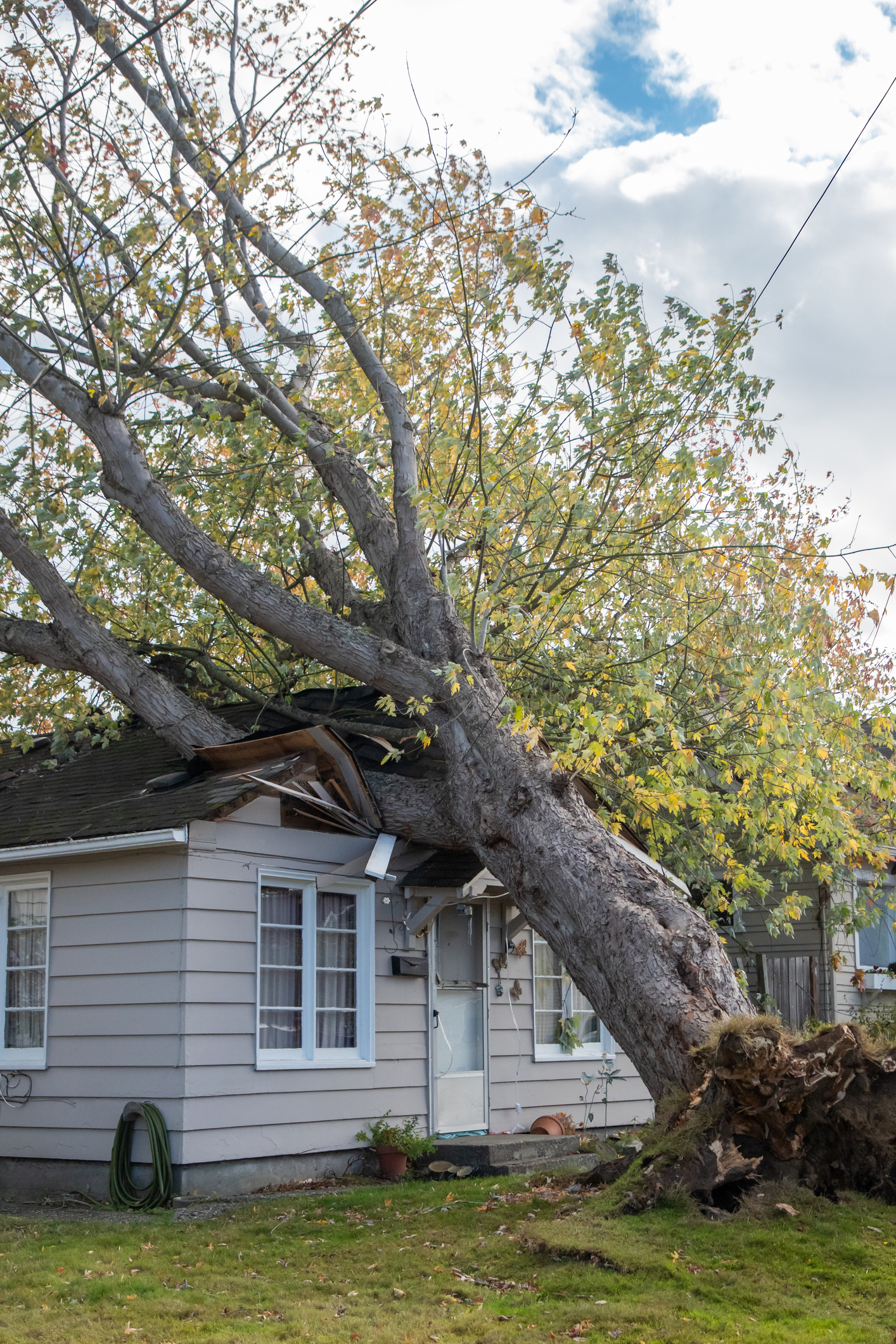
Storm damage
Flat-roof leaks after a nor'easter let water into the plaster, and mold follows. We cover the roof and fix the inside.
More about storm damage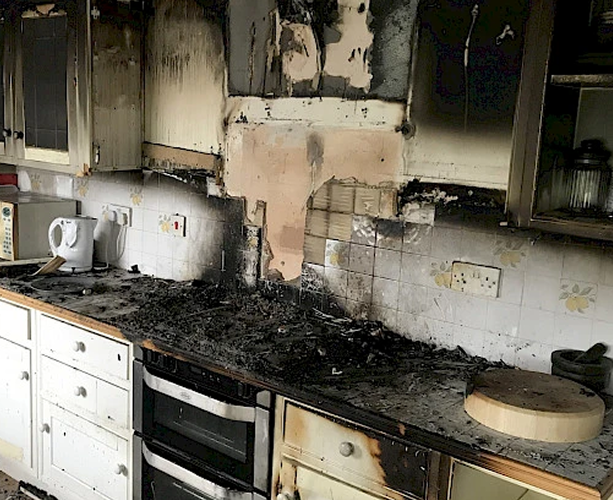
Fire and smoke damage
Hose water soaks plaster and basements, and mold grows if they stay wet. We clean, dry, and rebuild.
More about fire damage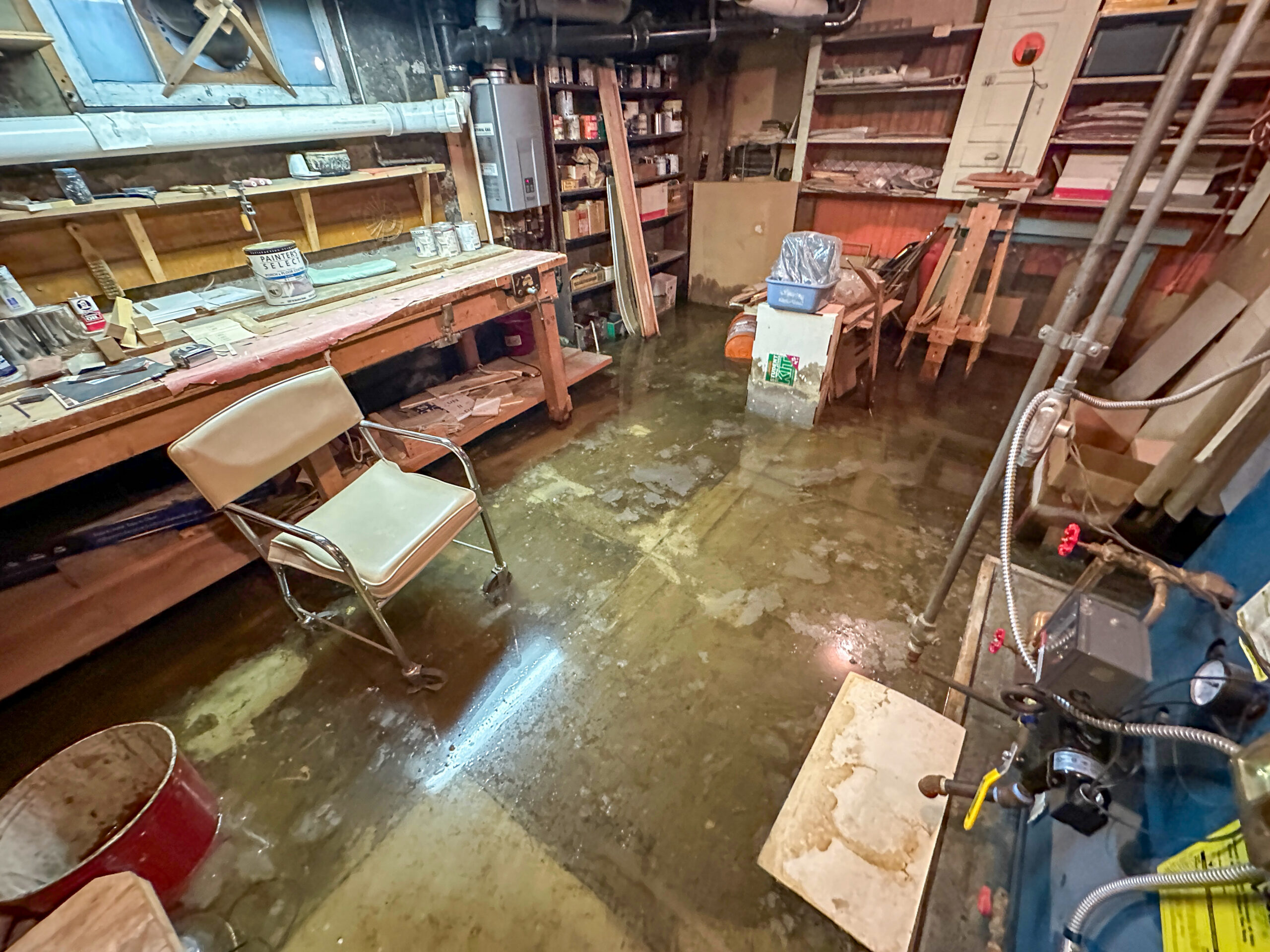
Water damage
A flooded rowhouse basement turns into a mold problem fast. The cellar is pumped out and the joists dried.
More about water damage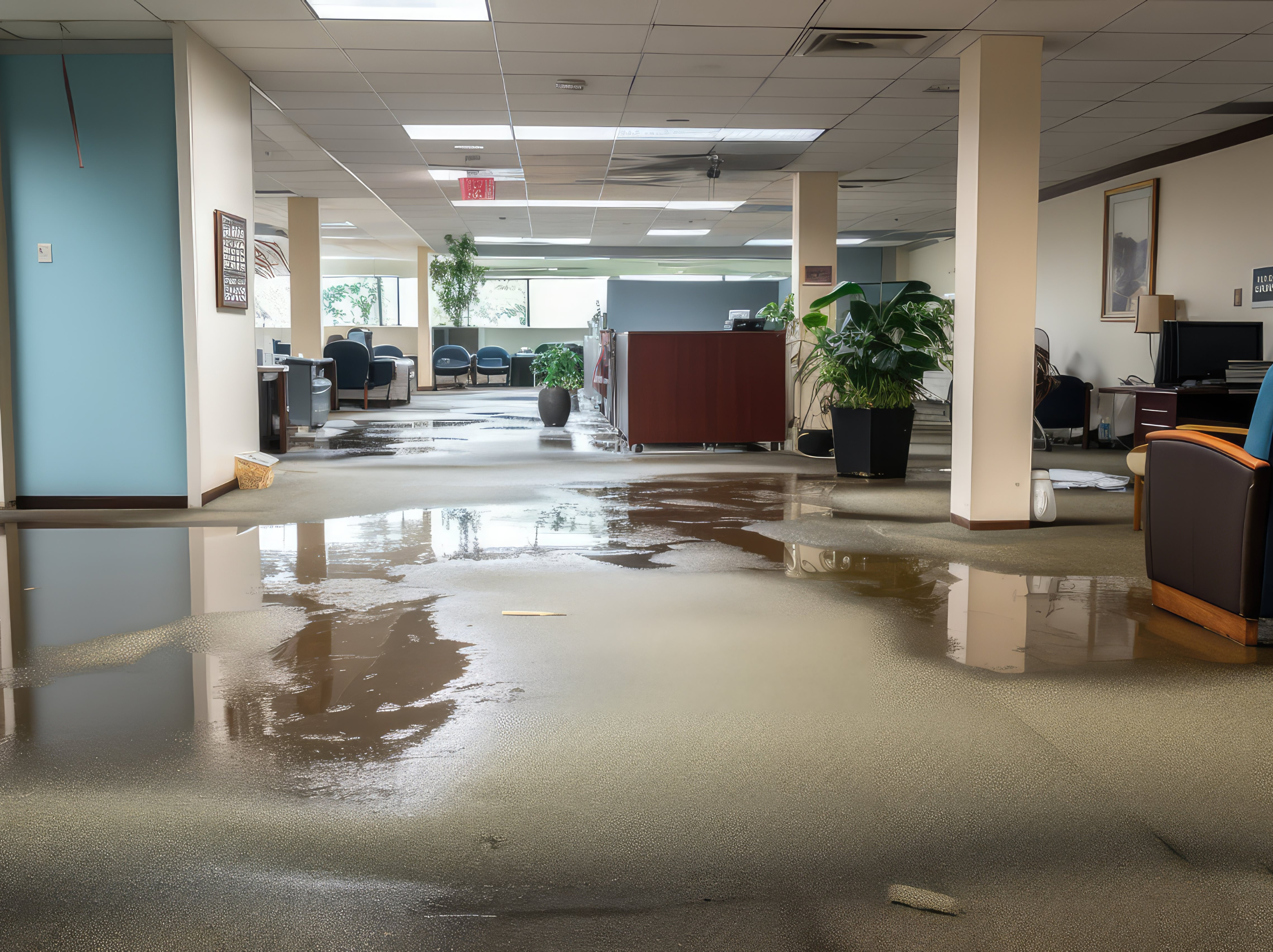
Commercial restoration
In a mixed-use rowhouse, the apartment's damp can grow mold in the shop below. We work around your hours.
More about commercial restoration
Reconstruction
After testing passes, we put back the plaster, walls, and floors that came out.
Ask about repairsCan't tell what kind of damage this is?
Describe it to our Philly crew and we'll tell you which service fits.
Call 24/7, day or night(267) 219-9342
Step by step
Our Mold Remediation Process in Philadelphia
How a Philadelphia job runs, first call to final walk-through.
You call, and we contain the area
Call (267) 219-9342 any hour. Poly sheeting and a HEPA machine on negative pressure keep spores from escaping.
We inspect and document
We locate the source, usually a backed-up drain, a damp foundation, or the neighbor's leak, and photograph the mold.
We remove it and dry
Moldy drywall, paneling, and insulation are bagged out, joists are cleaned, and dehumidifiers dry the cellar.
We rebuild and test
After the air test passes, walls and floors are rebuilt.
Smell something musty but can't see mold?
That usually means moisture somewhere nearby. Ring our Philly office for tips on where it usually hides.
Insurance and claims
How Insurance Handles Mold Damage in Philadelphia
Pennsylvania policies usually pay for mold only when it grew out of a covered event. Mold from a backup may hinge on whether you carry backup coverage. Coverage depends on your policy.

What your adjuster will want
- The date growth appeared and the water you believe caused it
- Photos of the basement, the shared wall, and every room with growth
- Any plumber, roofer, or PWD records tied to the leak or backup
- Bills for dehumidifiers or temporary fixes
What we send them
- Photos taken inside each sealed area
- A floor-by-floor list of where we found growth
- A Philly estimate itemizing removal and rebuild work
- A note for both carriers when the source was a neighbor's house
Where Our Philadelphia Team Works
We serve Philadelphia and nearby communities, including those listed below.
Up to 45 miles around Philadelphia
Not sure if you're in range? Call (267) 219-9342 and ask.
Including
- Philadelphia, PA
- Phoenixville, PA
- Philadelphia Metropolitan Area
Nearby locations
Looking for a Different Location?
On the wrong page, or is another location closer to you? Here are our nearest locations.
Newark, NJ
View mold remediation servicesProvidence, RI
View mold remediation servicesRaleigh, NC
View mold remediation services
How fast can you get to me?
We can be at your door within 40 minutes. Call (267) 219-9342 and give us your address.
Does a Pennsylvania homeowners policy cover mold removal?
Only when a covered event, like a burst pipe, caused it.
Is mold in my Philadelphia rowhouse basement dangerous?
It can make the air in the whole house worse, so it's worth dealing with. Rowhouse basements often stay damp after a leak or backup, so the wet materials need removing and the space drying.
Did Ida's flooding leave mold in Manayunk properties?
Plenty of Manayunk buildings had to strip drywall, insulation, and floors to get ahead of it. Anything that flooded needs to be dried all the way through, not just wiped down.
Can a dehumidifier get rid of mold?
It slows new growth, but mold that's already there has to be cut out.
Will mold come back after removal?
Only if the water keeps coming. Not if the water stops; we fix the drain, seepage, or leak at the same time.
Do you remove mold in Philly apartment buildings and offices?
Yes. Managers get our report first, then we handle the removal and repairs.
What will mold removal run in Philadelphia?
Square footage, materials, and repairs drive the number. Fill out the form below for a written number; we'll copy your adjuster if you'd like.
Can we stay home during mold removal?
Usually, if the work is down in the basement. A big containment upstairs may mean a few nights away.
Day or night
Found Mold in Your Philadelphia Home?
Call (267) 219-9342, 24/7, day or night. We can be at your door within 40 minutes.
Call 24/7, day or night(267) 219-9342Or ask for a free inspection online
Put in your name and number and a Philly project manager will call you back.
Need help now? Call (267) 219-9342