
24/7, day or night Greater Raleigh
Mold Remediation in Raleigh, NC
Mold in a Raleigh house usually starts somewhere you can't see: the joists over a damp crawl space, the wall where tropical rain got in, or a closet during a sticky July. A1 Restoration handles mold remediation in Raleigh, starting under the house where crawl space damp usually feeds it.
Free inspectionCall 24/7Tap to call · Free inspection(919) 944-4529Whether you're in Five Points or Brier Creek, a real person answers our Raleigh phone at any hour. We can be at your door within 40 minutes.
Free inspections and estimates
 IICRC Certified Firm

“…was knowledgeable and paid attention to detail. I would highly recommend!”“…was knowledgeable and paid attention to detail.”










Why speed matters
Why Mold Keeps Spreading Once It Starts
Mold needs only moisture, not standing water. Below the floor or behind drywall, mold in Raleigh homes often grows for weeks unseen.
Clearing the growth is only part of the job. Unless the damp crawl space, limb-damaged roof, or leaking AC line gets fixed, it grows back.
Muggy Raleigh summers and slow-draining red clay keep crawl spaces damp for months at a time. Add a slow leak and mold gets a head start. We work across Raleigh, Durham, Cary, and the rest of the Triangle.
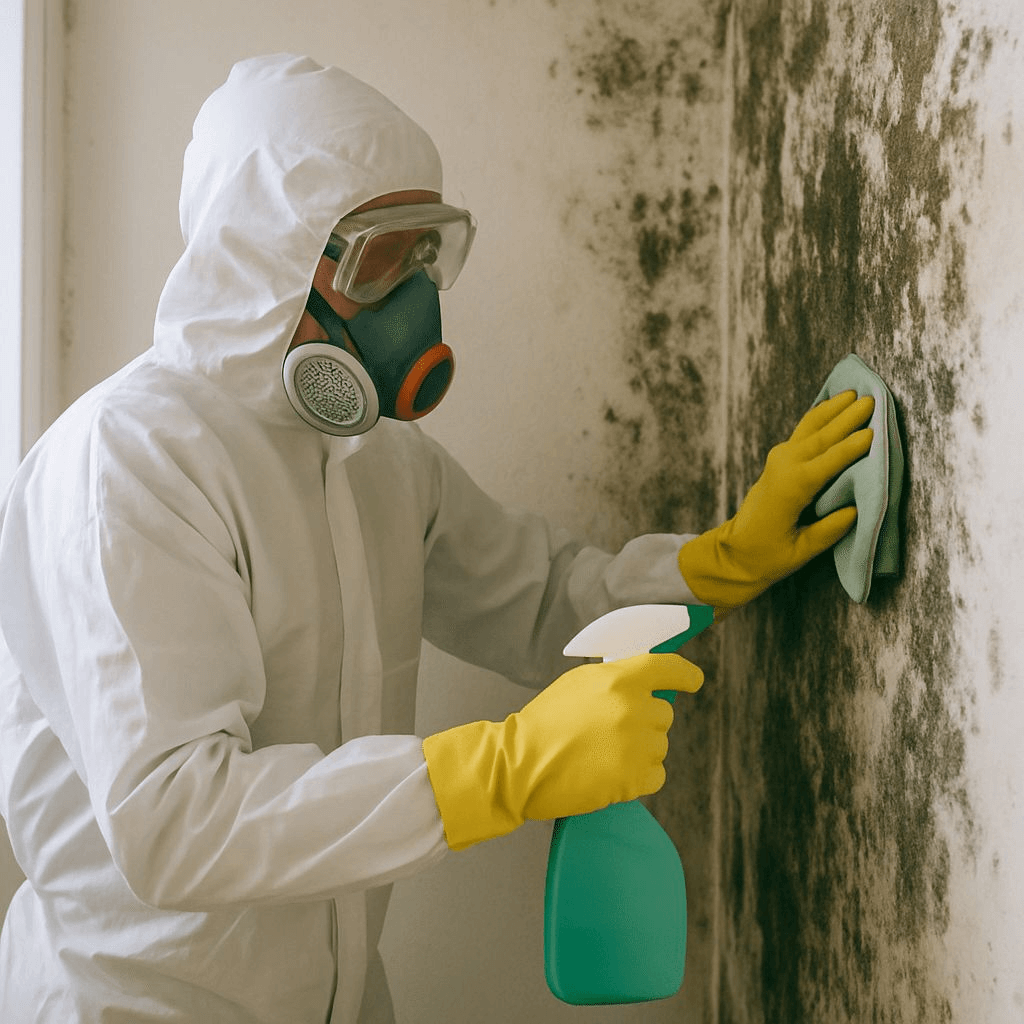
What a mold remediation job involves
What the job includes
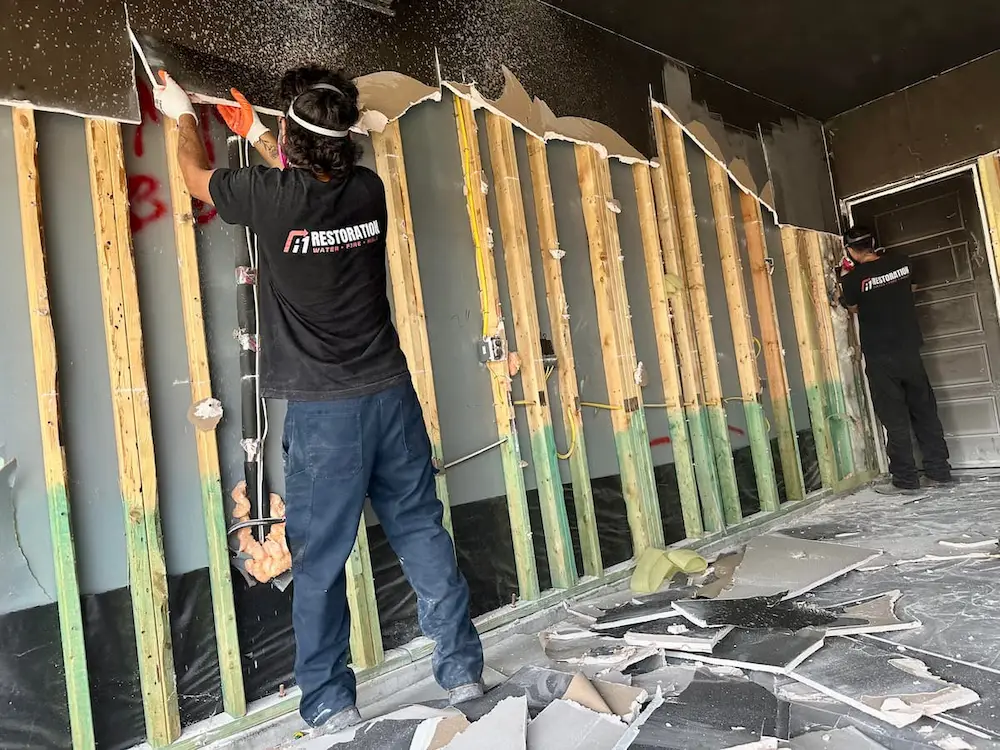
Find the water, tent the area, cut out the growth, dry it, and rebuild.
How long it takes
One closet is quick; a whole crawl space under a Raleigh ranch takes longer. A clearance test means we are finished. Rebuilding subfloor or drywall adds days.
What shapes the estimate
Area, materials, and repairs. You approve the price before anything begins.
Your first visit
In the Triangle, every job begins with a no-cost visit and a written estimate.
Call 24/7, day or night(919) 944-4529
Right after you find it
First Steps After Finding Mold in Raleigh
A moldy closet is no reason to pack a bag. Use these steps to hold it where it is.
Not sure what to do first? Call (919) 944-4529 and we will talk you through it. You can call us and your insurance company in either order.
What to do
Close off the room
Shut that room's door to slow the spread.
Photograph everything
Document it with your phone, then don't touch it.
Call your insurance company
Open the claim with your carrier and keep that claim number in your phone.
What not to do
No bleach
Wiping or spraying it releases spores into the house.
Pause the heat pump
The air handler can carry spores to every room in the house.
Do not paint over it
Paint covers mold without stopping it.
Common mold damage
Where Mold Grows in Raleigh Homes
Look under the house first: Raleigh mold mostly turns up in crawl spaces, then in attics after a roof leak, then wherever a slow leak meets summer humidity.
Crawl spaces
Most Raleigh homes sit over crawl spaces, and humid air plus clay soil keep them damp for months.
Crawl space humidity
Humid summer air coming in through foundation vents beads up on the cooler joists and ducts.
Attic condensation
AC ducts in a hot attic sweat onto insulation and drywall.
Lower levels in clay soil
Homes with basements or walk-out levels take on seepage through red clay after heavy rain.
Mold after a leak
A slow supply-line leak under a bathroom sink soaks the cabinet base and wall behind it.
More about water damage restorationMold after a storm
Rain that got in through a tree-damaged roof can leave walls and attics damp.
More about storm damageBathroom and kitchen mold
A weak bath fan leaves shower steam on the ceiling every day.
What we do
How We Remove Mold and Stop It From Returning
Mold in a Raleigh home almost always traces to water under it: a vented crawl space that never dries out in a Triangle summer, a lower level dug into clay, or a leak behind a cabinet. That water is stopped before removal starts.
Poly sheeting and a filtered exhaust fan keep spores from rising through the floor registers into bedrooms.
Anything porous the growth rooted into is bagged out, and the joists, sills, and studs left behind are sanded and sealed.
Dehumidifiers bring the crawl space and the rooms down, and an air sample must pass before anything is rebuilt.
Why where the mold started matters
| Where the mold started | What it usually means | How we handle it |
|---|---|---|
A vented crawl space in a humid summer | White and black growth across joists and subfloor | Joists are treated, wet batts pulled, and crawl space encapsulation discussed. |
A walk-out lower level cut into Piedmont clay | Green and black spots on the back wall that faces the hill | Moldy finishes come out, and we show you where the clay pushes water against the wall. |
Frost on the roof deck after a cold January | Dark speckling on the attic sheathing | The sheathing is treated, and we suggest venting changes. |
A slow drip behind the dishwasher | A musty kitchen with nothing visible | The cabinet back is opened where the meter spikes and the growth is removed. |
Rain driven into walls by a hurricane remnant | Growth inside exterior walls weeks later | We follow the wet path from the leak and remove what grew along it. |
What can be saved
What We Can Save From Mold Damage
Masonry piers and solid lumber in the crawlspace usually come back after cleaning, but fiberglass and sheetrock that mold has rooted in get replaced. An air sample confirms the rest.
- Usually saved
- Depends on how far it reached
- Usually replaced
Brick and block piers
Usually savedMasonry is scrubbed once the space under the house is drier.
Sills and floor joists
Usually savedSanded and sealed in place, then retested.
Plaster in a Five Points or Oakwood house
Depends on how far it reachedSpotting on the paint can be cleaned off, and plaster soaked through to the wood lath is rebuilt.
Drywall in a newer Wake County build
Depends on how far it reachedA faint film can be treated, and board with growth inside is cut out.
Holiday boxes and tools stored in the crawl space
Depends on how far it reachedPlastic bins and steel tools wipe clean, but boxes and cloth stored down there are usually thrown out.
Batts stapled between the floor joists
Usually replacedInsulation with growth is bagged and replaced.
More than mold
More Restoration Services From Our Raleigh Team
Every Raleigh mold job starts by finding the water.
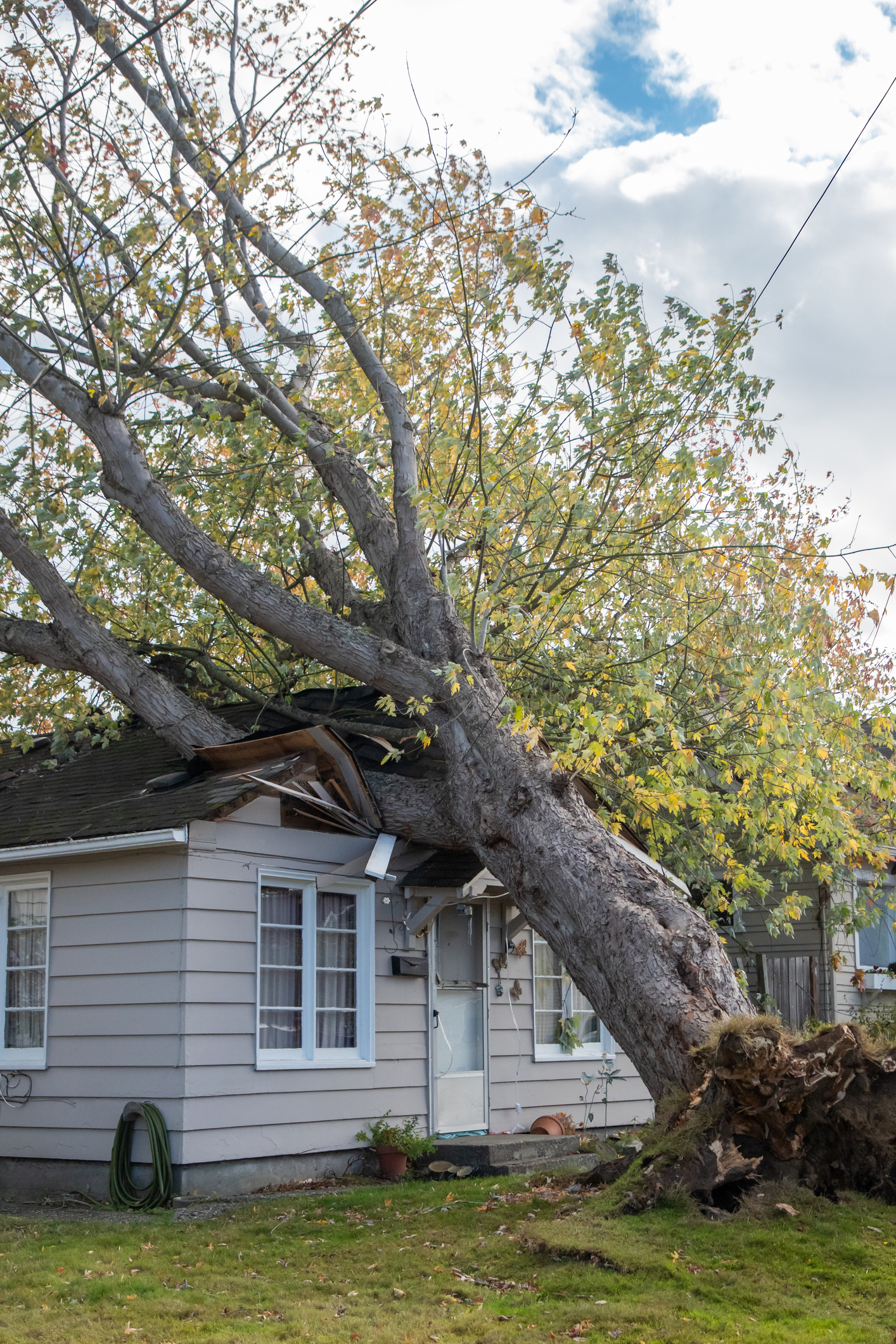
Storm damage
When a limb punches the roof, rain soaks the attic and mold moves in. The roof gets tarped and the rooms below rebuilt.
More about storm damage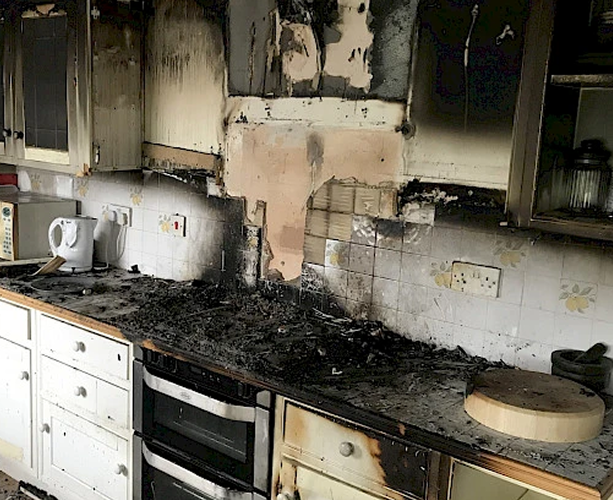
Fire and smoke damage
Fire hose water left in walls or the crawl space grows mold if nobody dries it. Everything is cleaned, dried, and rebuilt.
More about fire damage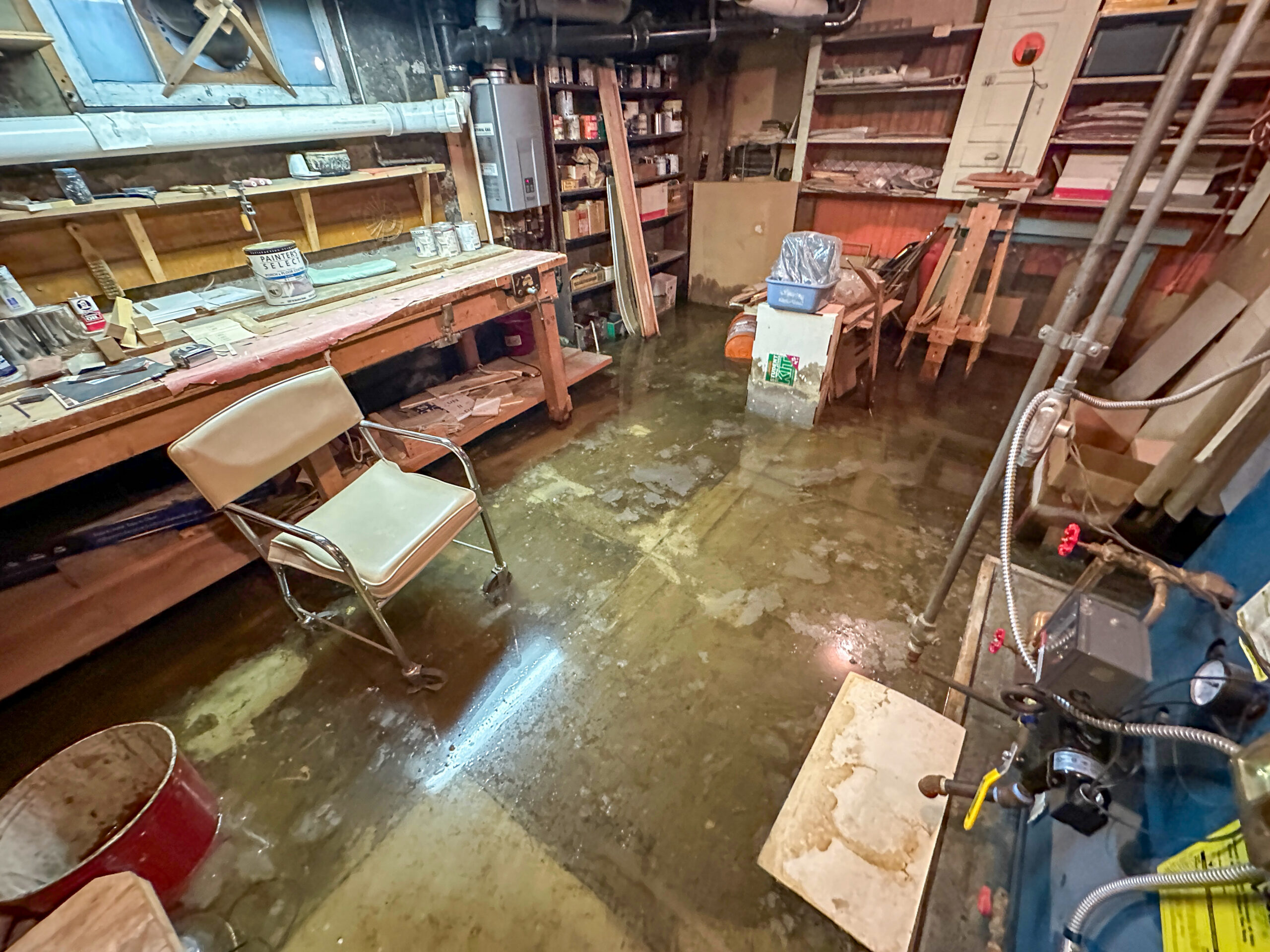
Water damage
A flooded crawl space turns into mold quickly. It gets pumped out and the joists dried.
More about water damage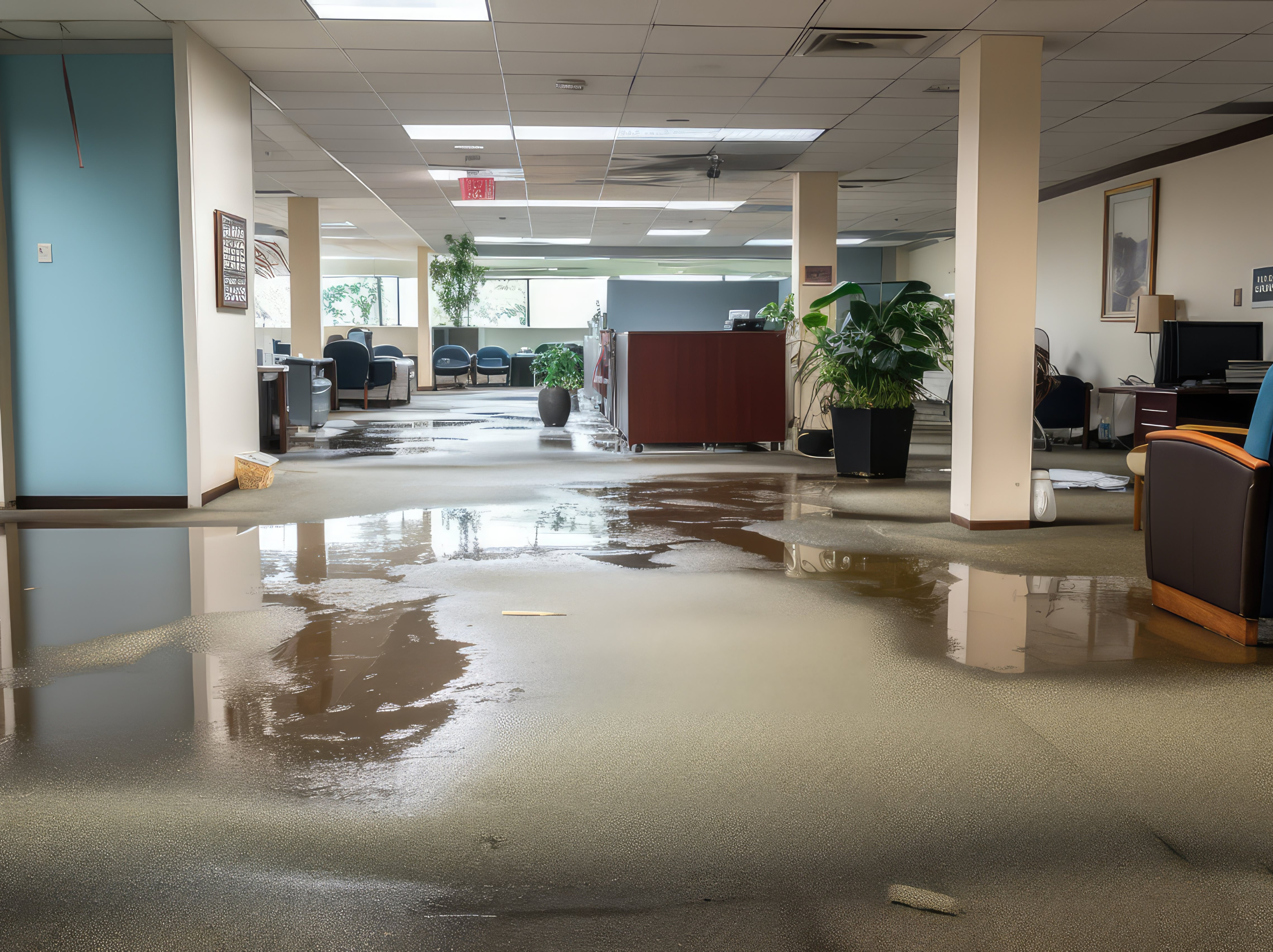
Commercial restoration
In shared buildings, one tenant's damp wall can grow mold in the next suite. We work around your hours.
More about commercial restoration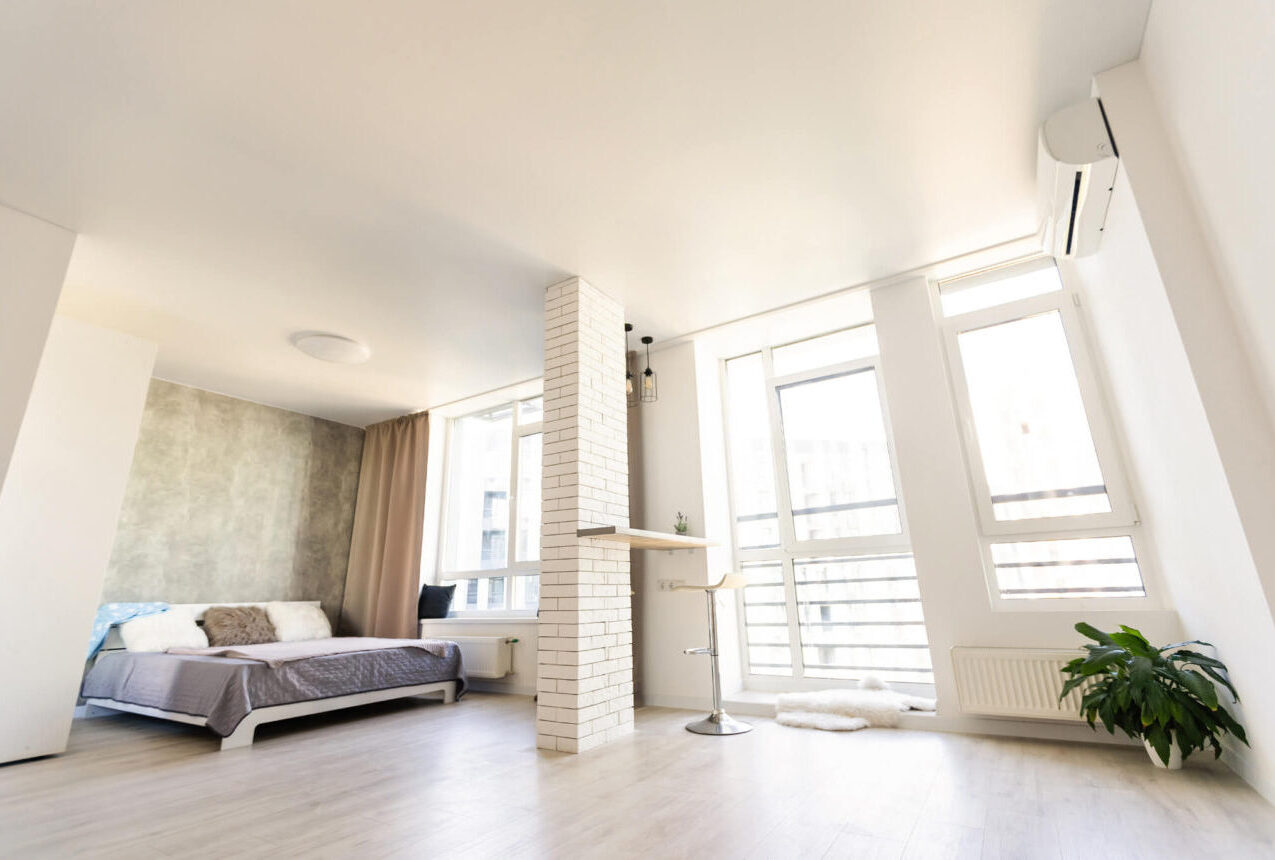
Reconstruction
Once clearance passes, the removed walls, subfloor, and trim go back in.
Ask about repairsCan't tell what kind of damage you're dealing with?
Text a photo to our Raleigh team and we'll tell you which service it falls under.
Call 24/7, day or night(919) 944-4529
Step by step
Our Mold Remediation Process in Raleigh
Four stages on every Raleigh job.
You call, and we contain it
Dial (919) 944-4529 at any hour. We hang plastic and run filtered negative air so spores can't drift into the rest of the house.
We inspect and document
We find the moisture, usually the crawl space, a roof leak from a fallen limb, or an AC line, and photograph the growth.
We take out mold and dry
Contaminated insulation and board come out, joists are cleaned, and dehumidifiers run until the numbers drop.
We restore and run a clearance test
After a clean air test, the removed sections are rebuilt.
Smell something musty but can't see mold?
That usually means moisture somewhere nearby. Our Triangle team can walk you through the spots to check.
Insurance and claims
How Insurance Handles Mold Damage in Raleigh
In North Carolina, mold is generally covered only as part of a covered water loss, such as a sudden pipe failure. Years of crawl space damp generally isn't covered. Coverage depends on your policy.

What your adjuster will want
- When you first noticed the musty smell or spots, and what leak you suspect
- Photos from under the house and of each room with mold
- Plumber, roofer, or storm records tied to the water
- Bills for dehumidifiers or quick fixes
What we send them
- Photos inside each sealed work zone in the crawl space or rooms
- A room-by-room list of where growth turned up
- A Wake County estimate listing mold removal and rebuild work
- A short written finding on the moisture source, since flood and plumbing claims are handled differently
Where Our Raleigh Team Works
We serve Raleigh and communities across the Triangle, including those listed below.
Up to 45 miles around Raleigh
Not sure if you're in range? Call (919) 944-4529 and ask.
Including
- Durham
- Cary
- Chapel Hill
- Wake Forest
- Apex
- Garner
- Holly Springs
- Knightdale
- Wendell
- Fuquay-Varina
- Morrisville
- Clayton
Nearby locations
Looking for a Different Location?
On the wrong page, or is another location closer to you? Here are our nearest locations.
Charlotte, NC
View mold remediation servicesCharleston, SC
View mold remediation servicesPhiladelphia, PA
View mold remediation services
How fast can you get to me?
We can be at your door within 40 minutes. Call (919) 944-4529 and give us your address.
Does a North Carolina homeowners policy cover mold removal?
Coverage is limited and needs a covered water loss behind it. Ongoing crawl space moisture usually falls outside coverage.
Why do so many Raleigh crawl spaces get mold?
Older Raleigh homes often have little crawl space venting, and humid air plus wet clay keeps the area under them damp through the summer. That constant damp is what feeds mold on the joists.
Can hurricane rain leave hidden mold in a Raleigh home?
Yes. Wind-driven rain from a hurricane can get past flashing and windows and soak into the wall, where it stays wet long after the storm. Check walls under windows after a big storm.
Can a dehumidifier get rid of mold by itself?
No. It lowers humidity, but existing growth has to be removed.
Will mold come back after removal?
Not if the moisture is fixed. Not if the source is fixed; we deal with the crawl space, leak, or venting too.
Do you remove mold in Raleigh apartment complexes and offices?
Yes. Property managers receive our written findings before removal and repairs begin.
What does mold removal run in Raleigh?
That comes down to the area, materials, and repairs. The short form at the bottom gets you an estimate in writing, and we can send your adjuster a copy.
Can we stay home during removal?
Usually, when the crew is working under the house. If containment reaches the bedrooms, plan on a few nights away.
Day or night
Found Mold in Your Raleigh Home?
Call (919) 944-4529, 24/7, day or night. We can be at your door within 40 minutes.
Call 24/7, day or night(919) 944-4529Or ask for a free inspection online
Type in your name and number and someone from our Raleigh office will call back.
Need help now? Call (919) 944-4529