
24/7, day or night Greater Newark
Mold Remediation in Newark, NJ
Mold in a Newark home often starts somewhere hidden: a cellar after a sewer backup, or a party wall wet from the neighbor's leak. A1 Restoration removes mold from Newark homes and fixes the floor drain, river damp, or shared-wall leak behind it.
Free inspectionCall 24/7Tap to call · Free inspection(862) 415-0506Call our Brick City office at 2 a.m. or 2 p.m. and a person answers. We can be at your door within 40 minutes.
Free inspections and estimates
 IICRC Certified Firm

“Exceptional work! Very responsive and was able to resolve my issue! I would highly recommend!”“Exceptional work! Very responsive and was able to resolve my issue!”









Why speed matters
Why Mold Keeps Spreading Once It Starts
Mold needs only moisture, not standing water. In a Newark basement or behind a shared rowhouse wall, damp can feed mold for weeks without an odor.
Cleaning off visible mold is only part of the job. A sewer backup, a seeping foundation, or a leak next door will bring it back unless fixed.
Newark's humid summers and dense, century-old housing stock, much of it with basements near the Passaic River floodplain, give mold plenty of opportunity to take hold once a leak or flood is not dried fast. A building's history with storm surge flooding, like during Hurricane Sandy, can also leave lingering moisture in spaces that were never fully dried out. We work across Newark, Jersey City, Elizabeth, and the rest of Essex County.
What a mold remediation job involves
What the job includes
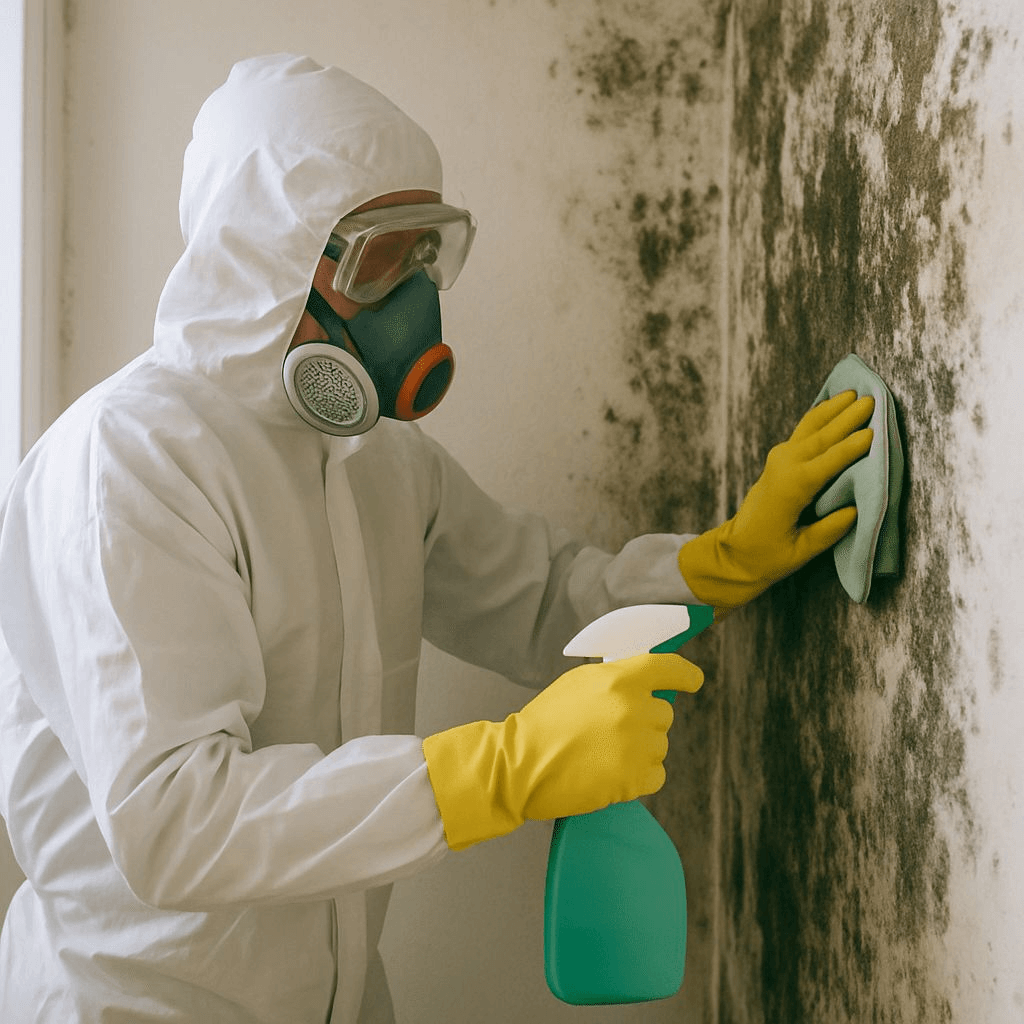
Locating the moisture source, setting up containment, removing affected materials, drying, and restoring.
How long it takes
A bathroom corner is a short job; an entire basement is a longer one. An air test confirms the job is complete. Plaster patching adds a few days.
What shapes the estimate
Affected area, materials, and the repairs after. You okay the price before we begin.
Your first visit
A no-charge site visit and a written estimate start every job.
Call 24/7, day or night(862) 415-0506
Right after you find it
First Steps After Finding Mold in Newark
Mold in the basement doesn't mean you have to move out. These steps hold it where it is.
Not sure what to do first? Call (862) 415-0506 and we will talk you through it. You can call us and your insurance company in either order.
What to do
Close off the room
Shut the cellar door or the door to the affected room.
Photograph everything
Snap a few photos, then leave it be.
Call your insurance company
Open the claim with your carrier and write the number down somewhere safe.
What not to do
No bleach
Scrubbing throws spores into the air.
Leave the boiler fan or HVAC off
Moving air can spread spores to every room.
Do not paint over it
Paint over mold hides it but doesn't stop it.
Common mold damage
Where Mold Grows in Newark Homes
Newark mold usually grows in basements, behind shared rowhouse walls, and in attics after a roof leak.
Basements near the Passaic River
Basements in low blocks near the river stay damp after high water and heavy rain.
Crawl space humidity
Damp air under additions and porches keeps the framing wet.
Attic condensation
On January nights, warm house air that leaks into the attic beads up on the cold roof boards.
Shared walls in rowhouses
A leak in the home next door can wet a shared wall and grow mold on your side.
Mold after a leak
A pinhole leak in a plaster wall keeps the lath wet for weeks.
More about water damage restorationMold after a storm
Rain driven in by a nor'easter can leave walls and attics damp after the roof is fixed.
More about storm damageBathroom and kitchen mold
Older baths without exhaust fans let steam settle on plaster every day.
What we do
How We Remove Mold and Stop It From Returning
Newark mold nearly always starts in the cellar after a sewer backup, surge, or sump failure, or along a party wall where a neighbor's leak ran, so we find and stop that water first.
Poly sheeting seals off the cellar or room, and a HEPA unit vents the air outside so spores stay out of the upstairs flats.
Moldy knotty-pine paneling, cellar carpet, and batts are hauled to the curb, and the joists behind them are treated.
Dehumidifiers dry the space, and an air test has to come back clean before anything is rebuilt.
Why where the mold started matters
| Where the mold started | What it usually means | How we handle it |
|---|---|---|
A cellar near the Passaic | Mold blooming on the stone walls and old trunks after river water | Removed, disinfected, and dried. |
A finished basement after a sewer backup | Mold behind paneling a few weeks later | We strip the paneling, haul out anything moldy, and dry the bare walls. |
A party wall shared with a leaking neighbor | Hidden growth along the shared wall | The wall is opened on your side, and we document the source for both owners. |
A top-floor ceiling under an old flat roof | Spotting from years of slow leaks | Treated after the roof is repaired. |
A rowhouse bathroom with no fan | Growth on the ceiling and window trim | The plaster and trim are treated, and we suggest a fan vented through the rear wall. |
What can be saved
What We Can Save From Mold Damage
In a Newark rowhouse or multi-family home, brick and block usually clean up after mold, while cellar finishes it grew into usually go. Air testing settles the rest.
- Usually saved
- Depends on how far it reached
- Usually replaced
Brick and stone foundation walls
Usually savedMasonry cleans up once the water source is stopped.
Cellar joists and sill plates
Usually savedTreated in place and retested.
Plaster along party walls
Depends on how far it reachedSurface spots can be cleaned. Plaster wet to the lath is replaced.
Cellar paneling and drywall
Usually replacedGrowth behind it means removal.
Belongings stored in the cellar
Depends on how far it reachedPlastic bins and metal clean up. Cardboard and upholstery rarely do.
Attic or cockloft insulation
Usually replacedBatts with growth are bagged out.
More than mold
More Restoration Services From Our Newark Team
Finding the moisture is the first step on any Newark mold job.
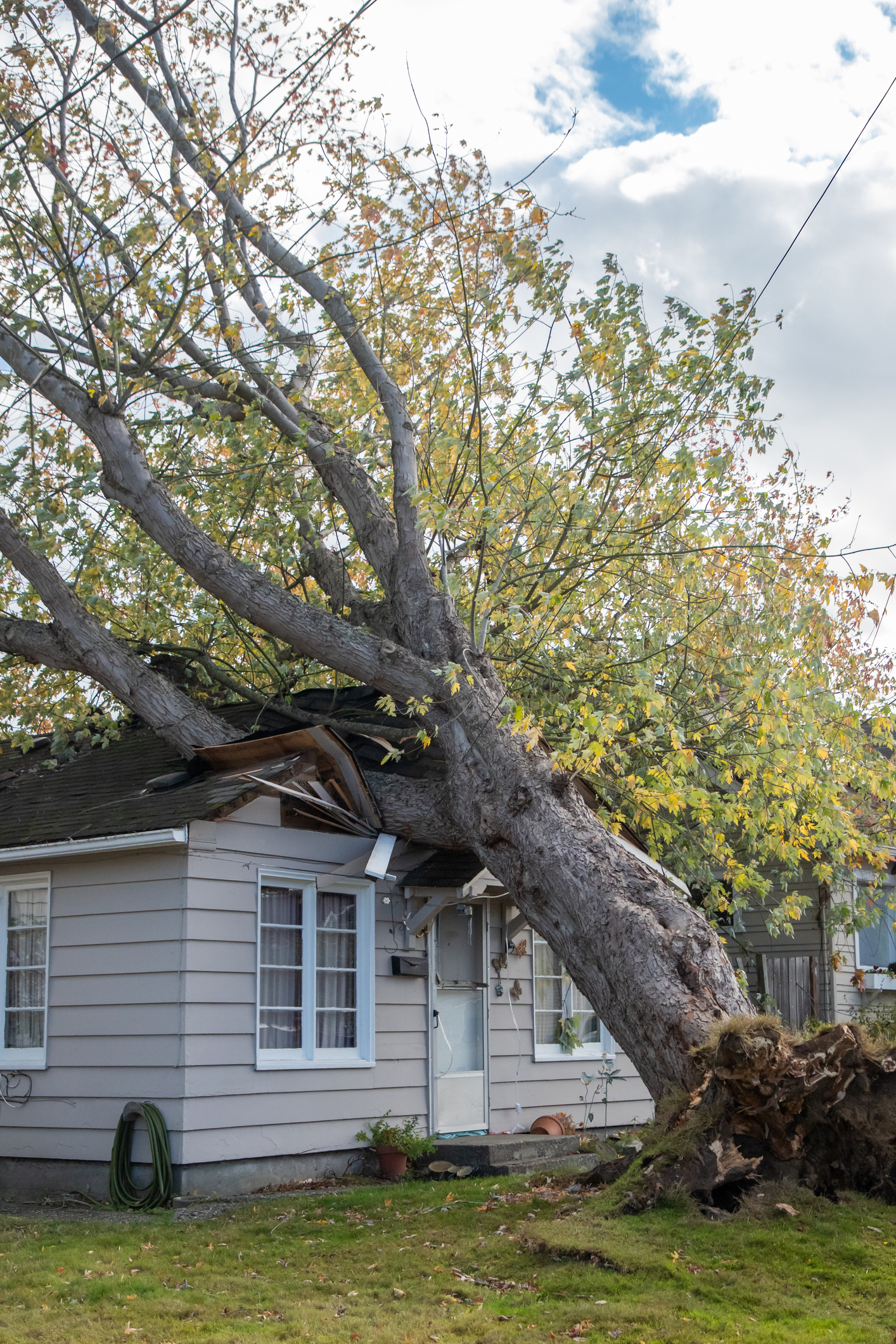
Storm damage
Nor'easter leaks let water into the attic and walls, and mold follows. We cover the roof and repair inside.
More about storm damage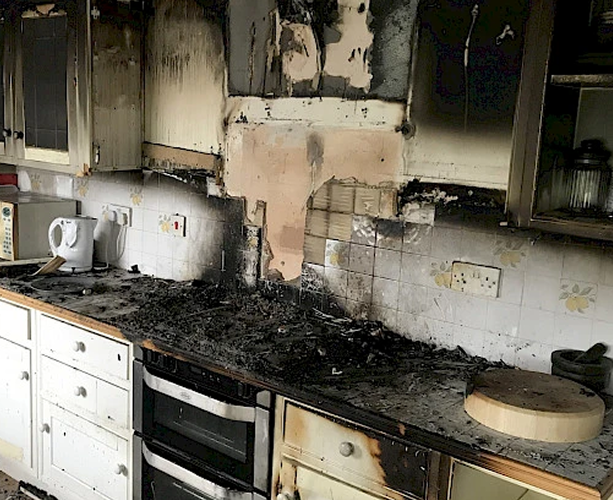
Fire and smoke damage
Hose water left in plaster or the cellar turns moldy if no one dries it. We clean, dry, and rebuild.
More about fire damage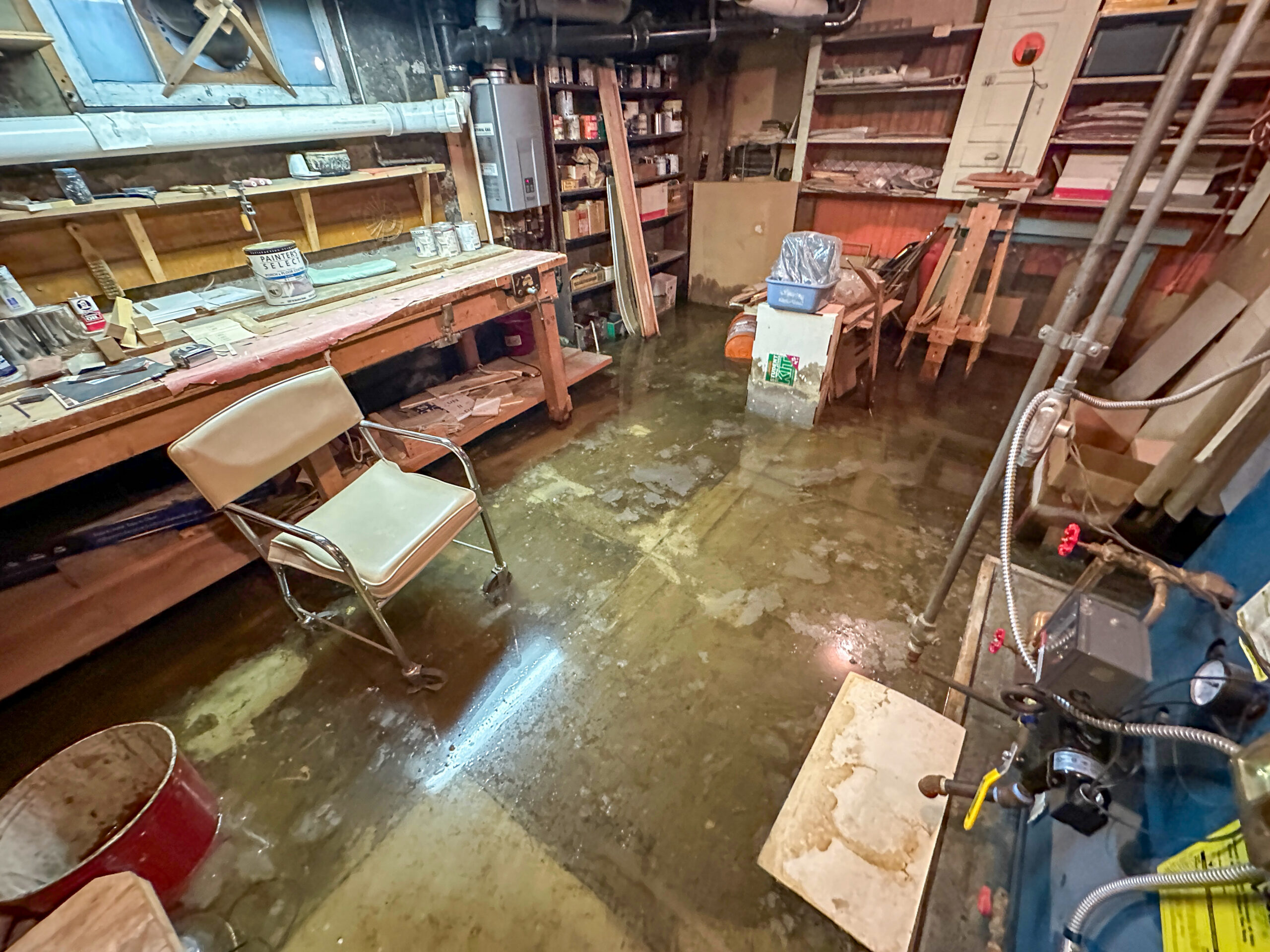
Water damage
A Newark basement full of water becomes a mold problem within days. We pump it out and dry the framing.
More about water damage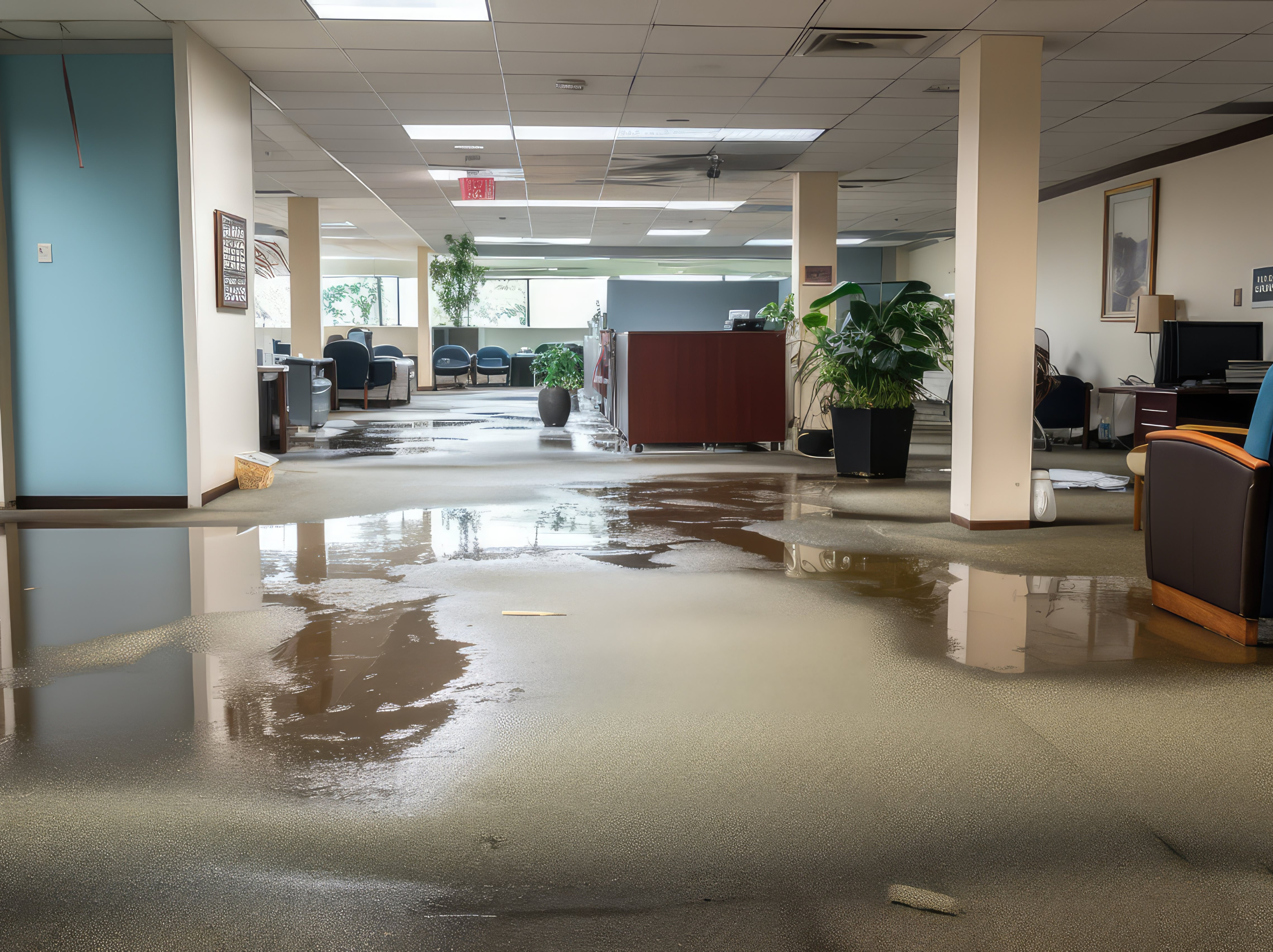
Commercial restoration
In mixed-use rowhouses, one unit's damp can grow mold in the next. We schedule around your hours.
More about commercial restoration
Reconstruction
After testing passes, we rebuild the walls, plaster, and floors that came out.
Ask about repairsNot sure what type of damage you have?
Text us a photo and we'll tell you which service you need.
Call 24/7, day or night(862) 415-0506
Step by step
Our Mold Remediation Process in Newark
Four stages on every Newark job.
You call, and we close it off
Dial (862) 415-0506 at any hour. Poly walls and a HEPA air machine keep spores from leaving the work area.
We inspect and document
We locate the water, often a sewer backup, river dampness, or a leak through a shared wall, and photograph the growth.
We remove and dry
Moldy materials are removed, framing is cleaned, and dehumidifiers bring readings down.
We restore and test
After a passing air test, walls and floors are rebuilt.
Smell something musty but can't see mold?
That usually means moisture somewhere nearby. Call our Newark office and we'll tell you where to look.
Insurance and claims
How Insurance Handles Mold Damage in Newark
New Jersey policies usually pay for mold only after a covered event, and often only up to a cap. Mold after a sewer backup may depend on that endorsement. Coverage depends on your policy.

What your adjuster will want
- When the mold appeared and what water likely caused it
- Pictures of the cellar, shared walls, and affected rooms
- Records of the backup, surge, or neighbor's leak behind it
- Bills for dehumidifiers or emergency fixes
What we send them
- Pictures inside each contained work zone
- A note of where the growth was found
- Line items for mold removal and putting the cellar back
- Notes for the adjuster when the source is a neighbor's unit
Where Our Newark Team Works
We serve Newark and communities across North Jersey, including those listed below.
Up to 45 miles around Newark
Not sure if you're in range? Call (862) 415-0506 and ask.
Including
- Wayne
- Edison
- Linden
- Rahway
- Summit
- Bayonne
- Passaic
- Garfield
- Metuchen
- Elizabeth
- Montclair
- Hackensack
- Plainfield
- Bridgewater
- Mahwah
- East Rutherford
- Englewood
- Woodbridge Township
Nearby locations
Looking for a Different Location?
On the wrong page, or is another location closer to you? Here are our nearest locations.
Philadelphia, PA
View mold remediation servicesProvidence, RI
View mold remediation servicesCleveland, OH
View mold remediation services
How fast can you get to me?
We can be at your door within 40 minutes. Call (862) 415-0506 and give us your address.
Does a New Jersey homeowners policy cover mold removal?
Coverage is limited and tied to a covered water loss.
Can a sewer backup leave mold in a Newark basement?
Yes. Sewage-soaked drywall, insulation, and flooring have to come out, and the space has to be dried and disinfected, or mold follows. Low-lying blocks near the Passaic River see this most after heavy rain.
Can mold spread through a shared wall in a Newark rowhouse?
It can. Moisture that gets into a party wall can affect framing and drywall on both sides, so we check the neighboring unit's side when access allows.
Will a dehumidifier remove mold?
No. Dehumidifiers manage humidity; established mold still has to be removed.
Can mold return after removal?
Only if the moisture continues. We fix the drain, seepage, or leak along with the growth.
Can you handle mold in Newark multifamily and commercial buildings?
Yes. Managers get our report first, and then we handle removal and repairs.
What does mold removal cost in Newark?
Square footage, materials, and repairs set the price. Request an estimate with the form below; your adjuster can receive a copy.
Can we stay home during removal?
Usually, when the work stays in the cellar. If containment reaches the living floors, plan on a few nights away.
Day or night
Found Mold in Your Newark Home?
Call (862) 415-0506, 24/7, day or night. We can be at your door within 40 minutes.
Call 24/7, day or night(862) 415-0506Or ask for a free inspection online
Enter your name and number and our Newark office will call you back.
Need help now? Call (862) 415-0506