
24/7, day or night Greater Chicago
Mold Remediation in Chicago, IL
A basement that smells like an old gym bag, gray dots creeping across the bath ceiling, or a damp odor after every storm all mean water is getting in. A1 Restoration handles mold remediation across Chicago and fixes the floor drain, crack, or window well feeding it.
Free inspectionCall 24/7Tap to call · Free inspection(773) 839-9204Ring us at 3 a.m. or on a holiday weekend and a real person in our Chicago shop answers. We can be at your door within 40 minutes.
Free inspections and estimates
 IICRC Certified Firm

“A1 Restoration did an amazing job handling the mold damage in my home. They were efficient, professional, and made the whole process much easier than I expected.”“A1 Restoration did an amazing job handling the mold damage in my home.”










Why speed matters
Why Mold Keeps Spreading Once It Starts
Mold needs only moisture, not standing water. Behind 1970s paneling or old lath, moisture can grow mold for weeks before you notice.
The visible growth is only part of what needs fixing. A cracked foundation, a sewer backup, or a damp window well brings it back unless it is repaired.
Chicago's repeated basement flooding, driven in large part by a combined sewer system that can back up during heavy rain, is one of the most common paths to mold in the city's older housing stock. Humid summers add to it, and bungalows and two-flats with below-grade space hold onto that moisture longer than newer construction. We work across Chicago and throughout Cook County.
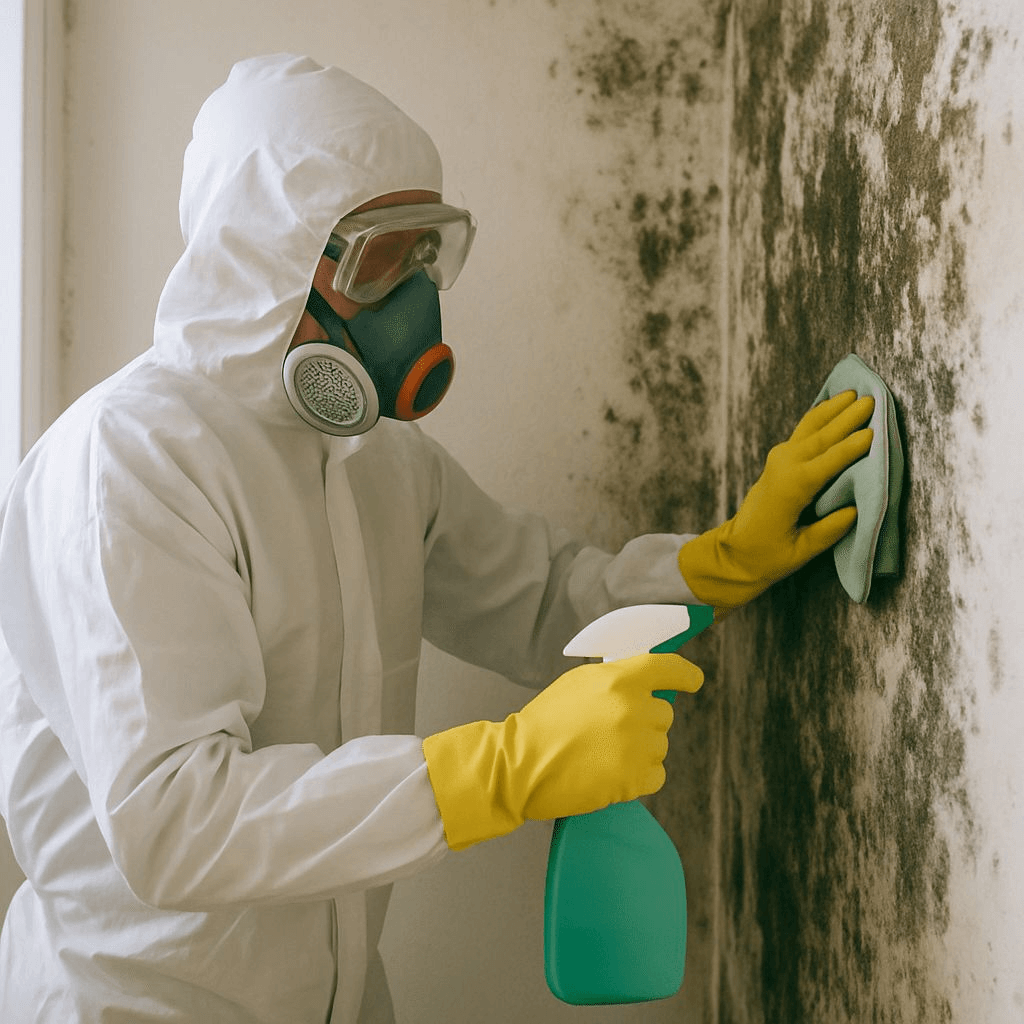
What a mold remediation job involves
What the job includes
Tracking the moisture, tenting the area, stripping the growth, drying, and putting it back.
How long it takes
One corner of a basement is quick; a whole finished basement takes longer. Clearance testing marks the end. Rebuilding walls or floors adds a few days.
What shapes the estimate
Area involved, materials affected, and repairs afterward. Nothing begins until you have approved the price.
Your first visit
Every job starts with a free look and a written number.
Call 24/7, day or night(773) 839-9204
Right after you find it
First Steps After Finding Mold in Chicago
A patch of mold in the basement is no reason to move out. These steps keep it contained until we arrive.
Not sure what to do first? Call (773) 839-9204 and we will talk you through it. You can call us and your insurance company in either order.
What to do
Close off the room
Close the door to that room or the basement stairs.
Photograph everything
Snap a few photos, then let it be.
Call your insurance company
Get the carrier on the phone and jot the claim number on the fridge.
What not to do
Don't use bleach on it
Scrubbing sends spores into the air.
Keep the furnace fan off for now
The furnace blower can carry spores through every duct.
Do not paint over it
Painting over mold only hides the stain.
Common mold damage
Where Mold Grows in Chicago Homes
Chicago mold usually starts below grade, in basements that flood, seep, or stay damp all summer.
Basements after sewer backups
Sewer water that reached paneling, carpet, or drywall leaves mold behind if it is not removed.
Damp basement walls
Older foundations let moisture through, and walls behind finished drywall stay damp.
Attic condensation in winter
Warm air leaking into a cold attic frosts on the roof deck and drips when it thaws.
Below-grade bungalow rooms
Bungalow-belt basements finished as living space can trap moisture behind carpet and walls.
Mold after a hidden leak
A weeping supply line in the wall keeps the cavity wet for weeks.
More about water damage restorationMold after an ice dam leak
Meltwater that soaked attic insulation can leave mold after the roof is fixed.
More about storm damageOld bathrooms without fans
Steam in older baths with no exhaust settles on plaster every day.
What we do
How We Remove Mold and Stop It From Returning
The dampness behind mold in Chicago is usually a basement that took a sewer backup, a block wall that seeps every spring, or winter frost in the attic, and that gets dealt with first.
The work area is wrapped in plastic and kept under negative air with a HEPA unit, so spores do not travel up the basement stairs.
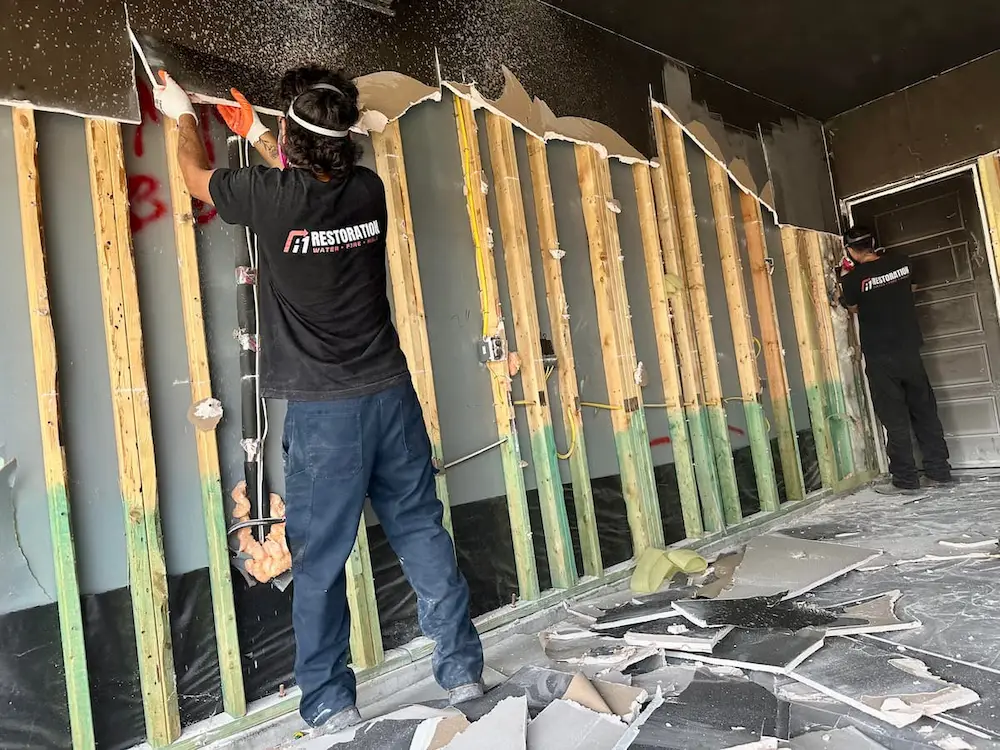
Finished basement walls, carpet, and insulation the growth reached are removed, and joists and studs are cleaned and treated.
We dry the basement or attic and run clearance tests before anything is rebuilt.
Why where the mold started matters
| Where the mold started | What it usually means | How we handle it |
|---|---|---|
A basement after a sewer backup | Growth behind paneling and under carpet weeks later | Contained and removed, with the floor and walls disinfected. |
A block wall that seeps every spring | Mold along the lower wall and on stored items | Removed and dried, and we show you where water enters. |
Attic frost after a long Chicago winter | Dark staining on the roof boards | Cleaned and treated, with ventilation and insulation issues pointed out. |
A garden apartment or bungalow lower level | Musty air and spotting on walls and closets | Cleaned and treated, with advice on dehumidifying the space. |
A leak behind plaster | Hidden growth and a musty smell upstairs | Plaster is opened where readings point, and growth is removed. |
What can be saved
What We Can Save From Mold Damage
In a Chicago basement or bungalow, hard surfaces with mold usually clean up, and soft materials it grew into usually go. Testing decides the specifics.
- Usually saved
- Depends on how far it reached
- Usually replaced
Block and poured walls
Usually savedThese clean up once the source of moisture is controlled.
Floor joists and studs
Usually savedTreated where they stand, then retested.
Plaster
Depends on how far it reachedLight spotting is cleaned. Plaster wet through to the lath is replaced.
Paneling and drywall in finished basements
Depends on how far it reachedSurface growth may clean off. Growth inside means removal.
Belongings stored in the basement
Depends on how far it reachedHard items clean up. Cardboard, books, and upholstery usually do not.
Insulation in a bungalow attic
Usually replacedBungalow attic insulation that grew mold is pulled and hauled away.
More than mold
More Restoration Services From Our Chicago Team
In Chicago, mold nearly always follows water from a basement backup, a leak, or a storm.
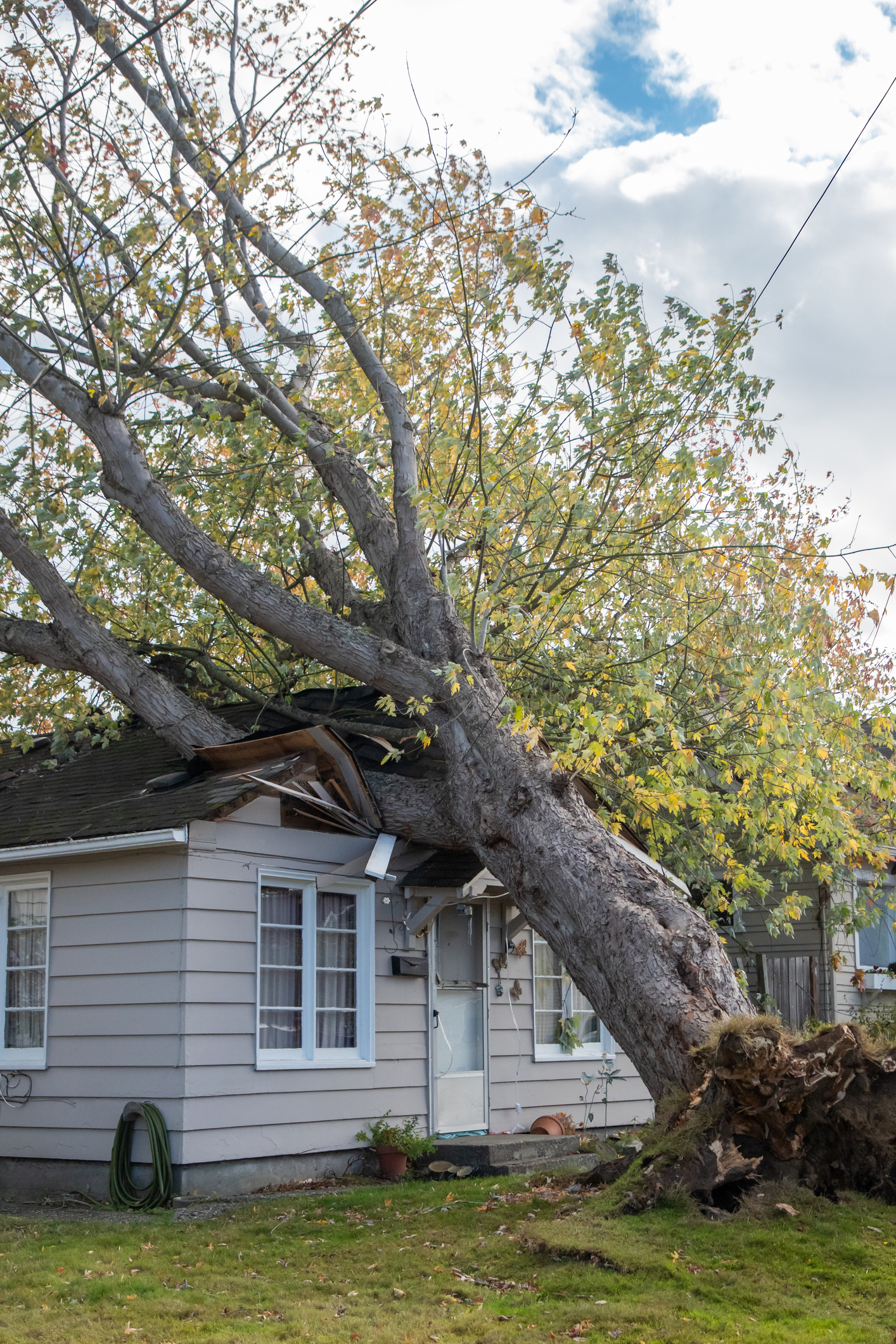
Storm damage
Ice dams and hail damage let water into the attic, and mold often follows. We cover the roof and repair inside.
More about storm damage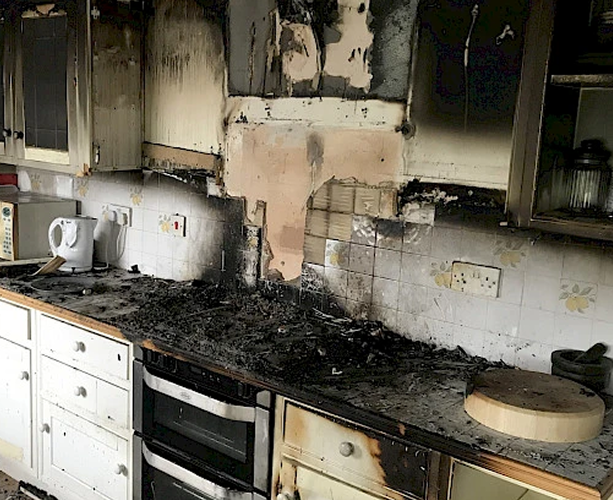
Fire and smoke damage
Firefighting water soaks walls and basements, and mold follows if they stay wet. We clean, dry, and rebuild.
More about fire damage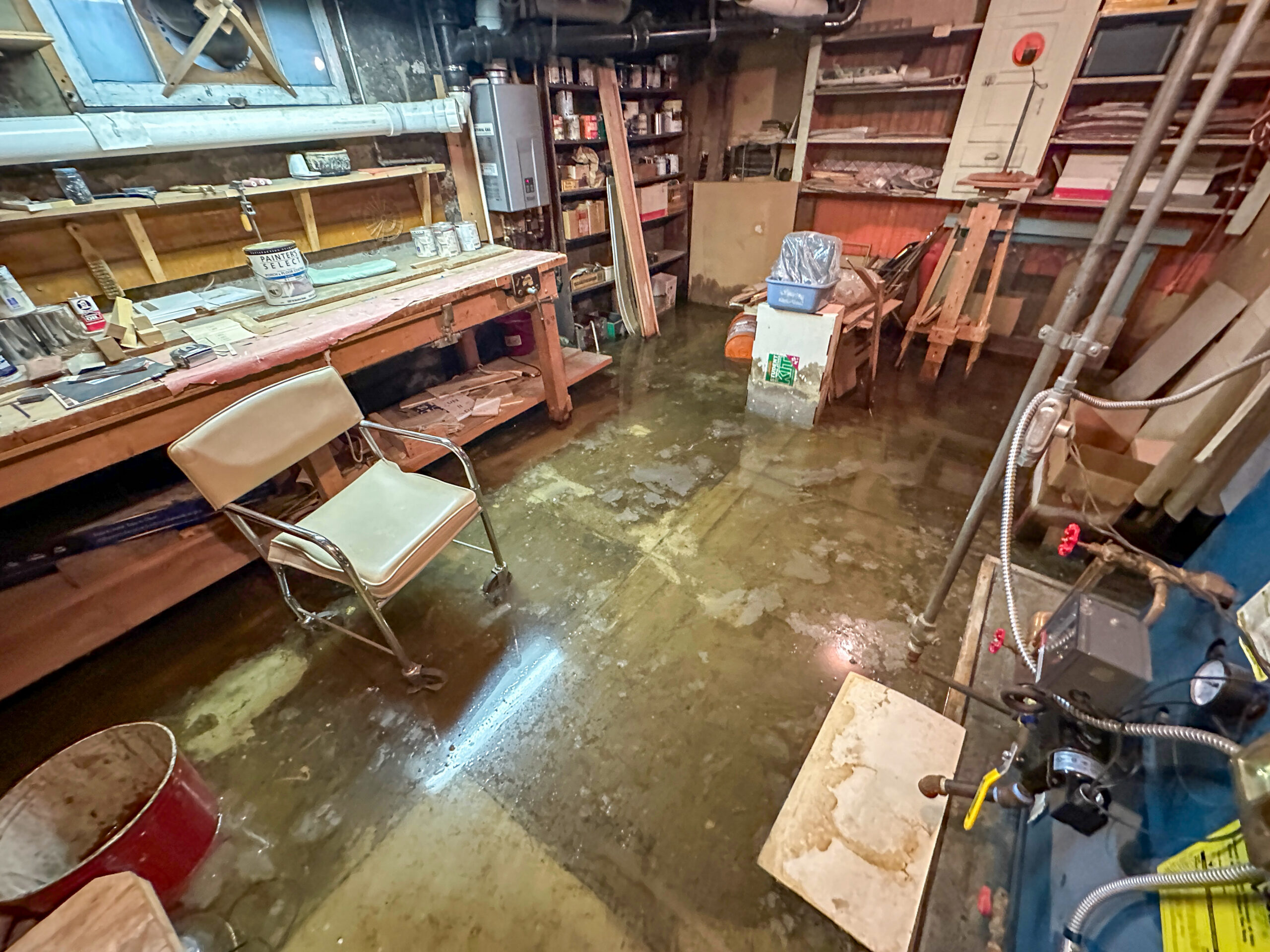
Water damage
A flooded basement is the fastest way to a mold problem. We pump it out, dry the studs, and probe the walls.
More about water damage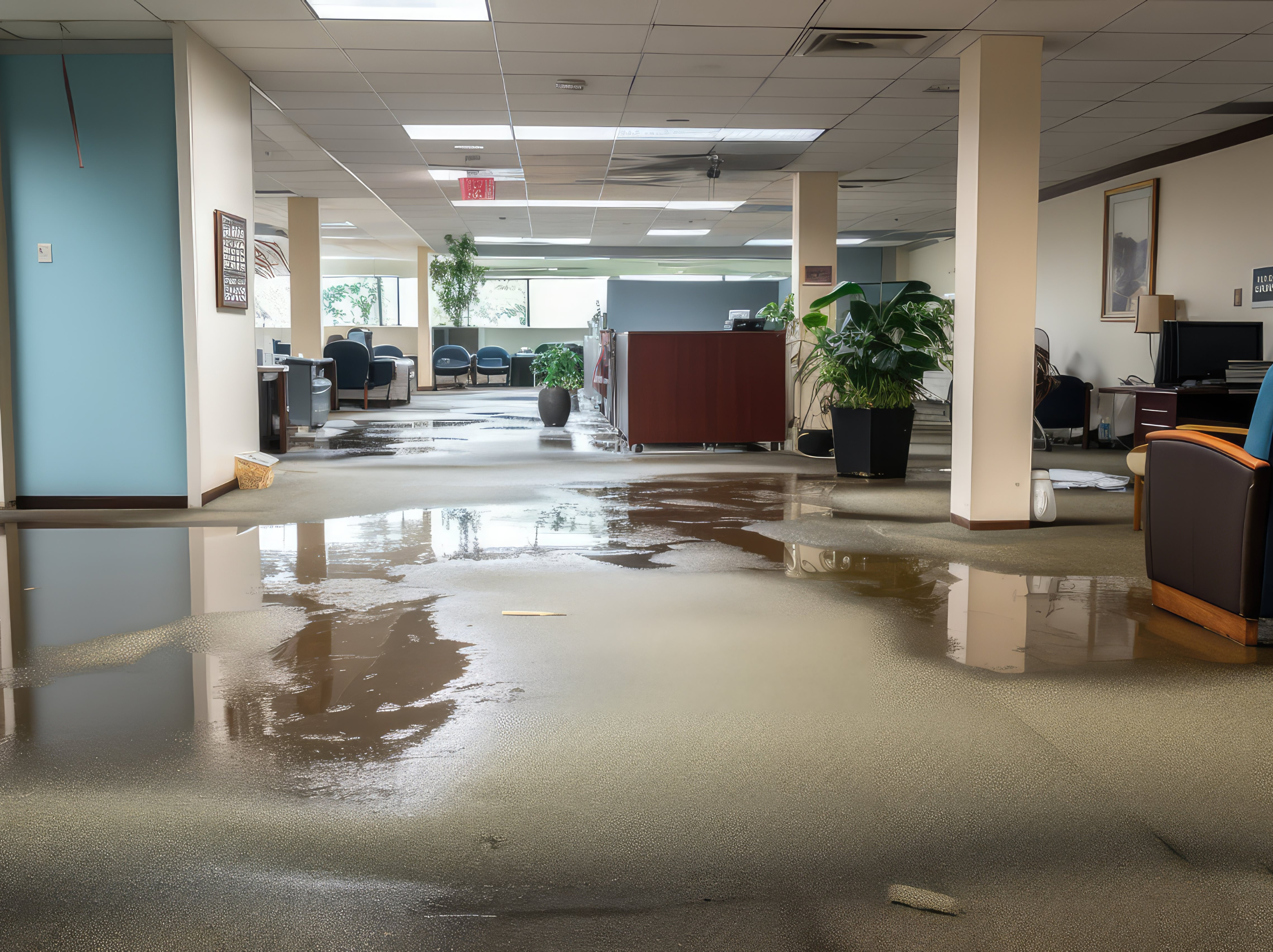
Commercial restoration
In older buildings, damp in one basement or unit can feed mold next door. We schedule around your hours.
More about commercial restoration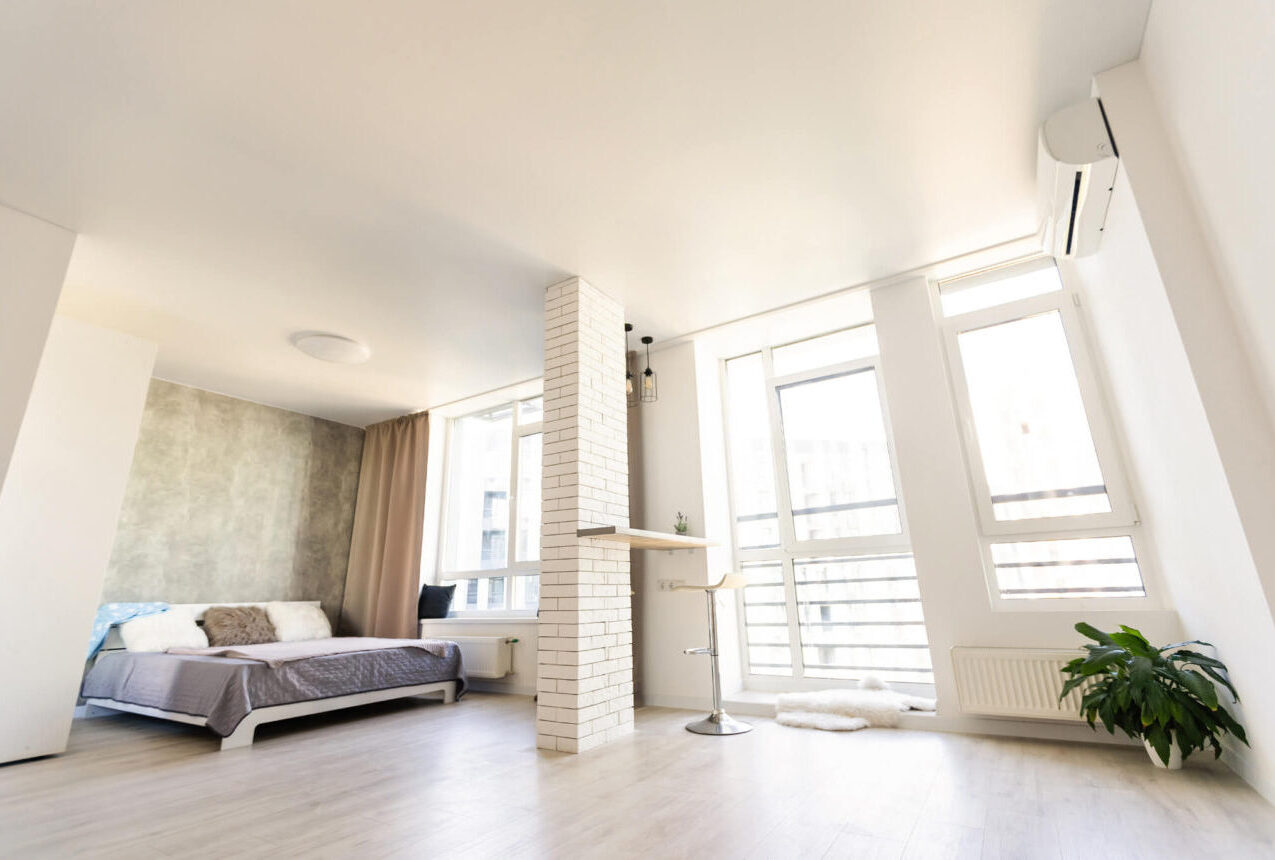
Reconstruction
Once testing passes, we rebuild the basement walls, floors, and trim that came out. The same team does both.
Ask about repairsNot sure which kind of damage it is?
Send a picture or tell us on the phone, and we will match it to the right service.
Call 24/7, day or night(773) 839-9204
Step by step
Our Mold Remediation Process in Chicago
Four stages, same order, on every Chicago job.
You call, and we seal off the space
Phone (773) 839-9204 around the clock. The basement or room is closed off with plastic and negative air.
We inspect and document
We find the water source, often a sewer backup, a foundation crack, or a basement window well, and photograph the growth.
We remove and dry
Affected drywall, paneling, and carpet come out, framing is cleaned, and dehumidifiers run to normal readings.
We restore and test
The basement or room is rebuilt, and a clearance test confirms the air is clean.
Smell something musty but can't see mold?
That usually means moisture somewhere nearby. Ring us; we know where it usually hides.
Insurance and claims
How Insurance Handles Mold Damage in Chicago
Most policies pay for mold only when a sudden covered event, such as a pipe failure, caused it. Mold from a sewer backup may need the backup endorsement, and long-term damp usually is not covered. Coverage depends on your policy.

What your adjuster will want
- The day growth showed up and what you think started it
- Photos of the basement, attic, and any lower-level unit
- Records of a backup, seepage, or ice dam leak that started it
- Receipts for dehumidifiers or emergency work
What we send them
- Photos inside each sealed-off work zone, before and after
- A record of how far the growth spread
- An estimate for containment, removal, and rebuilding
- Replies to the adjuster about whether a covered backup or long-term seepage caused it
Where Our Chicago Team Works
We work across Chicago and the nearby suburbs, including the communities listed below.
Up to 45 miles around Chicago
Not sure if you're in range? Call (773) 839-9204 and ask.
Including
- Elgin
- Aurora
- Lombard
- Wheaton
- Elmhurst
- Evanston
- Naperville
- Schaumburg
- Des Plaines
- Orland Park
- Tinley Park
- Buffalo Grove
- Oak Lawn
- Hoffman Estates
- Arlington Heights
Nearby locations
Looking for a Different Location?
On the wrong page, or is another location closer to you? Here are our nearest locations.
St. Louis, MO
View mold remediation servicesCleveland, OH
View mold remediation servicesNashville, TN
View mold remediation services
How fast can you get to me?
We can be at your door within 40 minutes. Call (773) 839-9204 and give us your address.
Does an Illinois homeowners policy cover mold removal?
Usually only when a sudden covered loss caused the mold. Mold from a sewer backup may need that endorsement.
Is basement mold common after Chicago sewer backups?
Yes. When the combined sewer backs up through a floor drain, the water soaks drywall, carpet, and stored items, and those materials grow mold if they are not removed. After the July 2023 storm, mold was a lasting problem in many West Side basements.
Can mold hide behind plaster in an older Chicago home?
Yes. Lath and plaster stay damp longer than drywall, so a hidden drip in a bungalow or two-flat can grow mold you never see.
Will a dehumidifier get rid of basement mold?
No. It keeps humidity down, but mold that is already growing has to be removed with the material it is on.
Can mold come back after removal?
Only if the moisture stays. We fix the drain, the crack, or the window well along with removing the growth.
Do you handle mold in Chicago apartment buildings and offices?
Yes. The manager gets our report, and then we handle removal and repairs.
What does mold removal cost in Chicago?
It depends on the area, materials, and repairs. Fill in the short form at the bottom; you get the price in writing, and your adjuster can get it too.
Can we stay home during removal?
Often, if the work is limited to the basement. A large containment upstairs may mean a short stay elsewhere.
Day or night
Found Mold in Your Chicago Home?
Call (773) 839-9204, 24/7, day or night. We can be at your door within 40 minutes.
Call 24/7, day or night(773) 839-9204Or ask for a free inspection online
Leave your name and number, and a Chicago project lead will call.
Need help now? Call (773) 839-9204