
24/7, day or night Greater Chicago
Fire and Smoke Damage Restoration in Chicago, IL
A pan left on the burner, a tired circuit in a hundred-year-old two-flat, or a space heater pushed against a bedspread can fill a Chicago home with smoke in minutes. A1 Restoration handles fire and smoke damage restoration in Chicago, whether it is one scorched kitchen or smoke in every room of a bungalow.
Free inspectionCall 24/7Tap to call · Free inspection(773) 839-9204Ring us at 3 a.m. or on a holiday weekend and a real person in our Chicago shop answers. We can be at your door within 40 minutes.
Free inspections and estimates
 IICRC Certified Firm

“Had a great experience with A1 Restoration. They responded quickly, explained everything clearly, and made a stressful situation much easier. Professional, respectful, and the work looks excellent.”“…They responded quickly, explained everything clearly, and made a stressful situation much easier.”










Why speed matters
Why a Chicago House Fire Keeps Doing Damage After It Is Out
Putting out the fire stops the flames. The soot, odor, and hose water keep damaging the building after CFD clears the scene.
Soot etches plaster and woodwork over time, and smoke odor settles into insulation and fabric within hours. Get the soot off early, and more of the original plaster and oak trim survives.
Chicago's housing stock includes thousands of early-1900s bungalows, graystones, and two-flats, many still carrying wiring installed decades before central air and today's appliance loads existed. Harsh winters also push space heater and furnace use up for months at a time, a common source of residential fires. We work across Chicago and throughout Cook County.
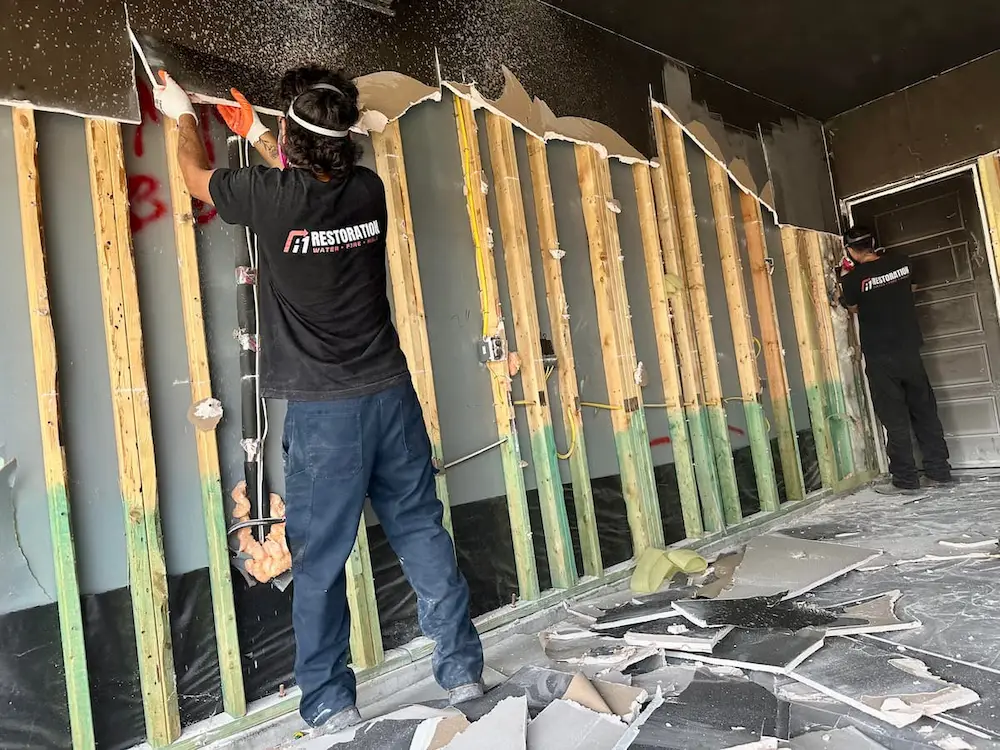
What a fire damage job involves
What the job includes
Board-up, soot removal on walls and contents, odor treatment, and rebuilding the burned rooms.
How long it takes
One kitchen is a few days; a smoked-out three-flat is a few weeks. Odor testing decides when each room is done. Replacing plaster, flooring, or cabinets adds time.
What shapes the estimate
Burn area, smoke spread, and the size of the rebuild. Nothing begins until you have approved the price.
Your first visit
Every job starts with a free look and a written number.
Call 24/7, day or night(773) 839-9204
Right after the fire
First Steps After a Fire in Chicago
After CFD hands the building back, this list protects what is left. A hanging wire or a bellied ceiling means that room waits for an inspection.
Not sure what to do first? Call (773) 839-9204 and we will talk you through it. You can call us and your insurance company in either order.
What to do
Wait for the all clear
Wait on the sidewalk until CFD says you can go in.
Photograph everything
Photograph every room, the basement, and the outside before cleaning starts.
Call your insurance company
Get the carrier on the phone and jot the claim number on the fridge.
What not to do
Do not turn on the power
An electrician should test the wiring before ComEd restores power, even in rooms the fire missed.
Don't touch fire-exposed food or appliances
Food near the heat is likely ruined, and appliances need testing before anyone plugs them in.
Don't wipe the soot
Wiping smears oily soot and pushes the odor into plaster and fabric.
Common fire damage
How House Fires Start in Chicago
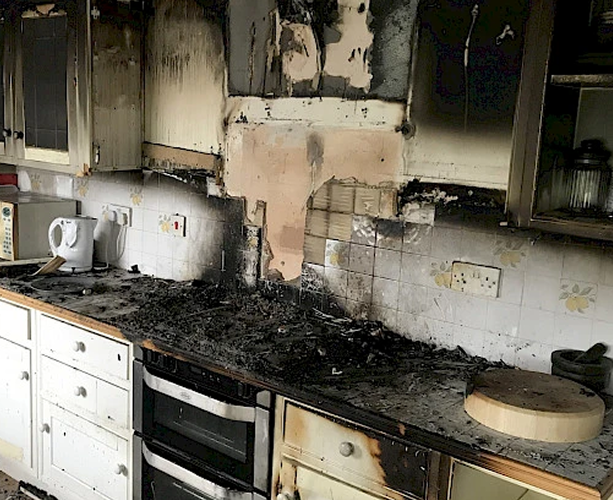
Most Chicago house fires begin at the stove, in old wiring, at a furnace or space heater, or in the flat next door.
Kitchen fires
Leaving the stove is still one of the top causes of house fires, and in a two-flat both families end up breathing the smoke.
More about water damage restorationElectrical fires in older homes
Vintage wiring in bungalows and greystones can overheat under modern loads.
Space heater and furnace fires
Space heaters near bedding and furnaces that skip service are common winter causes.
Dryer fires
Lint in a long basement dryer vent can ignite.
Fires in shared multi-unit buildings
Smoke travels between units of a two-flat, three-flat, or courtyard building through stairwells and chases.
Water from firefighting
Hose water runs down to the lower unit and the basement and has to come out fast.
Mold after a fire
Plaster and basements soaked by the hoses can sprout mold in a week.
More about mold remediation
What we do
How We Clean Up Fire and Smoke Damage
When the Chicago Fire Department releases the building, we board broken windows, tarp the roof, and leave burned circuits off until an electrician and ComEd bring power back.
In a two-flat or three-flat, smoke runs up the back stairs and through shared walls, so we test the units above and below as well as the one that burned.
Charred framing, plaster cracked by heat, and smoke-soaked insulation come out, while brick, block, and vintage trim that only took soot are cleaned.
Soot and odor work keeps going until each unit tests clean, and the basement is pumped of hose water before it can grow mold.
Why the cause of the fire matters
| What started the fire | What it usually means | How we handle it |
|---|---|---|
A grease fire in a second-floor kitchen | Grease soot on cabinets and ceilings, with smoke on the back stairs | The kitchen is degreased and cleaned, and the stairway and neighboring units are treated. |
Old wiring in a vintage building | Heat inside plaster walls past the visible burn | Plaster is opened, wiring and framing checked, and burned sections replaced. |
A space heater or furnace in winter | Heavy soot near the unit and smoke drawn into the ductwork | The area is deep cleaned, and ducts are cleaned so smoke does not return. |
A fire in another unit | Smoke and water coming through the floor or shared wall | Your flat gets its own inspection and paperwork, separate from the unit where the fire began. |
Hose water in the basement | Water collected on the floor and in storage | Pumped out and dried before the space turns musty. |
What can be saved
What We Can Save After a Fire
Chicago common brick and glass block generally scrub clean after a fire, while mattresses and upholstery near the burn generally do not. The inspection settles what is in between.
- Usually saved
- Depends on the smoke and the heat
- Usually replaced
Common brick and glass block
Usually savedBoth clean up well once the soot is treated.
Vintage oak and pine trim
Depends on the smoke and the heatLight soot sands off, and scorched pieces are milled to match.
Plaster in a vintage flat
Depends on the smoke and the heatSmoke-filmed plaster away from the fire gets washed and primed. Heat-cracked plaster is replaced.
Oak strip floors
Depends on the smoke and the heatLight soot cleans off the finish. Boards warped by heat or hoses are replaced.
Clothes, bedding, and curtains
Depends on the smoke and the heatMost washables come back with the right process. Items near the flames are lost.
Batts and loose fill near the burned area
Usually replacedIt holds smoke and is replaced.
More than smoke
More Restoration Services From Our Chicago Team
After a Chicago fire, the hose water and the season can start new damage.
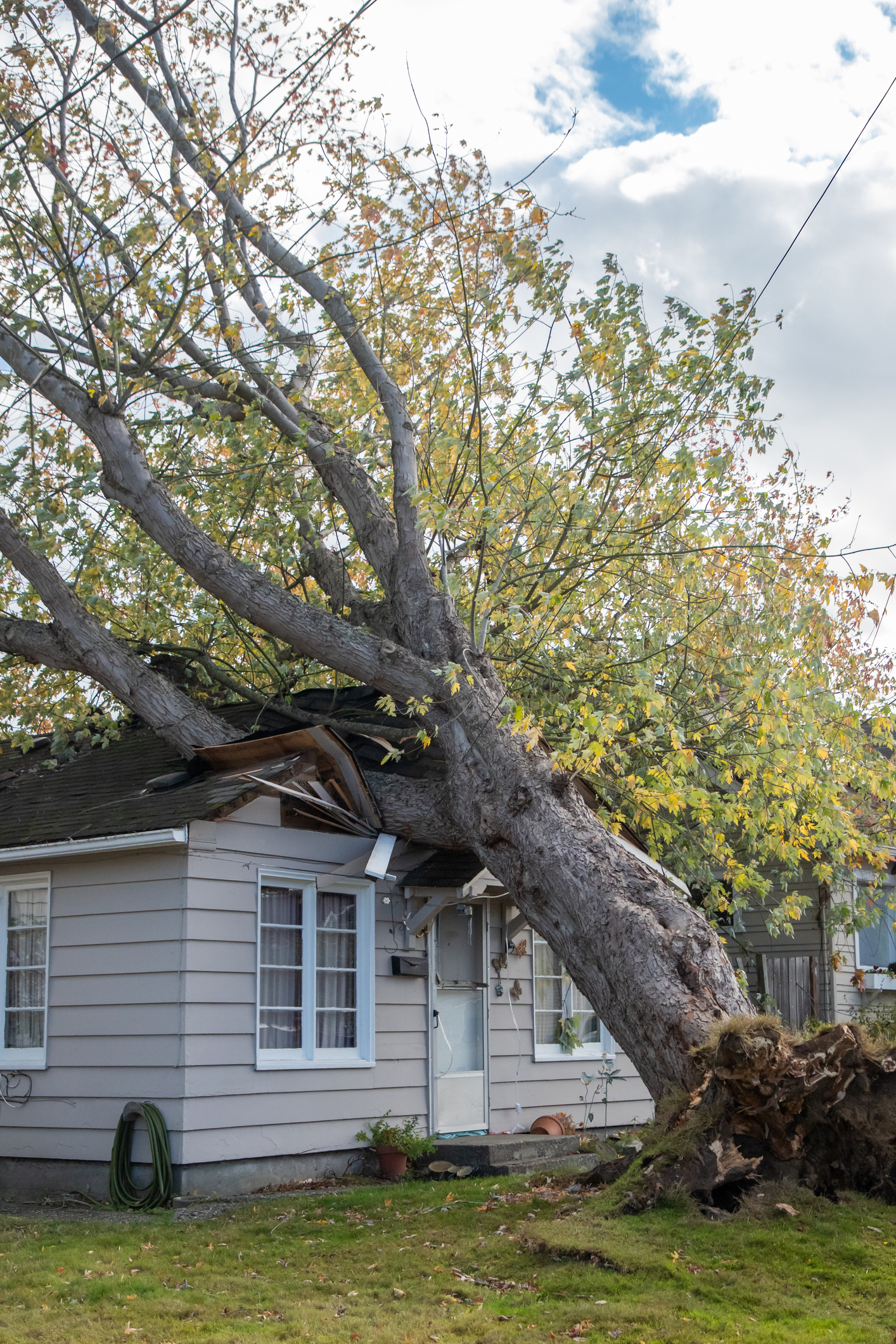
Storm damage
A windstorm, hail, or an ice dam breaches a roof just as surely as a fire. The hole gets sealed, and the rooms under it are rebuilt.
More about storm damage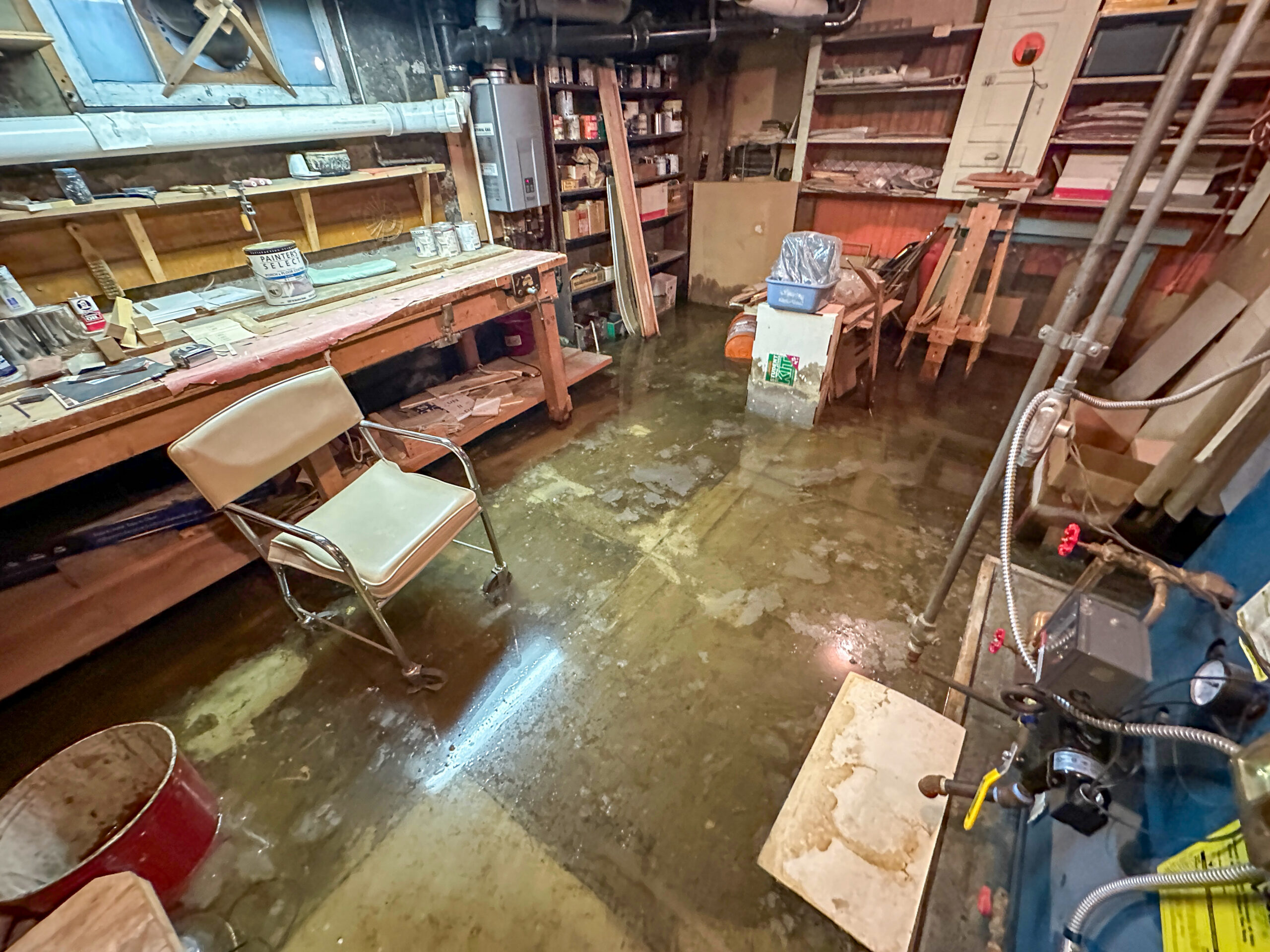
Water damage
Hose water runs into the lower unit and the basement. We extract it and dry the building.
More about water damage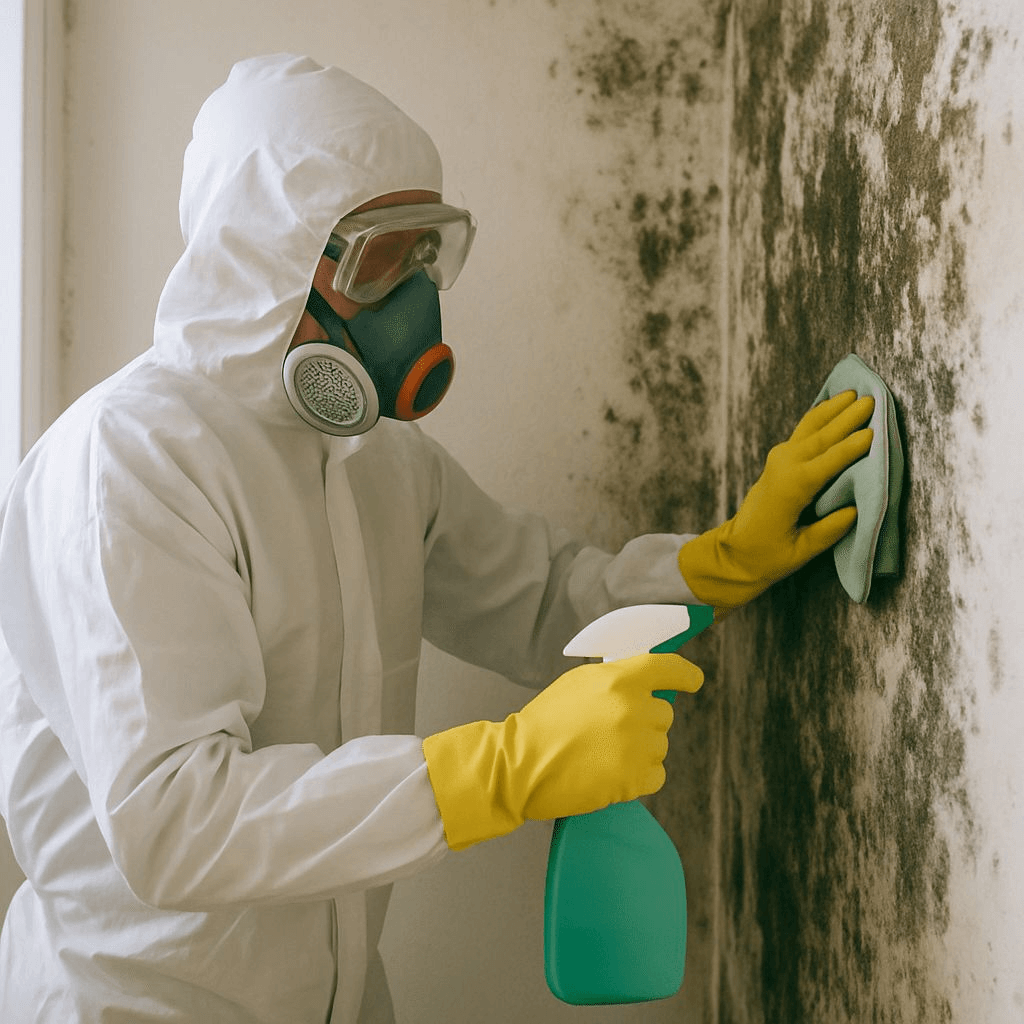
Mold remediation
A basement left wet after firefighting can grow mold. We find the moisture and remove it.
More about mold remediation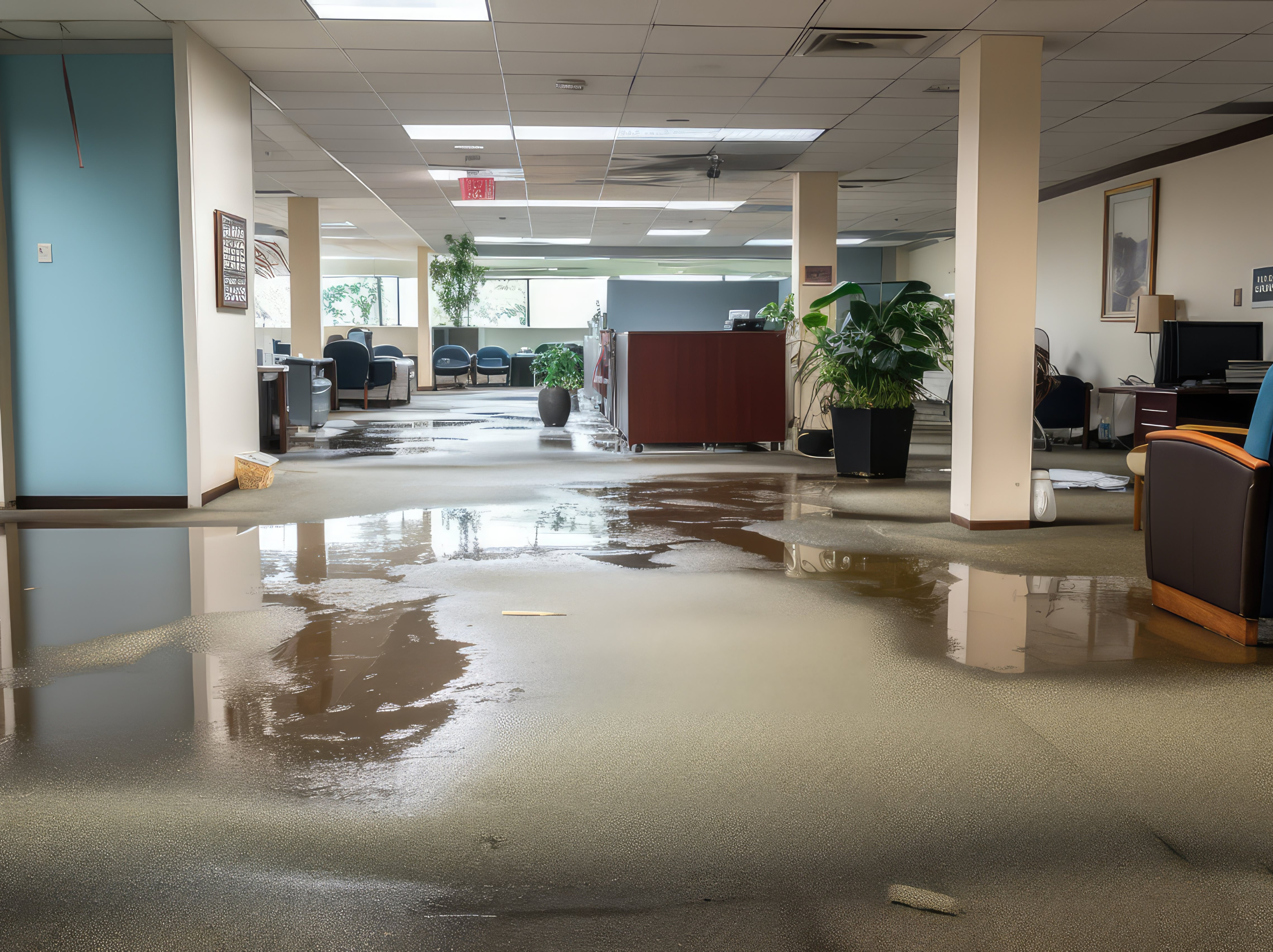
Commercial restoration
Restaurants, shops, and offices in older buildings share walls and chases, so smoke spreads. We work around your hours and keep your carrier's records.
More about commercial restoration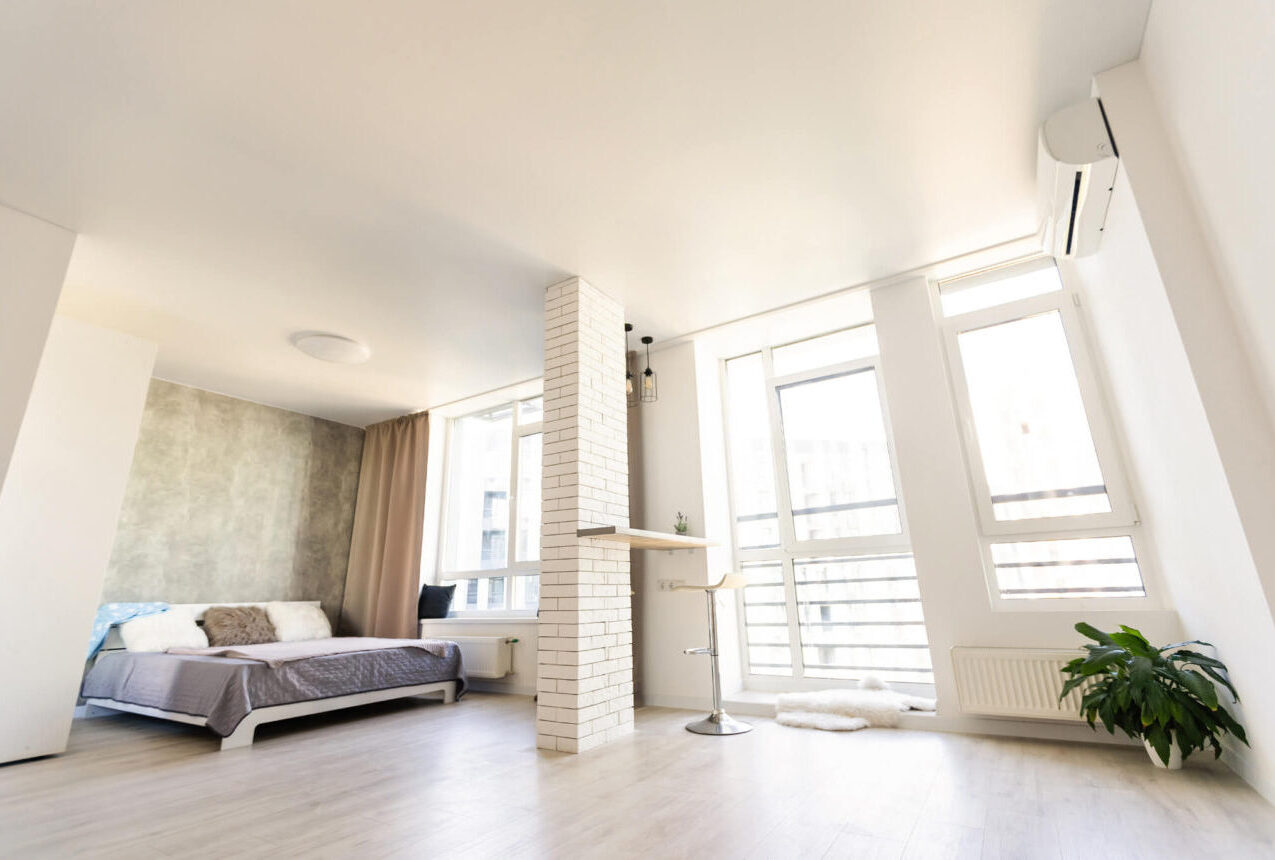
Reconstruction
After the soot and smell are handled, the burned rooms get new plaster and matching oak or pine trim. One crew does both.
Ask about repairsNot sure which kind of damage it is?
Send a picture or tell us on the phone, and we will match it to the right service.
Call 24/7, day or night(773) 839-9204
Step by step
Our Fire and Smoke Damage Restoration Process in Chicago
Four stages, same order, on every Chicago job.
You call, and we secure the building
Phone (773) 839-9204 around the clock. Windows, doors, and roof openings are boarded or tarped right away.
We inspect and document
Smoke moves through two-flats and three-flats fast, so we check every unit, hallway, and the basement and photograph it.
We remove the soot, smell, and water
Plaster and woodwork are washed down, odor is neutralized, and the CFD hose water is pumped out.
We rebuild and walk through it with you
The damaged rooms are rebuilt and painted, then we confirm with you that no odor remains.
Smell gas, or see exposed wiring?
Leave the area and don't flip any switches. Phone us for the next safe step.
Insurance and claims
How Insurance Handles Fire Damage in Chicago
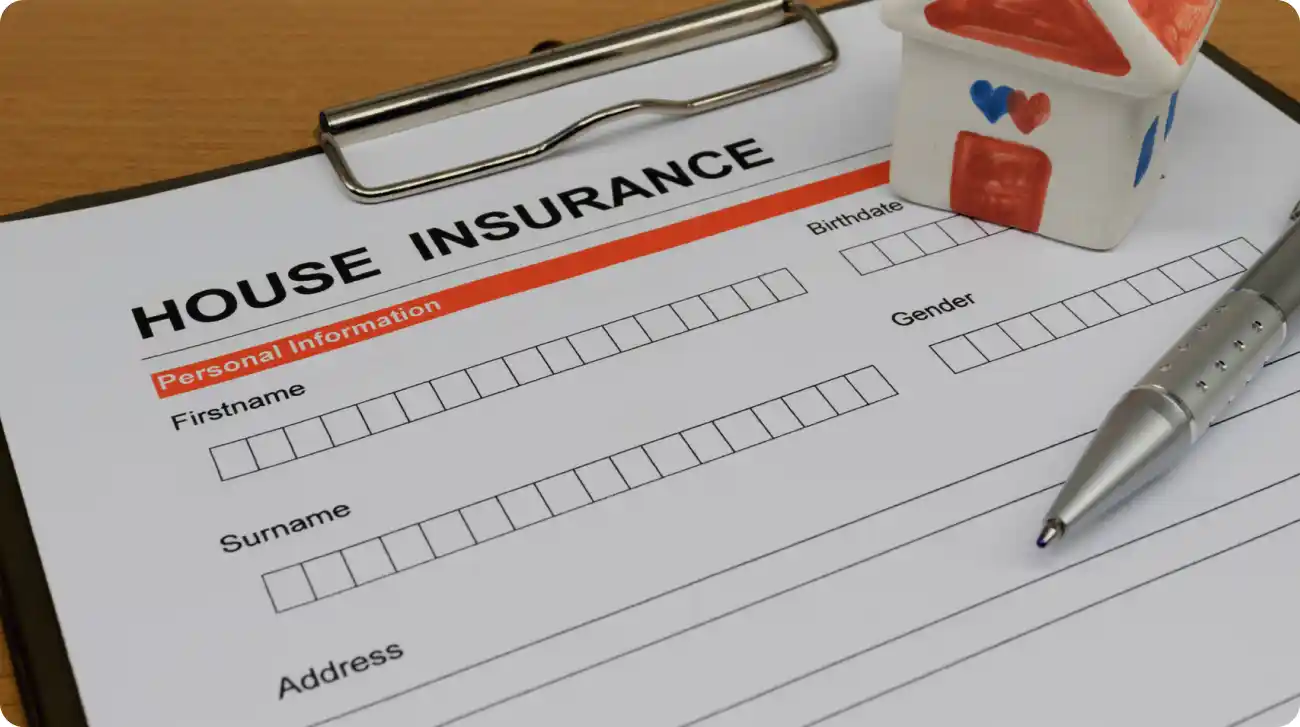
Illinois homeowners and renters policies usually pay for an accidental fire and its smoke, even when the fire started in the flat next door. Damage from neglect often is not. Coverage depends on your policy.
What your adjuster will want
- The CFD report with the date and cause of the fire
- Photos of each unit, the back stairs, and the basement
- Smoke-damaged belongings set aside
- Receipts for plywood, a hotel, and meals while you were out of the flat
What we send them
- Photos of every unit and room the smoke reached
- Odor and soot readings, unit by unit
- An estimate for cleaning, deodorizing, and rebuilding
- Replies to each unit owner's adjuster in a shared building
Where Our Chicago Team Works
We work across Chicago and the nearby suburbs, including the communities listed below.
Up to 45 miles around Chicago
Not sure if you're in range? Call (773) 839-9204 and ask.
Including
- Elgin
- Aurora
- Lombard
- Wheaton
- Elmhurst
- Evanston
- Naperville
- Schaumburg
- Des Plaines
- Orland Park
- Tinley Park
- Buffalo Grove
- Oak Lawn
- Hoffman Estates
- Arlington Heights
Nearby locations
Looking for a Different Location?
On the wrong page, or is another location closer to you? Here are our nearest locations.
St. Louis, MO
View fire and smoke damage servicesCleveland, OH
View fire and smoke damage servicesNashville, TN
View fire and smoke damage services
Questions we hear
Chicago Fire and Smoke Damage Restoration FAQs
Still have a question? Call (773) 839-9204
How fast can you get to me?
We can be at your door within 40 minutes. Call (773) 839-9204 and give us your address.
Does an Illinois homeowners policy cover fire damage?
Usually for an accidental fire and its smoke, including smoke from a fire next door. Neglect often is not covered.
When can we go back inside?
When CFD says the building is safe. Rooms with dangling wires or a bowed ceiling stay shut until our crew looks at them.
Can the smoke smell be removed?
Usually. In most homes, yes. Smoke-stained surfaces are washed, and air scrubbers pull the smell out of plaster and fabric. Items next to the fire may need replacing.
Is it safe to use my furnace after a house fire in Chicago?
Not until it is checked. Smoke and soot in the ductwork can spread the smell through the whole home, and heat from the fire can damage the unit. Have it inspected before you turn it back on.
Can smoke from a neighbor's fire damage my unit in a Chicago two-flat?
Yes. Two-flats and courtyard buildings share walls, stairwells, and sometimes ductwork, so smoke can reach units the fire never touched. We test and clean each unit separately.
Can you help a Chicago restaurant or shop after a fire?
Yes. Owners and managers see our findings first, then we take the space from cleanup to rebuilt.
What does fire restoration cost in Chicago?
It depends on the burn area, smoke spread, and rebuild. Fill in the short form at the bottom; you get the price in writing, and your adjuster can get it too.
Can we stay home during the work?
Sometimes, in rooms the smoke missed. No heat, no power, or poor air usually means staying elsewhere.
Day or night
Had a Fire in Your Chicago Home or Flat?
Call (773) 839-9204, 24/7, day or night. We can be at your door within 40 minutes.
Call 24/7, day or night(773) 839-9204Or ask for a free inspection online
Leave your name and number, and a Chicago project lead will call.
Need help now? Call (773) 839-9204