
24/7, day or night Greater St. Louis
Mold Remediation in St. Louis, MO
A musty smell in a basement, dark spotting on a bathroom ceiling, or a damp spot after a leak usually means water's getting in somewhere it should not. A1 Restoration handles mold remediation in St. Louis, usually beginning in a century-old brick basement where humidity and seepage linger.
Free inspectionCall 24/7Tap to call · Free inspection(417) 262-6233Whether you're in Dogtown or Dutchtown, a live dispatcher answers 24 hours a day. We can be at your door within 40 minutes.
Free inspections and estimates
 IICRC Certified Firm
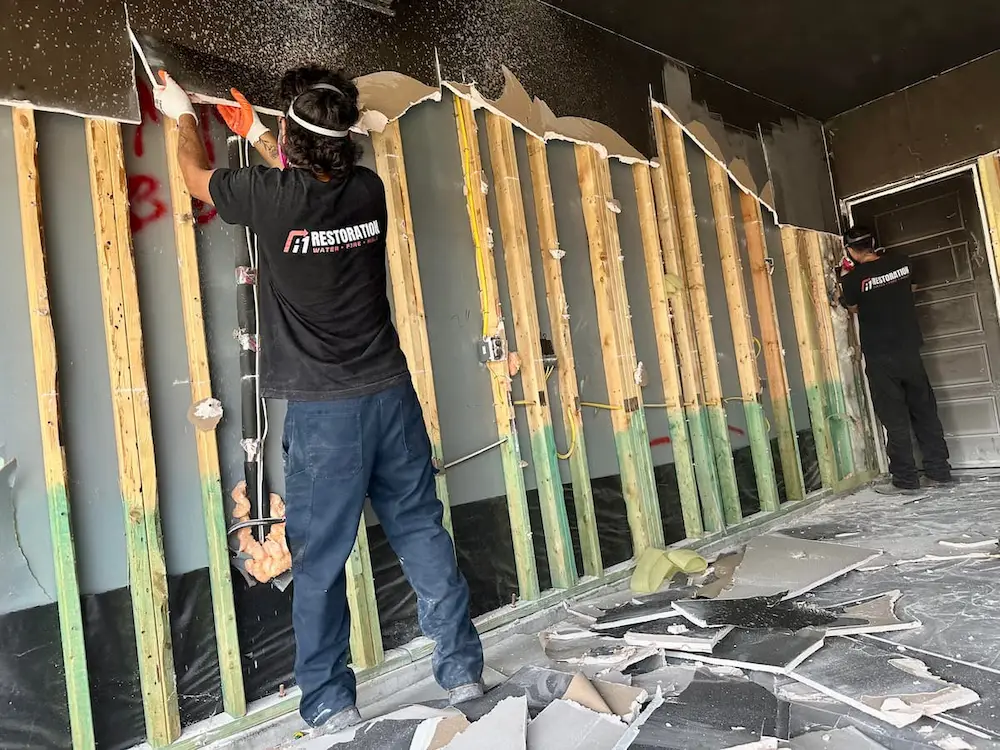

“I had an issue with mold in basement.… Their fast and effective service, skills, and knowledge on possible cause and effect of issue was right on point!!”“I had an issue with mold in basement.”










Why speed matters
Why Mold Keeps Spreading Once It Starts
Mold needs only moisture, not standing water. In a damp brick basement or behind lime plaster, mold can grow for weeks with nothing visible from upstairs.
Scraping off what you can see solves only part of it. A seeping foundation, a sewer backup that wasn't fully cleaned, or a leaking roof will bring it right back unless repaired.
St. Louis' hot, humid summers give mold plenty of opportunity to grow once water gets in, and the city's many historic brick homes often have older basements that hold onto moisture longer than newer construction. We work across St. Louis, Clayton, Florissant, and the rest of the metro.
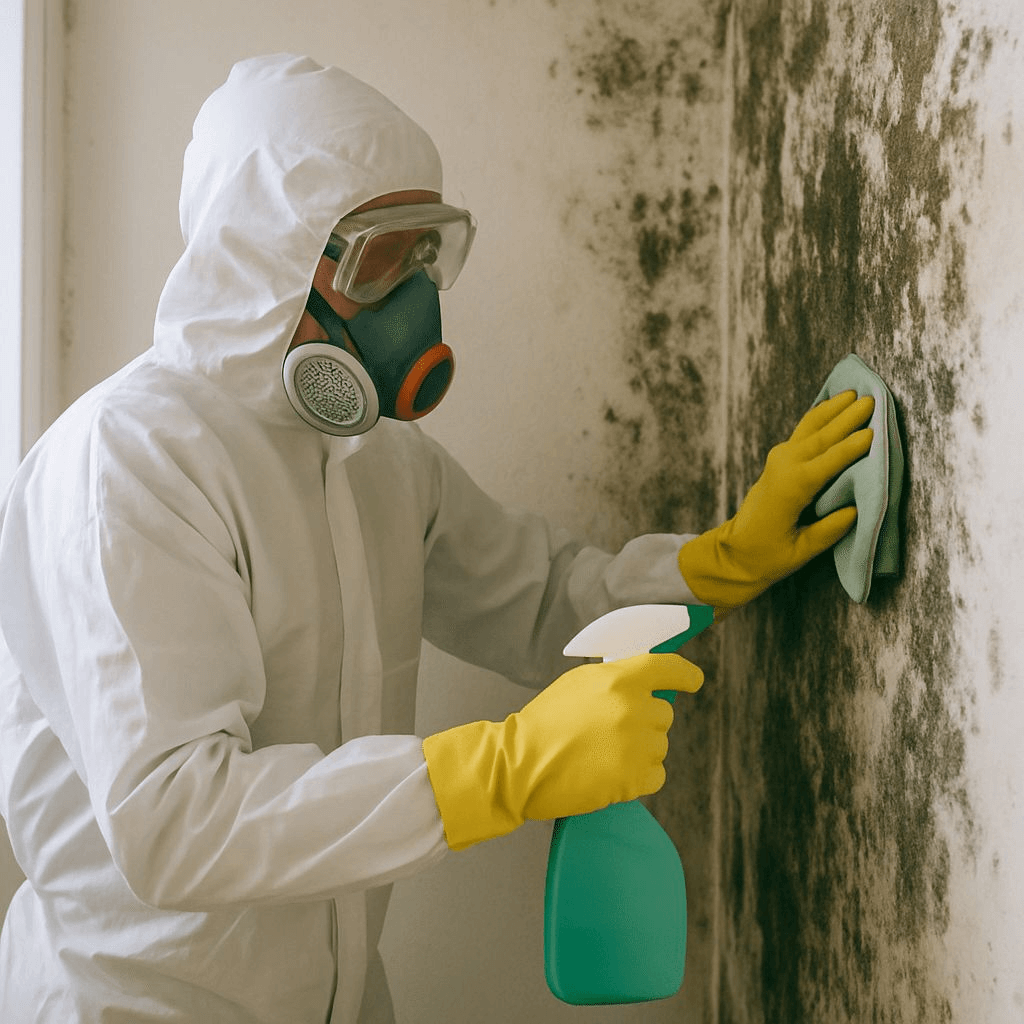
What a mold remediation job involves
What the job includes
Pinpointing the moisture, sealing off the work area, removing growth, then drying and rebuilding.
How long it takes
A laundry corner takes a day or two; an entire brick basement takes longer. A passing air test closes the job. Replacing plaster or basement walls adds days.
What shapes the estimate
Square footage, materials, and repairs. Nothing starts until you sign the estimate.
Your first visit
Your first site visit and the written estimate cost nothing, from Clayton to Carondelet.
Call 24/7, day or night(417) 262-6233
Right after you find it
First Steps After Finding Mold in St. Louis
Mold in the basement doesn't mean moving out. These steps keep it contained until our crew arrives.
Not sure what to do first? Call (417) 262-6233 and we will talk you through it. You can call us and your insurance company in either order.
What to do
Close off the room
Close the basement door or the door to that room.
Photograph everything
Photograph it for your claim and leave it alone.
Call your insurance company
Report the loss and keep the claim number with your pictures.
What not to do
No bleach
Scrubbing sends spores into the air.
Turn off the furnace and AC blower
Forced air can push spores into every room.
Do not paint over it
Paint covers mold without stopping it.
Common mold damage
Where Mold Grows in St. Louis Homes
St. Louis mold usually starts in brick basements, behind old plaster, and in attics after a storm, all helped along by humid summers.
Basements in historic brick homes
Soft brick and stone foundations in Soulard, Benton Park, and The Hill let moisture in after every long rain.
Crawl space humidity
Older homes with crawl spaces trap muggy summer air against the framing.
Attic condensation
Winter air leaking into a cold attic condenses on the roof deck.
Attics after tornado or storm damage
Rain that came through a tornado- or hail-damaged roof can leave insulation damp long after repairs.
More about storm damageMold after a leak
A slow drip inside a plaster wall or under a sink feeds mold unseen.
More about water damage restorationMold after a storm
A sewer backup or flooded basement can grow mold if it isn’t dried fully.
Bathroom and kitchen mold
Older baths with weak exhaust fans let steam soak the plaster.
What we do
How We Remove Mold and Stop It From Returning
Humid St. Louis summers mean mold follows any water left behind: a brick home's basement after an MSD backup, a crawl space under a frame addition, or an attic that stayed damp after hail or tornado damage. That water is stopped before removal.
Plastic walls and a HEPA exhaust keep spores contained in the basement or attic while the work goes on.
Any paneling, sheetrock, carpet, or fiberglass with growth leaves in sealed bags, and the joists are HEPA-vacuumed and sprayed with a sealer.
Dehumidifiers pull the space down through the muggy months, and a lab sample must come back clean before rebuilding.
Why where the mold started matters
| Where the mold started | What it usually means | How we handle it |
|---|---|---|
The basement of a Tower Grove brick home after a backup | Mold on paneling, boxes, and the bottom of the stairs | Moldy finishes go, and the basement is sanitized and dried. |
A crawl space under a frame kitchen addition | Fuzzy growth on joists over dirt | We clean and seal the joists, then suggest laying heavy plastic over the bare soil. |
An attic soaked by a tornado or hailstorm | Black spots on the roof boards where rain got in | After the roof is fixed, the boards are treated or swapped. |
Plaster on brick that stayed wet behind a radiator | A musty smell in a bedroom with nothing visible | We open the plaster where the meter jumps and remove what is growing. |
A bathroom with no exhaust fan | Spotting across the ceiling and tile grout | The ceiling and grout are treated, and a fan ducted outdoors is suggested. |
What can be saved
What We Can Save From Mold Damage
Brick, limestone, and old framing in a St. Louis home usually come back after mold, while paneling, drywall, and carpet it grew into get replaced.
- Usually saved
- Depends on how far it reached
- Usually replaced
Brick and limestone basement walls
Usually savedMasonry scrubs clean once the water source is fixed.
Joists and sills in a Gateway City basement
Usually savedVacuumed, coated, and metered again where they sit.
Plaster laid on brick
Depends on how far it reachedSpots on the paint wipe off, and plaster that let go of the brick is redone.
Knotty-pine and wood paneling
Depends on how far it reachedSurface mildew wipes off the pine, but boards with mold on the back are removed.
Holiday decorations and boxes in the basement
Depends on how far it reachedPlastic and metal survive a cleaning, while cardboard and cloth rarely do.
Batts in the attic or rim joists
Usually replacedMoldy fiberglass is taken out and new insulation goes in.
More than mold
More Restoration Services From Our St. Louis Team
In St. Louis, mold almost always follows water from the basement, the sewer, a storm, or a fire.
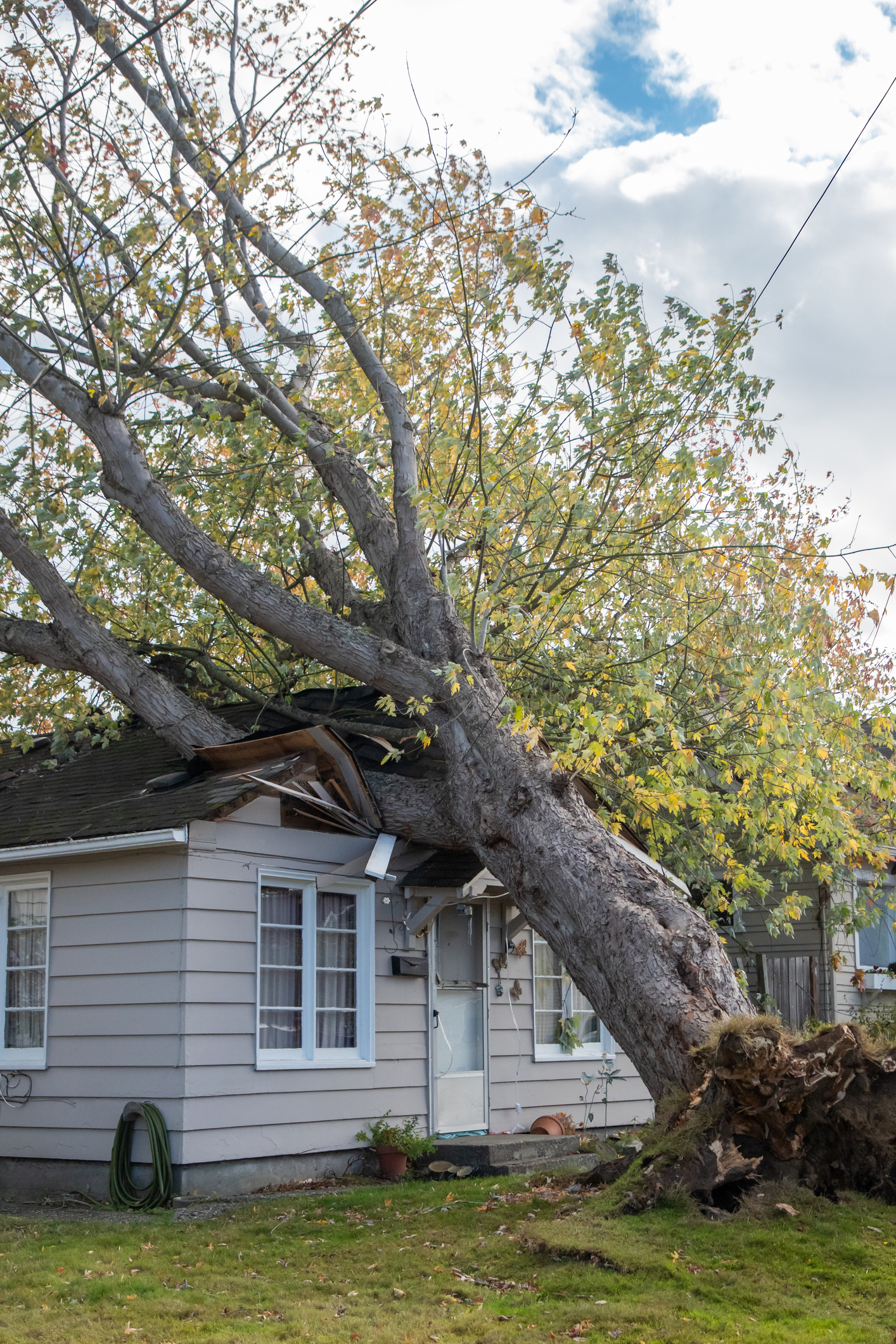
Storm damage
Hail and tornado damage let rain into the attic, and mold can follow. The roof is covered and the inside repaired.
More about storm damage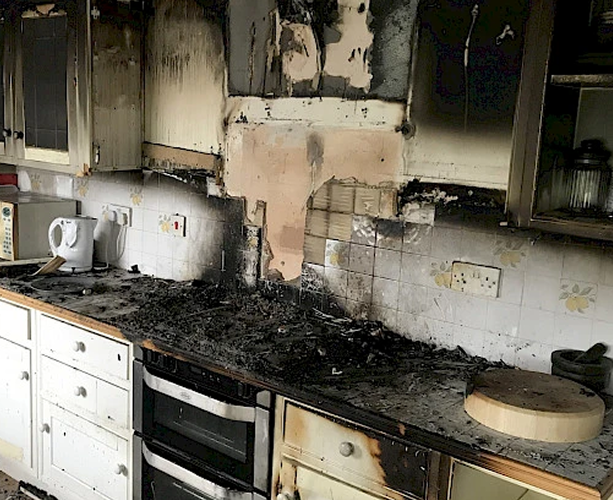
Fire and smoke damage
Hose water soaks plaster and basements, and mold grows if they stay wet. Soot, odor, and water are all handled before rebuilding.
More about fire damage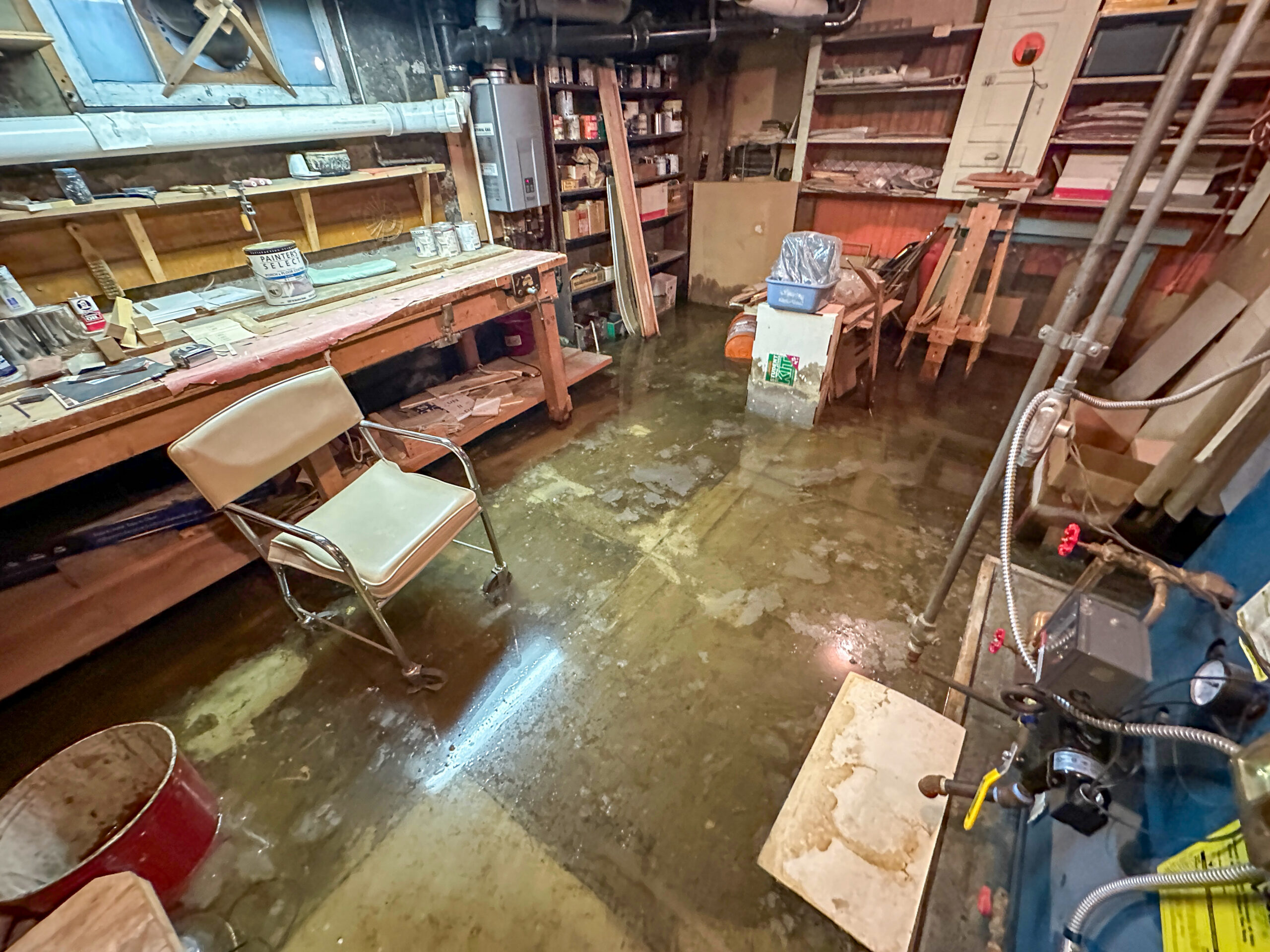
Water damage
A sewer backup or seeping basement grows mold quickly in Missouri humidity. It is pumped out and the framing dried.
More about water damage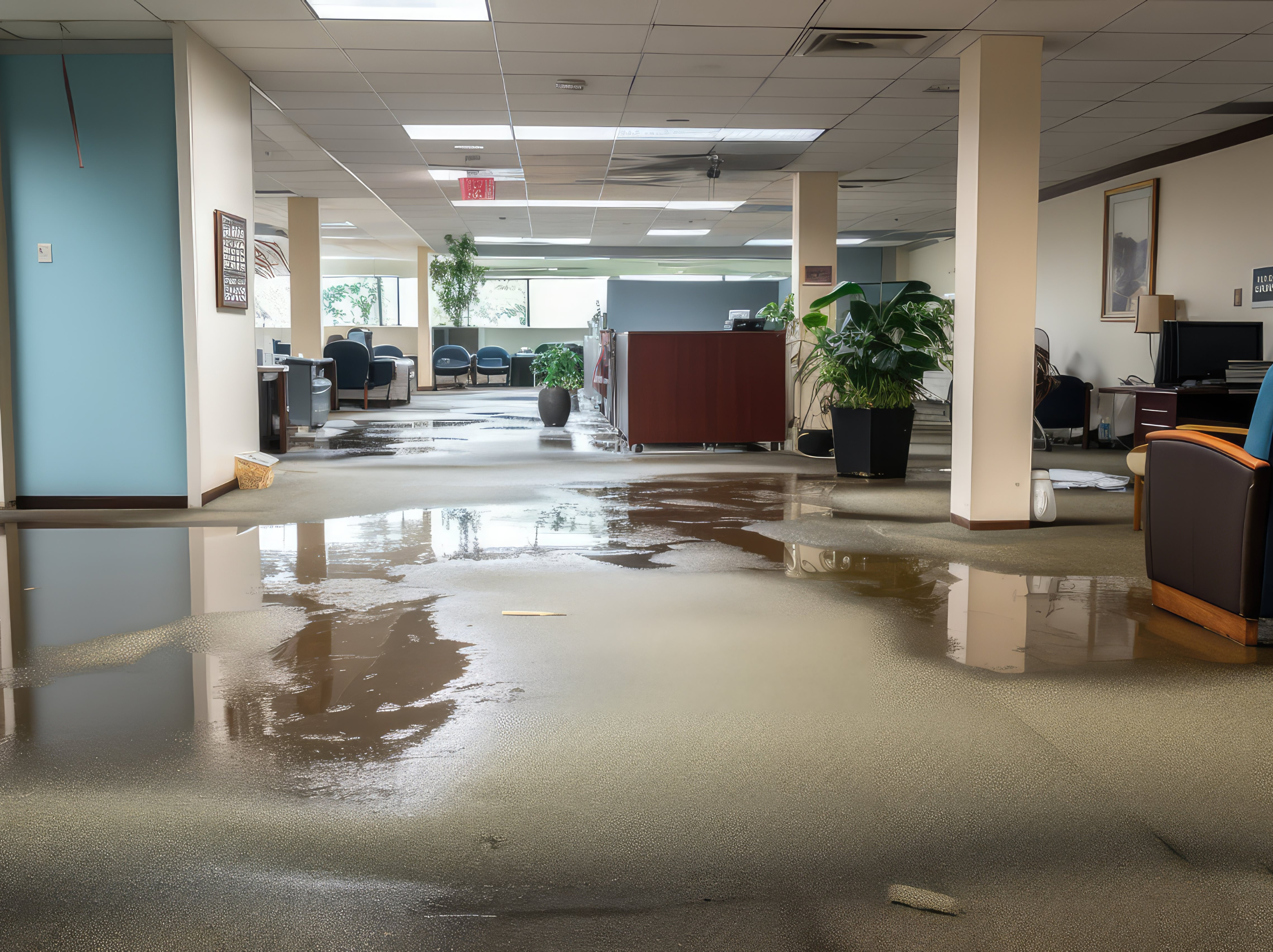
Commercial restoration
In loft buildings, damp in one unit can feed mold in the next. We schedule work around your hours.
More about commercial restoration
Reconstruction
After clearance testing, the plaster and basement walls that came out are rebuilt.
Ask about repairsWater, mold, or storm: not sure which you're dealing with?
Send our office a phone photo, and a project lead will tell you which service fits.
Call 24/7, day or night(417) 262-6233
Step by step
Our Mold Remediation Process in St. Louis
How a St. Louis job runs, from call to walkthrough.
You call, and we contain the area
Dial (417) 262-6233 day or night. Plastic sheeting and negative air keep spores inside the work zone.
We inspect and document
We find the source, usually a damp brick basement, a sewer backup, or a roof leak, and photograph the growth.
We remove and dry
Moldy drywall, plaster, and insulation come out, framing is cleaned, and dehumidifiers bring readings down.
We restore and test
Walls go back after a clearance test confirms the air is clean.
Smell something musty but can't see mold?
That usually means moisture somewhere nearby. Call our St. Louis office and we'll tell you where to look.
Insurance and claims
How Insurance Handles Mold Damage in St. Louis
Mold is usually covered only when a sudden covered loss caused it. Mold from long-term basement seepage usually is not. Coverage depends on your policy.

What your adjuster will want
- When you first saw growth or smelled must, and the water you suspect
- Snapshots from the basement, the attic, and any room with spots or a musty smell
- Any MSD, plumber, or roofer records tied to the water
- Receipts for a dehumidifier or quick fixes
What we send them
- Photos inside each sealed work area
- A room-by-room list showing where we found growth
- Line items for containment, removal, and putting rooms back together
- A written finding on whether a sewer backup or a covered leak fed the mold
Where Our St. Louis Team Works
We serve St. Louis and nearby communities in St. Louis County and Jefferson County, including those listed below.
Up to 45 miles around St. Louis
Not sure if you're in range? Call (417) 262-6233 and ask.
Including
- Arnold
- Fenton
- Florissant
- Chesterfield
Nearby locations
Looking for a Different Location?
On the wrong page, or is another location closer to you? Here are our nearest locations.
Kansas City, MO
View mold remediation servicesNashville, TN
View mold remediation servicesChicago, IL
View mold remediation services
How fast can you get to me?
We can be at your door within 40 minutes. Call (417) 262-6233 and give us your address.
Will a Missouri homeowners policy pay for mold removal?
Generally only when a covered event, like a burst pipe, caused it. Long-term basement seepage usually is not covered.
Can a sewer backup leave mold in a St. Louis basement?
Yes. Sewer water soaks drywall, carpet, and stored items, and those materials grow mold if they are not removed and the space dried. Older parts of the city with combined sewers see this most.
Can mold hide behind plaster in an older St. Louis home?
Yes. Plaster over wood lath or masonry holds moisture longer than drywall, so a slow leak can feed mold out of sight.
Will running a dehumidifier in the basement get rid of mold?
No. It helps with Missouri humidity, but existing mold has to be removed with the material it grew on.
Can mold return after it is removed?
Not if the water source is fixed, so we address the seepage, sewer backflow, or leak during the job.
Do you handle mold in St. Louis apartments and loft buildings?
Yes. Building managers get our written findings before removal and repairs begin.
What does mold removal cost in St. Louis?
It depends on the area, the materials involved, and the repairs. Request a written estimate below and we will copy your adjuster.
Can we stay home during removal?
Usually, while the work stays in the basement. Containment in bedrooms may mean a short stay elsewhere.
Day or night
Found Mold in Your St. Louis Home?
Call (417) 262-6233, 24/7, day or night. We can be at your door within 40 minutes.
Call 24/7, day or night(417) 262-6233Or ask for a free inspection online
Leave your name and number, and a St. Louis project manager will call.
Need help now? Call (417) 262-6233