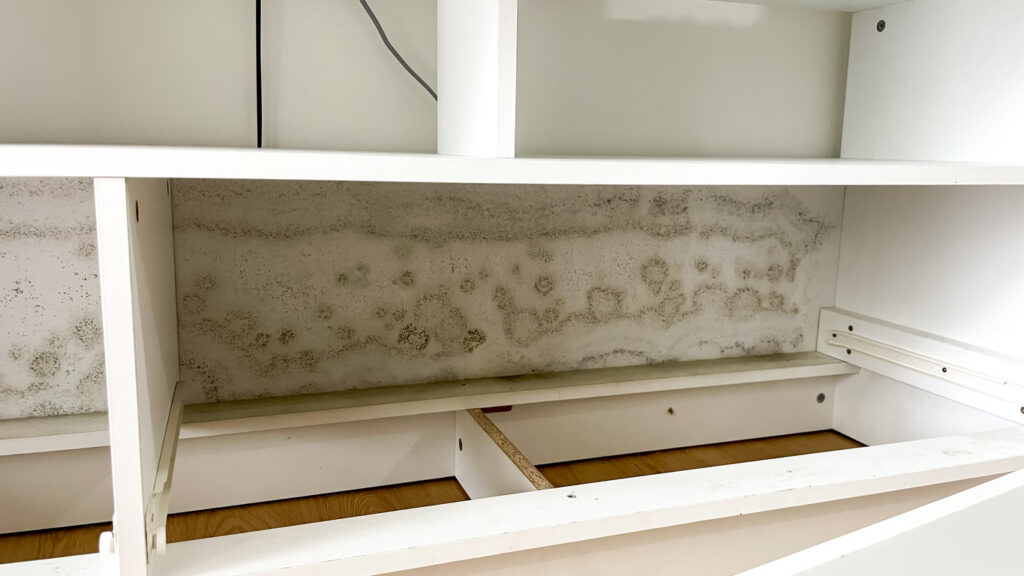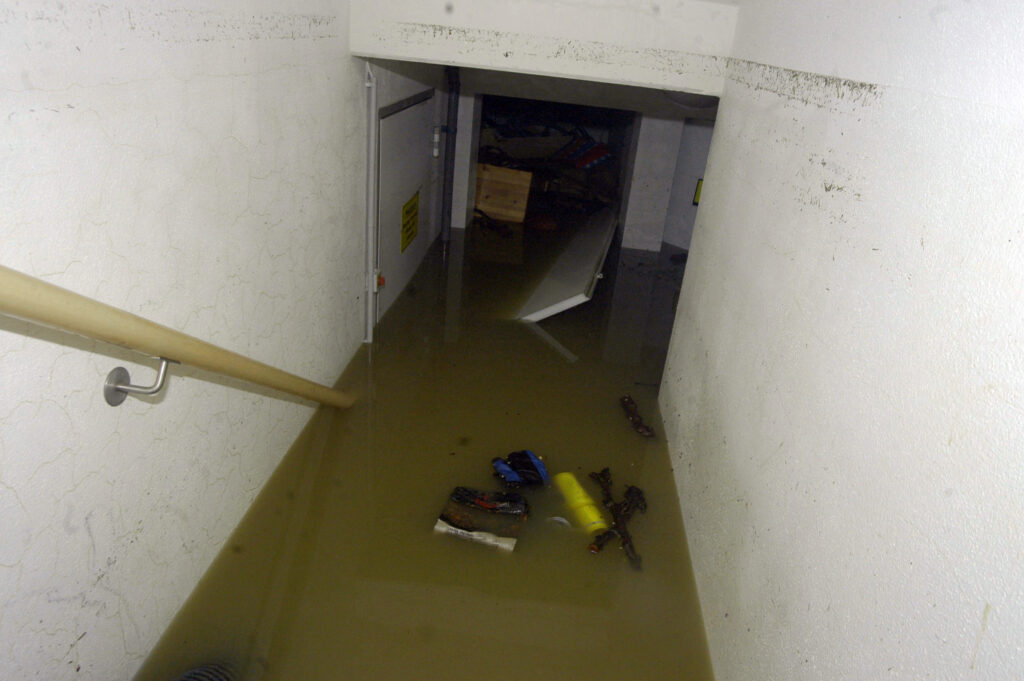
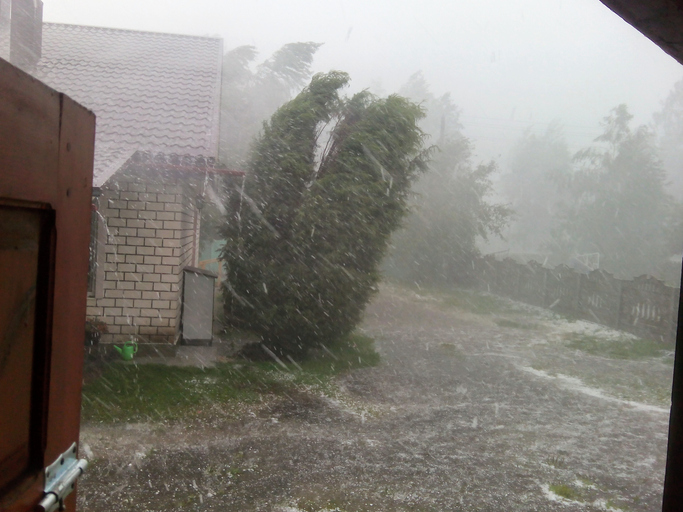
Storm season brings torrential rain, powerful winds, frightening lightning, and unexpected power issues — all of which threaten your home. A little storm prep before inclement weather arrives significantly reduces the risk of costly water or fire damage.
By taking proactive steps now, you can protect your property, keep your family safe, and avoid emergency repairs later.
Below are some practical steps you can take to prepare your home for storm season and reduce the risk of water and fire-related damage.
Inspect and Maintain Your Roof
Your roof is your home’s shield against storms. And depending on where you live, even small issues can lead to substantial water damage during heavy rainfall.
Before storm season begins, inspect your roof for:
- Missing, Cracked, or Curling Shingles
- Damaged Flashing Around Chimneys and Vents
- Soft Spots or Sagging Areas
- Signs of Leaks in the Attic
If you notice any problems, schedule repairs right away. A professional inspection can also help catch hidden damage before it turns into a major leak.
Pro Tip: Take photos of your roof after maintenance or repairs. If storm damage occurs later, having “before” photos can make insurance claims easier.
Not sure what to do in a water damage emergency? We’ve got you covered: Water Damage Emergency: What to Do Immediately After Water Invades Your Home
Clean and Secure Gutters and Downspouts
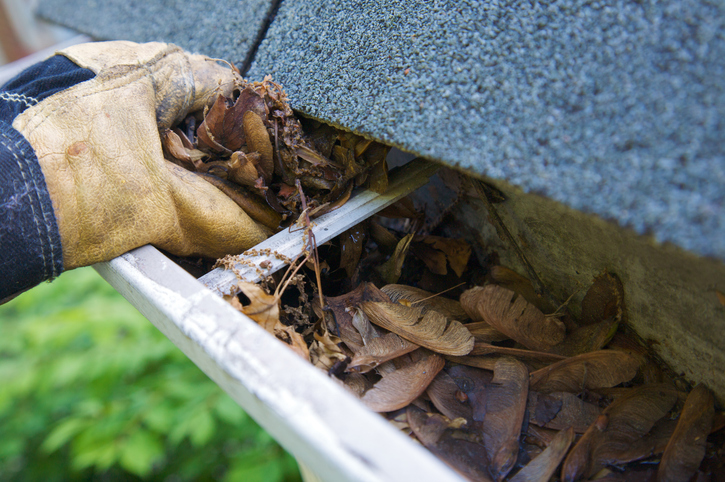
Clogged gutters are a common cause of water damage during storms. If rainwater can’t flow properly through the drainage system, it overflows and seeps into your home’s foundation, siding, or basement.
Make sure to:
- Remove leaves, sticks, and debris from gutters.
- Check for loose or sagging sections.
- Ensure downspouts extend at least 3–5 feet away from your home.
- Install gutter guards if trees surround your home.
Proper drainage helps direct water away from your home and prevents pooling around the foundation.
Pro Tip: Test your gutters with a garden hose after cleaning them. If water pools or spills over, you may need to adjust the slope or clear hidden blockages.
For more common causes of residential water damage, read our guide: Top 5 Common Causes of Residential Water Damage
Protect Electrical Systems and Fire Risks
Storms don’t just bring water — they can also create fire hazards. Lightning strikes, power surges, and damaged wiring can all increase the risk of electrical fires.
To protect your home:
- Install surge protectors for major appliances and electronics.
- Unplug sensitive electronics during severe storms.
- Check outdoor electrical wiring and fixtures for damage.
- Keep flammable materials away from electrical panels and outlets.
Additionally, ensure your smoke detectors are working properly and replace batteries if needed.
Consider installing a whole-home surge protector. It provides an extra layer of protection for your electrical system during lightning storms.
Check Windows, Doors, and Seals
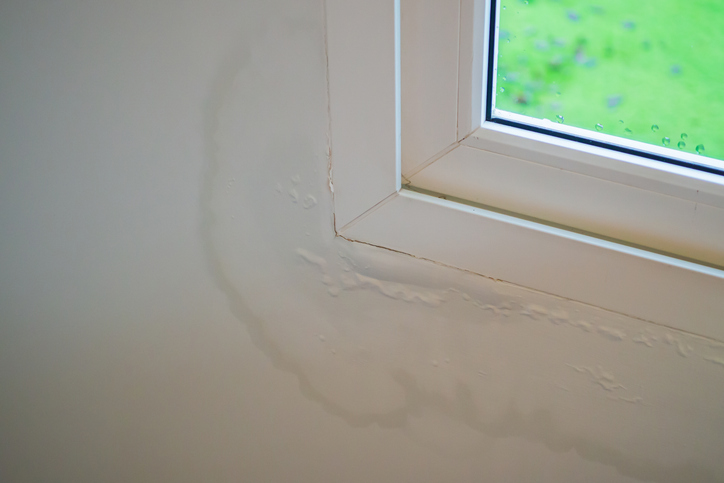
Strong winds and driving rain force water through small openings around windows and doors.
Inspect your home for:
- Cracked or Worn Caulking
- Damaged Weather Stripping
- Loose Window Frames
- Gaps Around Exterior Doors
Replacing seals and applying fresh caulk helps prevent water from entering your home during heavy storms. Run your hand around windows and door frames on a windy day. If you feel air movement, there’s likely a gap that needs to be sealed.
Create an Emergency Storm Plan
Even with the best preparation, storms can still cause unexpected damage. Having a disaster plan in place can help your household respond quickly and safely.
Your storm preparedness plan should include:
- Emergency Contact Numbers
- A Basic Disaster Supply Kit
- How to Shut Off Utilities
- A plan for Protecting Valuables
Knowing what to do during and after a storm can minimize damage and speed up recovery. Store important documents in a waterproof, fire-resistant container to keep them safe during storms or emergencies.
Storm-Proof Your Home Before the Next Big Weather Event
Preparing your home for storm season doesn’t have to be complicated. By inspecting your roof, maintaining gutters, protecting electrical systems, sealing windows, and creating an emergency plan, you can significantly reduce the risk of water and fire damage.
Storms may be unpredictable, but proactive home maintenance can make a big difference when severe weather strikes. If your property does experience damage, contact A1 Restoration right away. Our experts will help you recover quickly and safely!