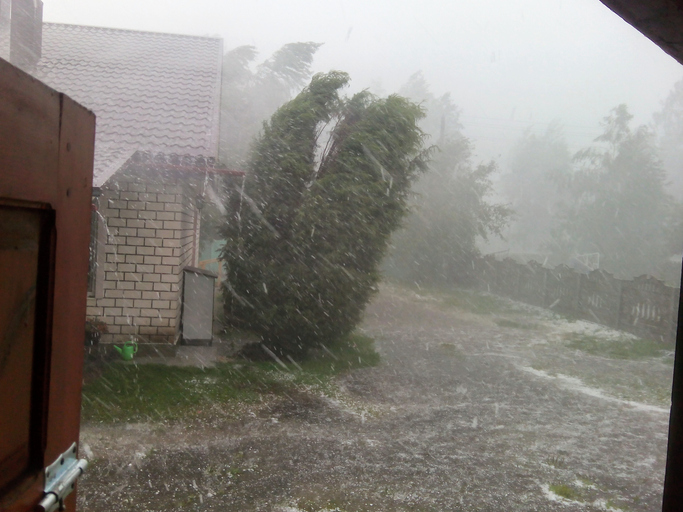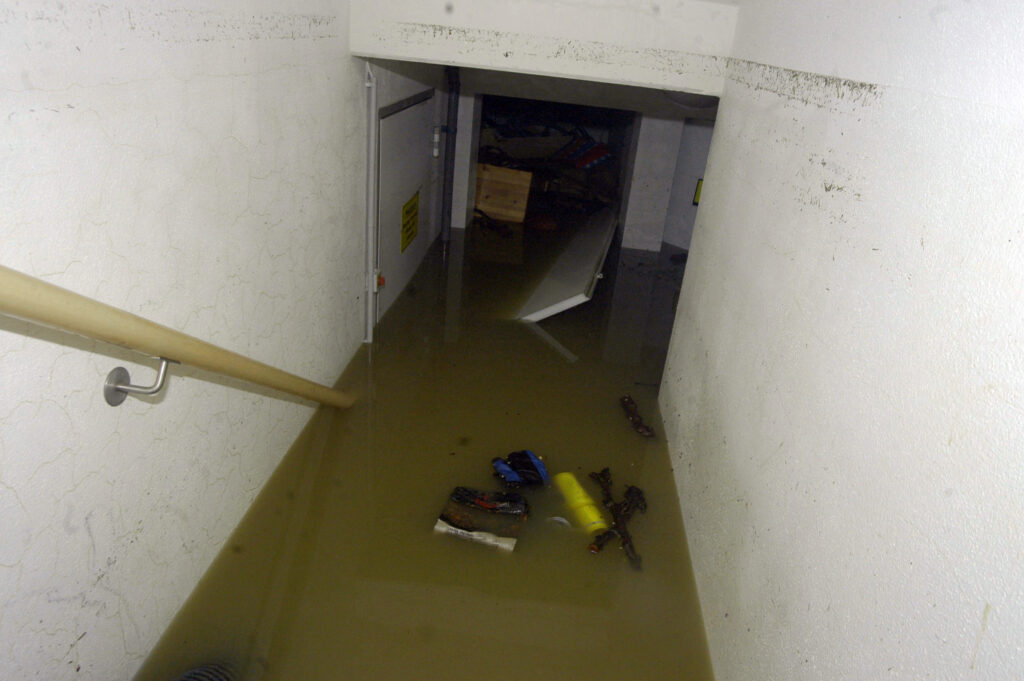
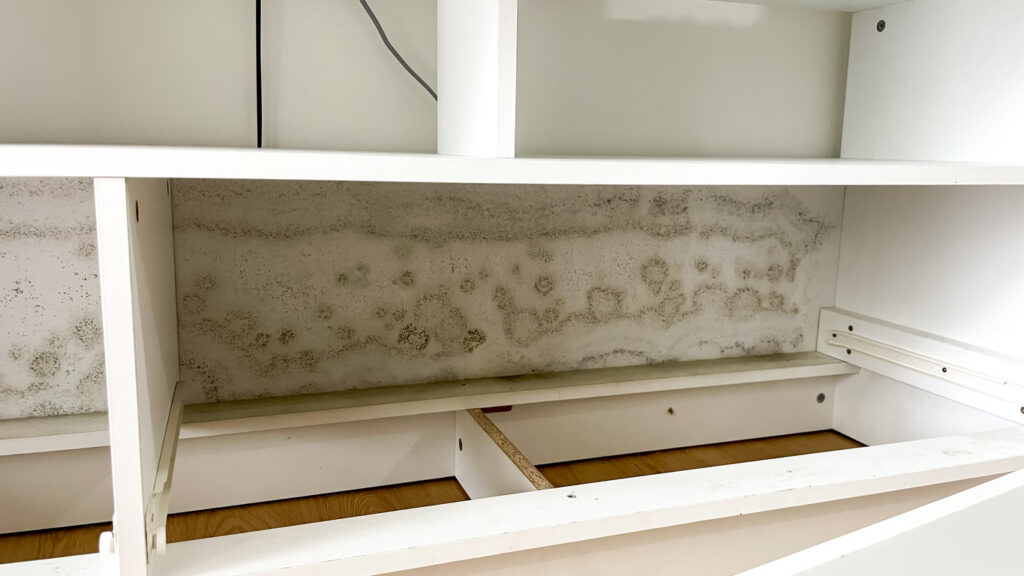
Water damage often escalates quickly, but what many homeowners fail to realize is just how fast mold follows. For homeowners and business owners alike, knowing the timeline of mold growth is central to preventing long-term structural damage and health risks.
Here’s what you need to know.
How Quickly Can Mold Start Growing?
Mold starts growing in as little as 24 to 48 hours after water damage. It just needs a little moisture, organic material (like drywall or wood), the right temperature, and it’s on its way.
Once these conditions are met, mold spores — naturally present in the air — settle and begin colonizing damp surfaces immediately.
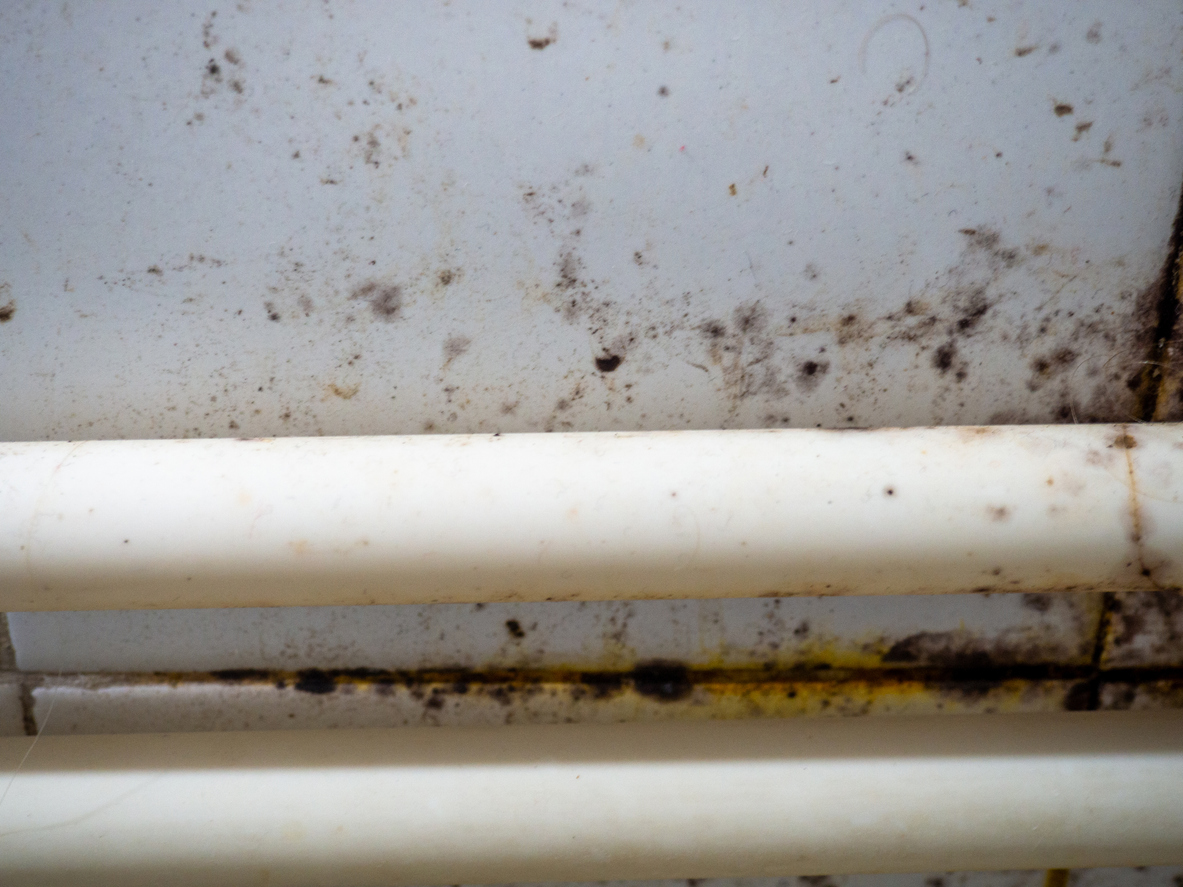
Typical mold growth timeline:
- 0–24 hours: Water saturates materials; no visible mold yet
- 24–48 hours: Mold spores begin to grow
- 48–72 hours: Colonies start forming and spreading
- 3–7 days: Visible mold patches and potential odors develop
Pro Tip: Even if surfaces look dry, hidden moisture behind walls or under flooring can still support mold growth — professional moisture detection is key.
Learn the top causes of residential water damage here: Top 5 Common Causes of Residential Water Damage
What Factors Affect the Speed of Mold Growth?
Not every water damage incident leads to mold growth at the same rate. There are several variables that influence how quickly mold spreads:
- Humidity Levels: High humidity accelerates growth.
- Temperature: Mold thrives between 77°F and 86°F.
- Type of Water: Clean water vs. contaminated water (gray/black water speeds growth).
- Material Type: Porous materials like carpet and drywall are more vulnerable.
- Ventilation: Poor airflow traps moisture and encourages mold.
For example, a humid basement with soaked carpet will develop mold much faster than a well-ventilated room with minimal water exposure.
Pro Tip: Running dehumidifiers and increasing airflow immediately after water damage can significantly slow mold growth.
Is your home ready for storm season? Read our guide for more info: Preparing Your Home for Storm Season: Water & Fire Damage Prevention
Where Mold Commonly Grows After Water Damage
Mold isn’t always in obvious places. It often grows in hidden and hard-to-reach areas, making it difficult to detect early.
Common problem areas include:
- Behind Drywall and Insulation
- Under Flooring and Carpets
- Inside HVAC Systems
- Around Windows and Door Frames
- In Basements and Crawl Spaces
Because mold can spread behind surfaces, what looks like a small issue may actually be a much more substantial problem. If you notice musty odors but no visible mold, it’s often a sign of hidden growth that requires a professional inspection.
Why Fast Action Matters
Delaying cleanup after water damage significantly increases the risk of mold growth. Once mold takes hold, it can:
- Weaken Structural Materials
- Spread to Unaffected Areas
- Trigger Allergies and Respiratory Issues
- Increase Restoration Costs
The first 24–48 hours are critical for preventing mold growth. Acting fast means the difference between a simple cleanup and a major mold remediation project.
Pro Tip: Always treat water damage as urgent — even small leaks can lead to big mold problems if left untreated.
Not sure what to do immediately after water damage? We’ve got you covered: Water Damage Emergency: What to Do Immediately After Water Invades Your Home
Catch Mold Before It Spreads
Mold doesn’t wait, and neither should you. The faster you respond to water damage, the better your chances of avoiding costly repairs and health risks.
At A1 Restoration, our team specializes in rapid water extraction, drying, and mold prevention to protect your property from further damage. Whether it’s a burst pipe, flooding, or a hidden leak, we’re ready 24/7 to help you take control before mold takes over.
Don’t delay — contact A1 Restoration today for fast, professional water damage and mold remediation services.