
24/7, day or night Greater Denver
Mold Remediation in Denver, CO
A stale basement smell, gray dots near the swamp cooler line, or a damp patch after a leak all point to water where it shouldn't be. A1 Restoration removes mold from Denver homes, beginning with the basement seep, cooler leak, or hidden pipe that started it.
Free inspectionCall 24/7Tap to call · Free inspection(720) 964-2623Ring the Mile High line at 6 a.m. or midnight and a person picks up. We can be at your door within 40 minutes.
Free inspections and estimates
 IICRC Certified Firm

“A1 Restoration did an excellent job helping us with our flooding and mold issues. From the beginning, the team was friendly, professional, and very responsive.”“A1 Restoration did an excellent job helping us with our flooding and mold issues.”










Why speed matters
Why Mold Keeps Spreading Once It Starts
Damp drywall is enough for mold; standing water isn't required. Behind a finished basement wall, moisture can grow mold for weeks even in Denver's dry air.
The mold you can see is only part of the work. Snowmelt seepage, a swamp cooler drip, or a hidden leak will restart it unless fixed.
Denver's dry climate generally works against mold, but a leak or flood that is not dried fast, especially in an enclosed basement, can still grow it just as easily as in a humid city. Evaporative cooler leaks and burst pipes from sudden hard freezes are common local sources of the kind of trapped moisture mold needs. We work across Denver, Aurora, Lakewood, and the rest of the Front Range.
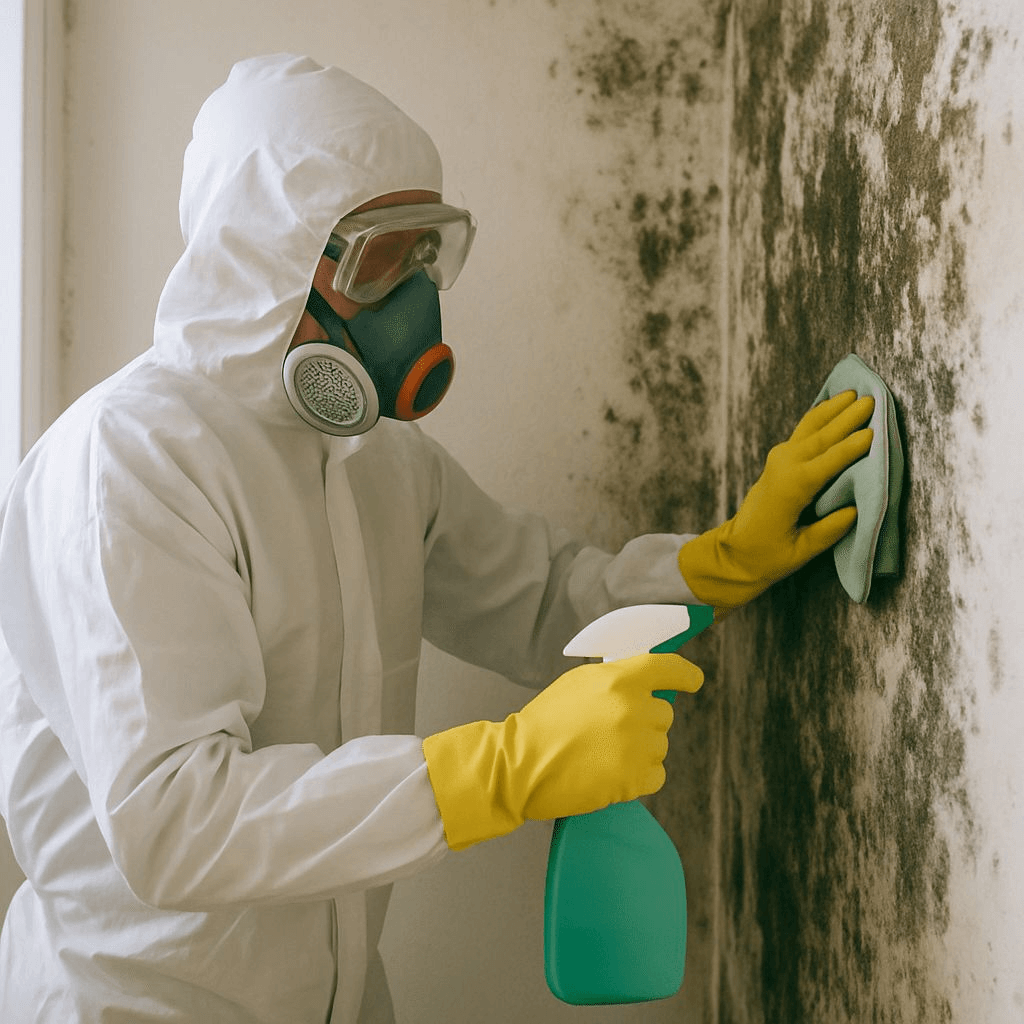
What a mold remediation job involves
What the job includes
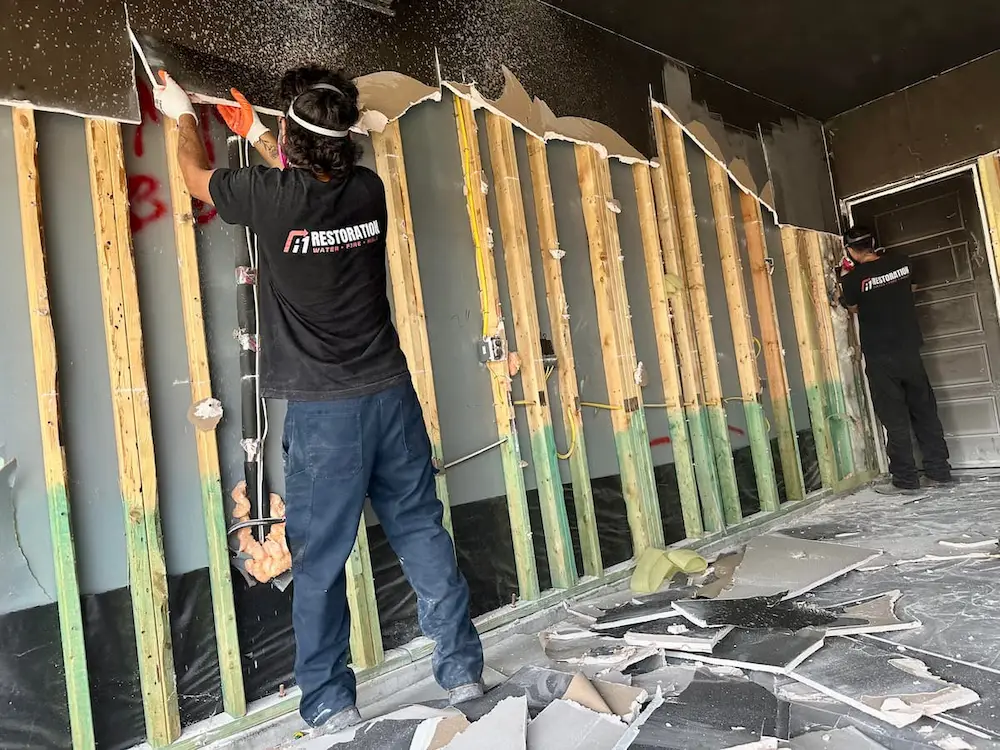
Tracking the water, tenting the room, cutting out the growth, and putting it back dry.
How long it takes
A closet is quick; a whole basement takes longer. A clearance test confirms the finish. Rebuilding walls or carpet adds a few days.
What shapes the estimate
Affected area, materials, and repairs after. The price is approved by you before anything starts.
Your first visit
Inspection first, then a written price, at no charge.
Call 24/7, day or night(720) 964-2623
Right after you find it
First Steps After Finding Mold in Denver
A patch of mold is no reason to pack up. Use these steps to hold it where it is.
Not sure what to do first? Call (720) 964-2623 and we will talk you through it. You can call us and your insurance company in either order.
What to do
Close off the room
Keep the room or basement door closed to contain spores.
Photograph everything
Take photos for your claim, then leave it alone.
Call your insurance company
Report it to your insurer and save the claim number.
What not to do
Skip the bleach
Scrubbing launches spores into the air.
Turn off the cooler and furnace fan
Moving air can carry spores into every room.
Do not paint over it
Fresh paint hides the stain for a few weeks while the mold keeps growing.
Common mold damage
Where Mold Grows in Denver Homes
Denver mold usually grows in finished basements, behind coolers, or where water got in after hail.
Basements after a leak or snowmelt
Finished basement walls and carpet stay damp after a leak or spring melt.
Crawl space moisture
A crawl space under an older home can hold damp air and soil moisture against the joists.
Attic frost in winter
On subzero nights, house air slipping into the attic freezes on the decking and drips at the next chinook.
Evaporative cooler leaks
A swamp cooler with a bad float can keep the ceiling under it damp all summer.
Mold after a hidden leak
A tiny supply-line leak behind a bathroom vanity can keep the wall wet for weeks.
More about water damage restorationMold after hail damage
Water that came in through hail-bruised shingles can leave mold in the attic.
More about storm damageBathrooms without exhaust fans
Shower steam with nowhere to go settles on the ceiling every day.
What we do
How We Remove Mold and Stop It From Returning
Denver mold almost always has a water story behind it, whether March melt in the basement, a dripping cooler pan, or roof frost after a cold snap, and that gets fixed before removal.
Poly walls go up around the area, and a filtered air machine pulls spores out instead of letting them reach the stairs.
Basement drywall, carpet, and insulation the growth reached are cut out, and joists and studs are treated.
Drying is quick at this altitude once the source stops, but an air test still has to pass before rebuilding.
Why where the mold started matters
| Where the mold started | What it usually means | How we handle it |
|---|---|---|
A basement after snowmelt seepage | Growth along the lower walls and on stored items | The growth comes out, the wall dries, and we point to the crack or window well letting melt in. |
A crawl space under an older home | Mold on joists from trapped moisture | Joists are scrubbed and sealed, and we suggest how to keep the space drier. |
An evaporative cooler leak | Mold in the ceiling and attic under the cooler | Treated after the cooler is repaired, with wet ceiling drywall replaced. |
Roof-deck frost after an arctic week | Black speckling across the underside of the sheathing | We treat the boards and suggest the vent or insulation fix that stops the frost. |
Water left after a hail leak | Hidden growth in an upstairs wall or ceiling | Traced to the remaining moisture, then removed. |
What can be saved
What We Can Save From Mold Damage
Denver's dry air limits mold, so it mostly grows where water got trapped, often in a basement. Hard surfaces usually clean up, soft materials it rooted into usually go, and testing decides the rest.
- Usually saved
- Depends on how far it reached
- Usually replaced
Poured basement walls
Usually savedConcrete cleans up once the melt or leak is stopped.
Joists and studs
Usually savedWood is sanded or scrubbed and sealed where it stands.
Rec room drywall
Depends on how far it reachedA few surface spots can be cleaned, and boards with growth inside are cut out.
Carpet in a basement bedroom
Depends on how far it reachedA light film may clean off, but carpet sitting on a damp slab is pulled.
Stored items in the basement
Depends on how far it reachedHard items clean up. Cardboard and fabric usually do not.
Batts in the attic or exterior walls
Usually replacedBatts with mold in them are bagged and replaced.
More than mold
More Restoration Services From Our Denver Team
Every Denver mold job starts with tracking down the water.
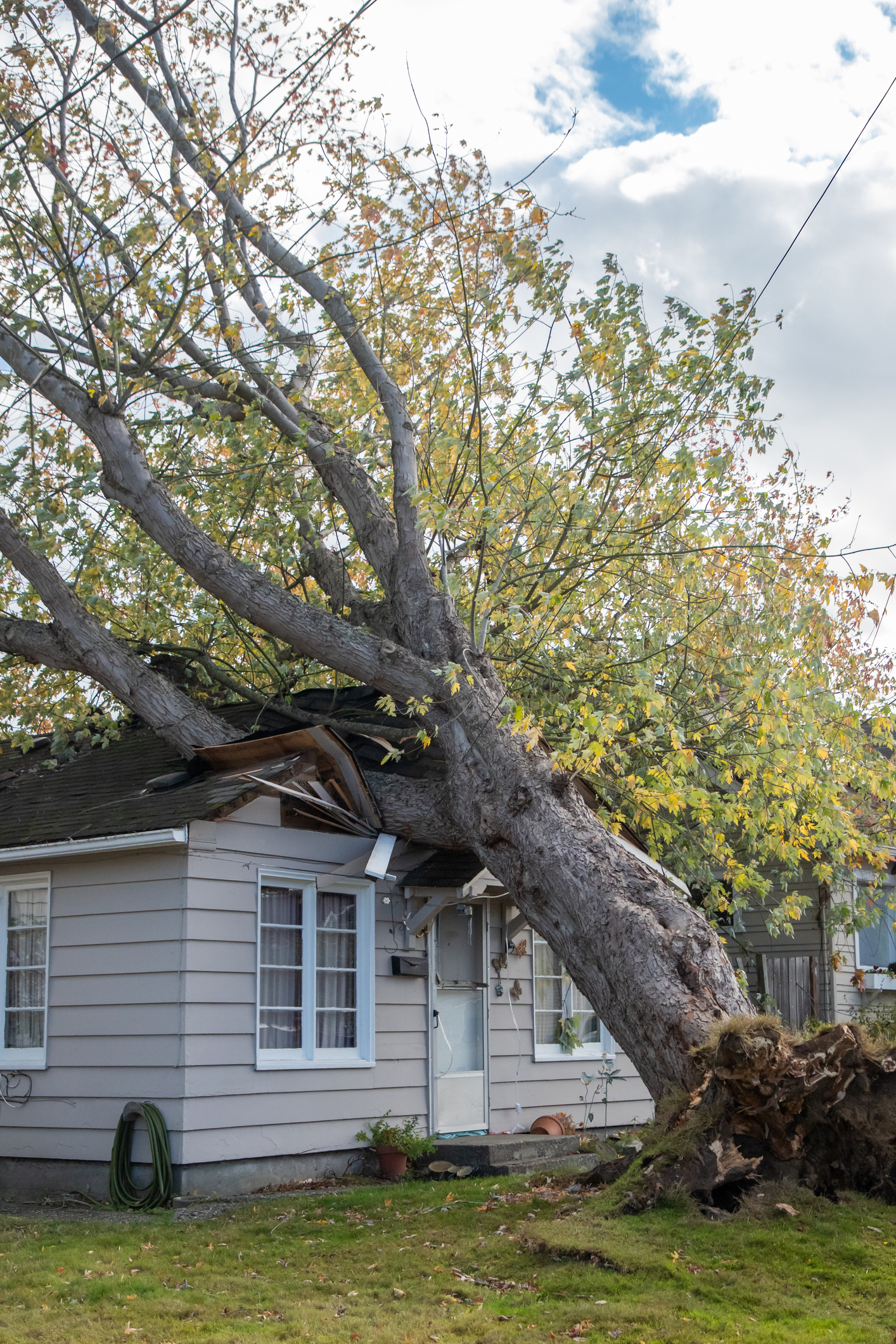
Storm damage
Hail-bruised shingles leak, and the attic grows mold from that water. We cover the roof and repair inside.
More about storm damage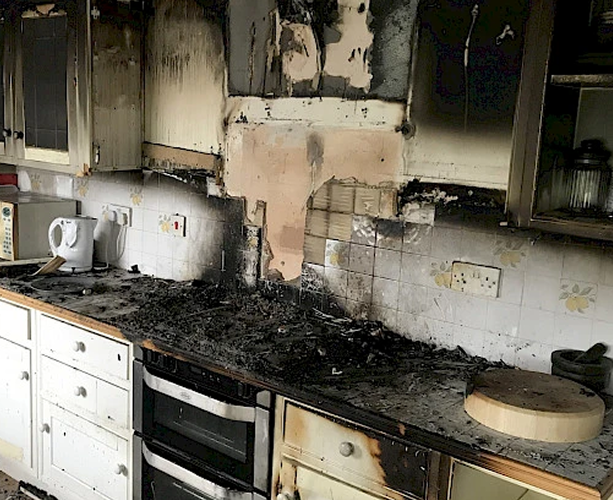
Fire and smoke damage
Walls soaked by fire hoses grow mold if nobody dries them. We clean, dry, and rebuild.
More about fire damage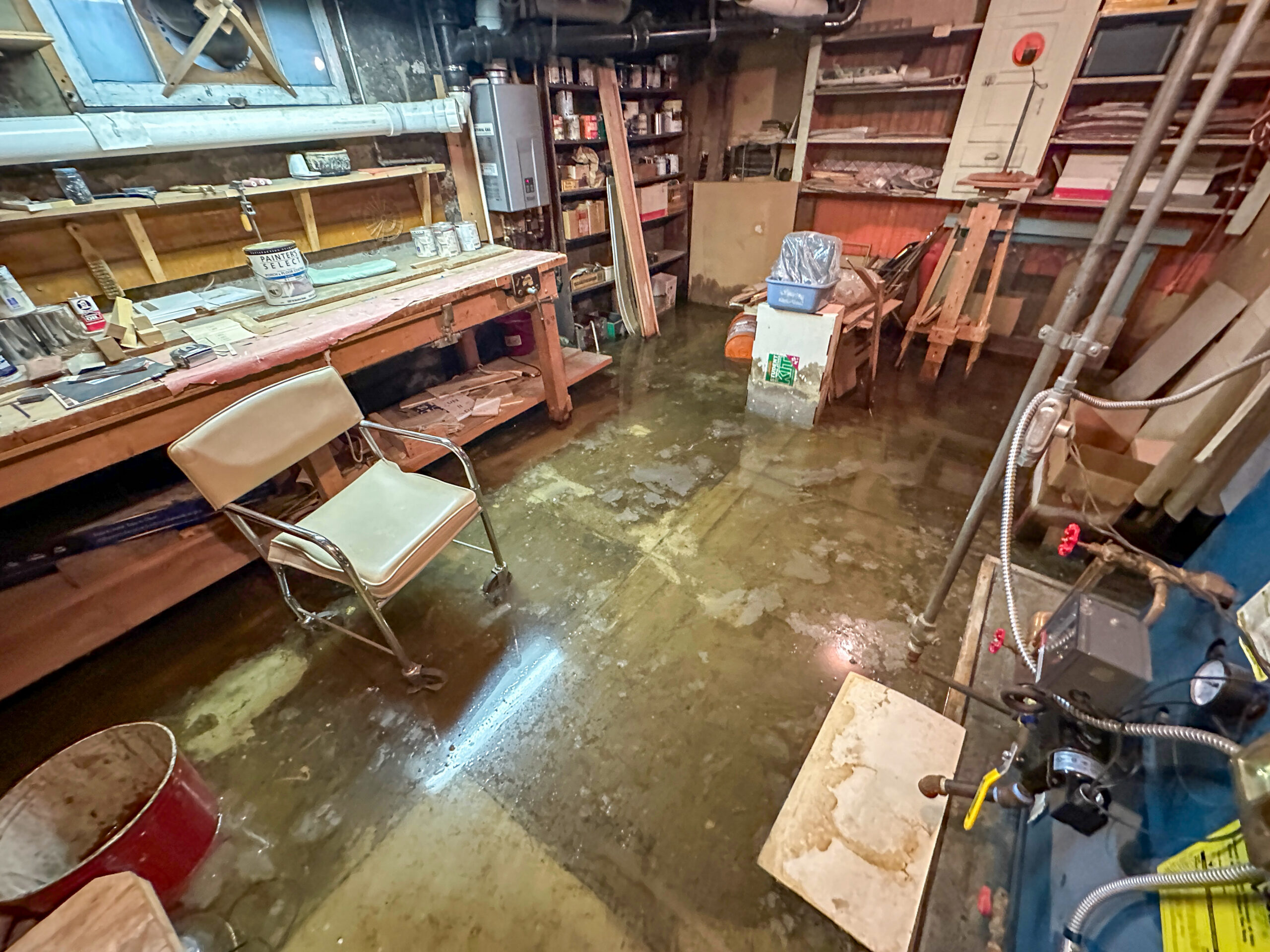
Water damage
A wet finished basement becomes a mold problem within days. We extract it and dry the framing.
More about water damage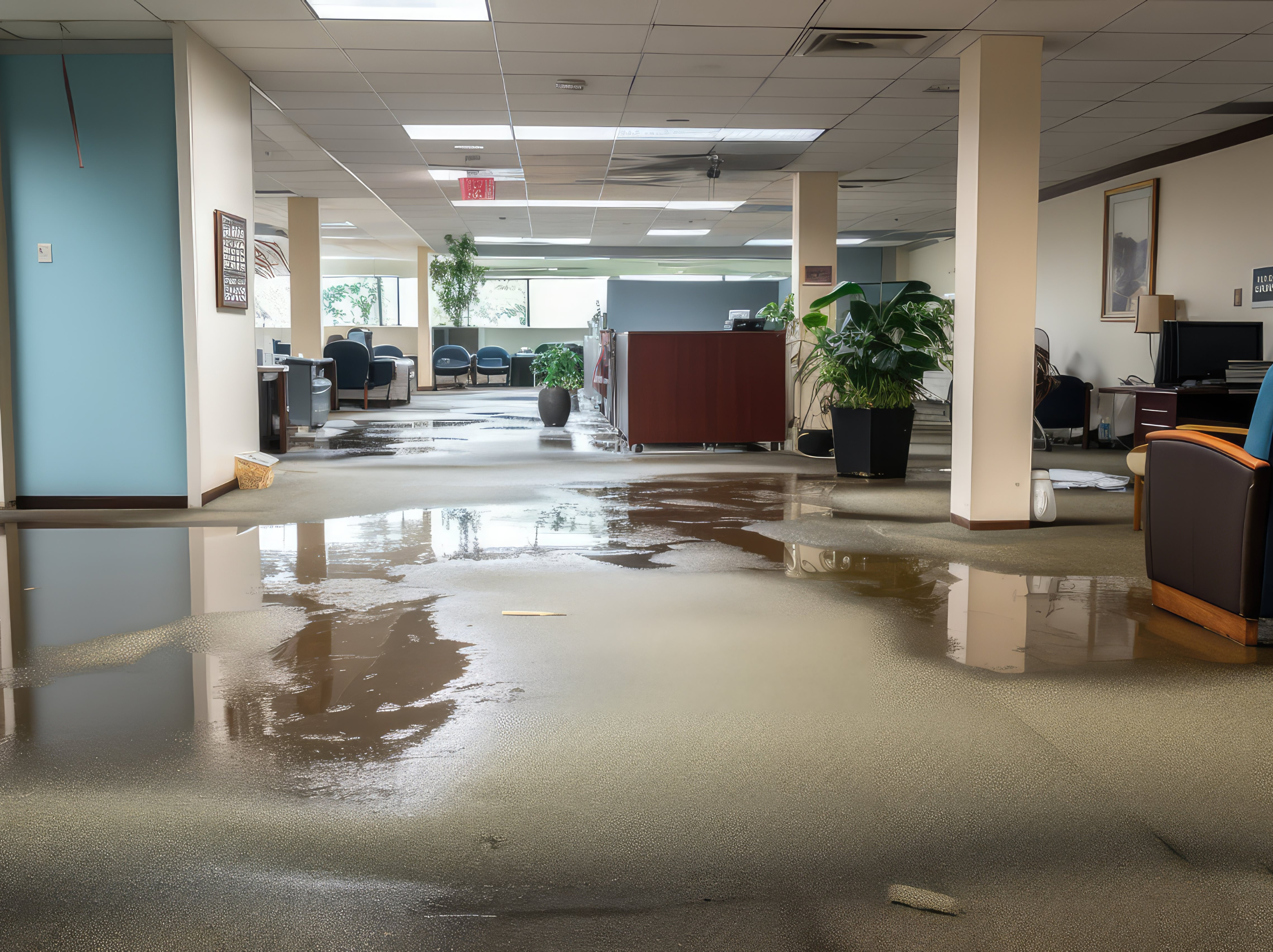
Commercial restoration
Moisture behind one tenant's wall can grow mold in the next suite. We schedule around your hours.
More about commercial restoration
Reconstruction
When clearance testing is complete, we replace the walls and floors that were removed.
Ask about repairsUnsure what kind of damage you have?
Text a photo to our Denver line and we'll tell you which service it falls under.
Call 24/7, day or night(720) 964-2623
Step by step
Our Mold Remediation Process in Denver
How a Denver job runs, from call to final walkthrough.
You call, and we section it off
Reach us at (720) 964-2623 24/7. We tent the area and run negative air so spores stay put.
We inspect and document
We locate the moisture, often snowmelt seepage, a cooler leak, or an old plumbing drip, and photograph the growth.
We remove it and dry
Affected drywall and carpet are bagged out, framing is HEPA-vacuumed and treated, and the space is dried.
We rebuild and test
After a clean air test, walls and floors are rebuilt.
Smell something musty but can't see mold?
That usually means moisture somewhere nearby. Give our Denver office a call for advice on where to look.
Insurance and claims
How Insurance Handles Mold Damage in Denver
Most Colorado policies cover mold only as part of a covered event, such as a sudden pipe break. Mold from ongoing seepage usually is not. Coverage depends on your policy.

What your adjuster will want
- The date you spotted growth and whether melt, a cooler, or a leak is behind it
- Pictures of the basement, attic, and affected rooms
- Records of the leak, cooler problem, or snowmelt behind it
- Bills for emergency fixes
What we send them
- Photos inside each sealed area
- A note on what the mold grew on and where
- Line items for containment, removal, and rebuilding
- Answers for the adjuster about the leak or seepage behind it
Where Our Denver Team Works
We serve Denver and the surrounding metro communities, including those listed below.
Up to 45 miles around Denver
Not sure if you're in range? Call (720) 964-2623 and ask.
Including
- Aurora
- Golden
- Parker
- Boulder
- Brighton
- Lakewood
- Longmont
Nearby locations
Looking for a Different Location?
On the wrong page, or is another location closer to you? Here are our nearest locations.
Colorado Springs, CO
View mold remediation servicesSalt Lake City, UT
View mold remediation servicesOklahoma City, OK
View mold remediation services
How fast can you get to me?
We can be at your door within 40 minutes. Call (720) 964-2623 and give us your address.
Will my Colorado insurance pay for mold removal?
Sometimes, if a covered water loss caused it. Ongoing seepage usually is not covered.
Does spring snowmelt cause basement mold in Denver?
It can. When heavy spring snow melts fast and seeps through older foundations, the drywall and carpet in a finished basement stay wet underneath, which is where mold starts.
Can mold grow in Denver's dry climate?
Yes. A leak behind a wall or under a basement floor stays wet because the dry outdoor air cannot reach it. Mold grows where the leak is, regardless of the dry air outside.
Will a dehumidifier get rid of mold?
No. A dehumidifier controls humidity but cannot remove growth that is already established.
Can mold come back once removed?
Only if the source is left alone, so we correct the seepage, leak, or cooler at the same time.
Can you remove mold in Denver commercial and multifamily buildings?
Yes. The manager gets our report, then we remove and repair.
What does mold removal cost in Denver?
Your estimate reflects the area affected, the materials, and the repairs. Use the form below for a written price, with a copy for your adjuster.
Can we stay home during removal?
Usually, when the work stays downstairs. If containment reaches the bedrooms, plan on a few nights away.
Day or night
Found Mold in Your Denver Home?
Call (720) 964-2623, 24/7, day or night. We can be at your door within 40 minutes.
Call 24/7, day or night(720) 964-2623Or ask for a free inspection online
Type in your name and number and a Denver project lead calls you back.
Need help now? Call (720) 964-2623