
24/7, day or night Greater Denver
Water Damage Restoration in Denver, CO
A burst pipe during a hard freeze, a failed evaporative cooler, or a flash flood after a sudden downpour can flood a Denver home fast. A1 Restoration dries out Denver homes after water damage, from a split pipe in a cold snap to a basement flooded by a cloudburst.
Free inspectionCall 24/7Tap to call · Free inspection(720) 964-2623Ring the Mile High line at 6 a.m. or midnight and a person picks up. We can be at your door within 40 minutes.
Free inspections and estimates
 IICRC Certified Firm

“…He arrived the same day despite being very busy when he got our call and got things drying with blowers and dehumidifiers within hours of the incident.”“…I highly recommend A1 if you are in need of restoration services.”










Why speed matters
Why Water Damage Spreads in Denver Homes
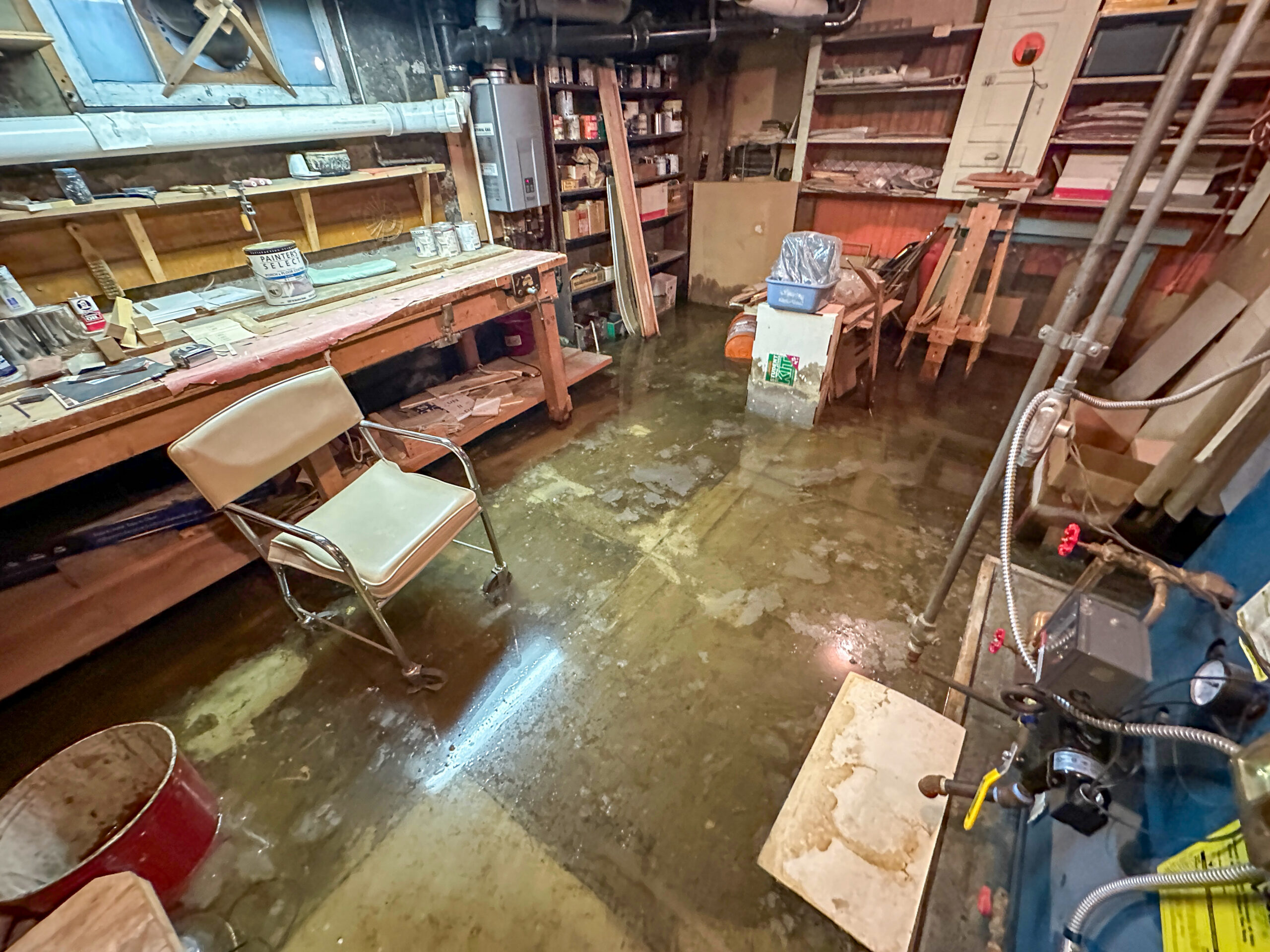
Mopping clears the floor. Mopping leaves the water already soaked into drywall, baseboards, and carpet pad. It climbs the basement drywall and creeps under the carpet.
Dry Denver air doesn't stop mold on wet basement board. Drying early keeps more of the basement.
Denver's dry climate means many homes still rely on evaporative coolers, often called swamp coolers, instead of standard AC, and a failed pump, overflowing pan, or cracked line on one of these units is a surprisingly common source of water damage. Sudden hard freezes can also catch pipes that were never insulated for extreme cold off guard. We work across Denver, Aurora, Lakewood, and the rest of the Front Range.
What a water damage job involves
What the job includes
Water removal, moisture checks, drying equipment, tear-out, sanitizing, and repairs.
How long it takes
Small leaks dry in a few days, while a flooded finished basement can take a week or more. The meter decides when it is dry. New cabinets, floors, or drywall add time.
What shapes the estimate
Gallons, clean or not, and rebuild size. The price is approved by you before anything starts.
Your first visit
Inspection first, then a written price, at no charge.
Call 24/7, day or night(720) 964-2623
Right after the leak
First Steps After Water Damage in Denver
After everyone is safe, follow these steps. Avoid any water that has reached outlets or the breaker panel. Only use a breaker while standing on dry ground.
Not sure what to do first? Call (720) 964-2623 and we will talk you through it. You can call us and your insurance company in either order.
What to do
Shut off the water
Close the valve at the leaking sink, toilet, or washer. Can't find it? Close the main, usually on the basement wall by the meter.
Photograph everything
Take photos of the leak and every affected room for your insurer.
Call your insurance company
Report it to your insurer and save the claim number.
What not to do
Do not use a household vacuum
Household vacuums are not rated for water and can cause a shock.
Do not stand under a wet ceiling
A bulging ceiling is holding water and can drop. Close that door until our crew arrives.
Do not touch sewage water
If it came up the floor drain, treat it as sewage. Keep kids and pets away from it.
Common water damage
Where Water Damage Starts in Denver Homes
Most Denver water calls trace back to a frozen line, a hail-cracked roof, a leaky swamp cooler, or a basement taking on melt.
Swamp cooler failures
A rooftop evaporative cooler with a stuck float or a cracked line can pour water into the ceiling below.
Burst and frozen pipes
An arctic cold front can freeze lines in exterior walls and unheated garages overnight.
Cloudburst flooding
A summer thunderstorm can drop heavy rain in minutes and push water through window wells into the basement.
Roof leaks after hail
Hail bruises shingles, and water finds the damage with the next storm.
More about storm damageMold after a leak
A finished basement left damp after a leak can grow mold, dry climate or not.
More about mold remediationBasement leaks after spring snowmelt
Heavy spring snow melts against the foundation and seeps through cracks and window wells.
Aging supply lines in older homes
Galvanized pipes in older Denver homes corrode from the inside and leak inside walls.
What we do
How We Get Your Property Dry
Denver calls tend to come after the weather swings: a pipe cracking in an outside wall during an arctic front, wet spring snow melting into a window well, or an evaporative cooler on a Highlands roof that will not shut off.
Our moisture survey starts downstairs, because so many Denver Squares, bungalows, and ranches have a finished basement where the water ends up, then works up through the brick-walled rooms above.
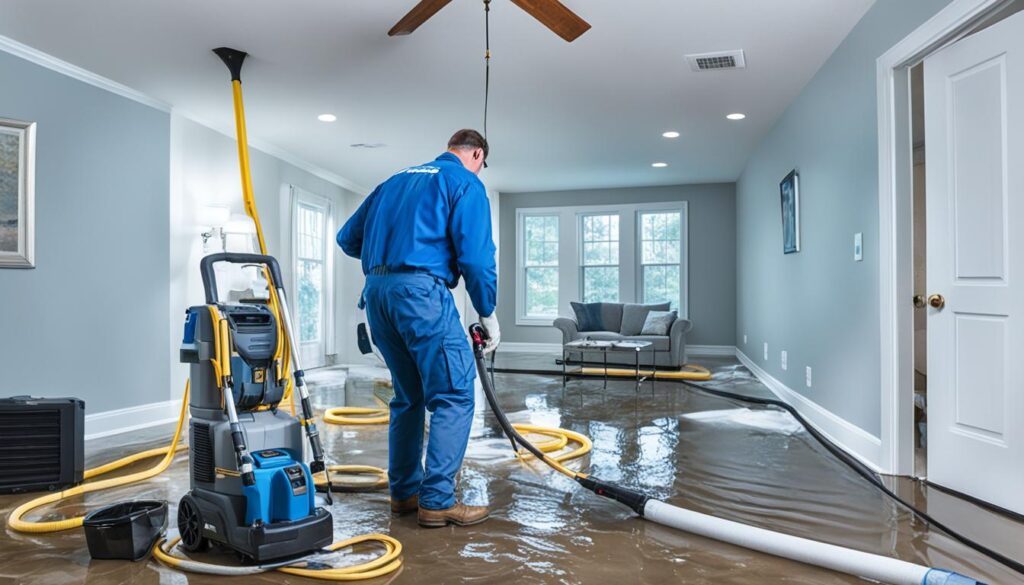
Saturated carpet and pad, the bottom of the basement drywall, and any trim the water swelled are taken out. Brick, concrete, and sound joists are dried as they are.
Mile-high air is dry, but a basement slab can stay damp for a long time, so the meters decide when drying ends and the rebuild begins.
Why the water’s source matters
| Source of the water | What it usually means | How we handle it |
|---|---|---|
A line that split during a January arctic front | Clean water in a wall cavity or basement ceiling | We open the drywall at the leak, dry the bay, and leave the line exposed for the plumber. |
A swamp cooler float stuck open | Water running across the roof and into the ceiling | The cooler feed is shut off, and the ceiling and attic below are dried or replaced. |
Heavy March snow melting along the foundation | Seepage through a basement wall or window well | Pumped and dried, with the soaked lower drywall and carpet removed. |
An August cloudburst over the Platte valley | Water entering through a window well or garage | Extracted and dried, with anything muddy treated as contaminated. |
Hail punching through old shingles | Rain through the attic into upstairs rooms | Dried inside while your roofer handles the shingles. |
What can be saved
What We Can Save and What Usually Goes
Denver houses are mostly brick above and finished basements below, and water usually ends up downstairs. What stays depends on the material, how clean the water was, and how long it sat.
- Usually saved
- Depends on the water and timing
- Usually replaced
Brick walls and chimneys
Usually savedDenver's brick dries well and usually just needs a check.
Concrete basement slab
Usually savedThe slab dries and stays once carpet and pad are pulled.
Basement walls in a Denver Square or ranch
Depends on the water and timingClean water dried fast may leave the drywall. Muddy or sewer water means removal.
Red oak floors on a bungalow's main floor
Depends on the water and timingBoards that dried early often settle. Badly cupped boards are replaced.
Plaster in older Capitol Hill homes
Depends on the water and timingCapitol Hill plaster that stayed hard usually dries where it is. Soft plaster is redone.
Pad under basement carpet
Usually replacedIt holds water against the slab and is replaced.
More than water
More Restoration Services From Our Denver Team
A Denver hailstorm can leave a wet attic and a moldy one a week later.
Storm damage
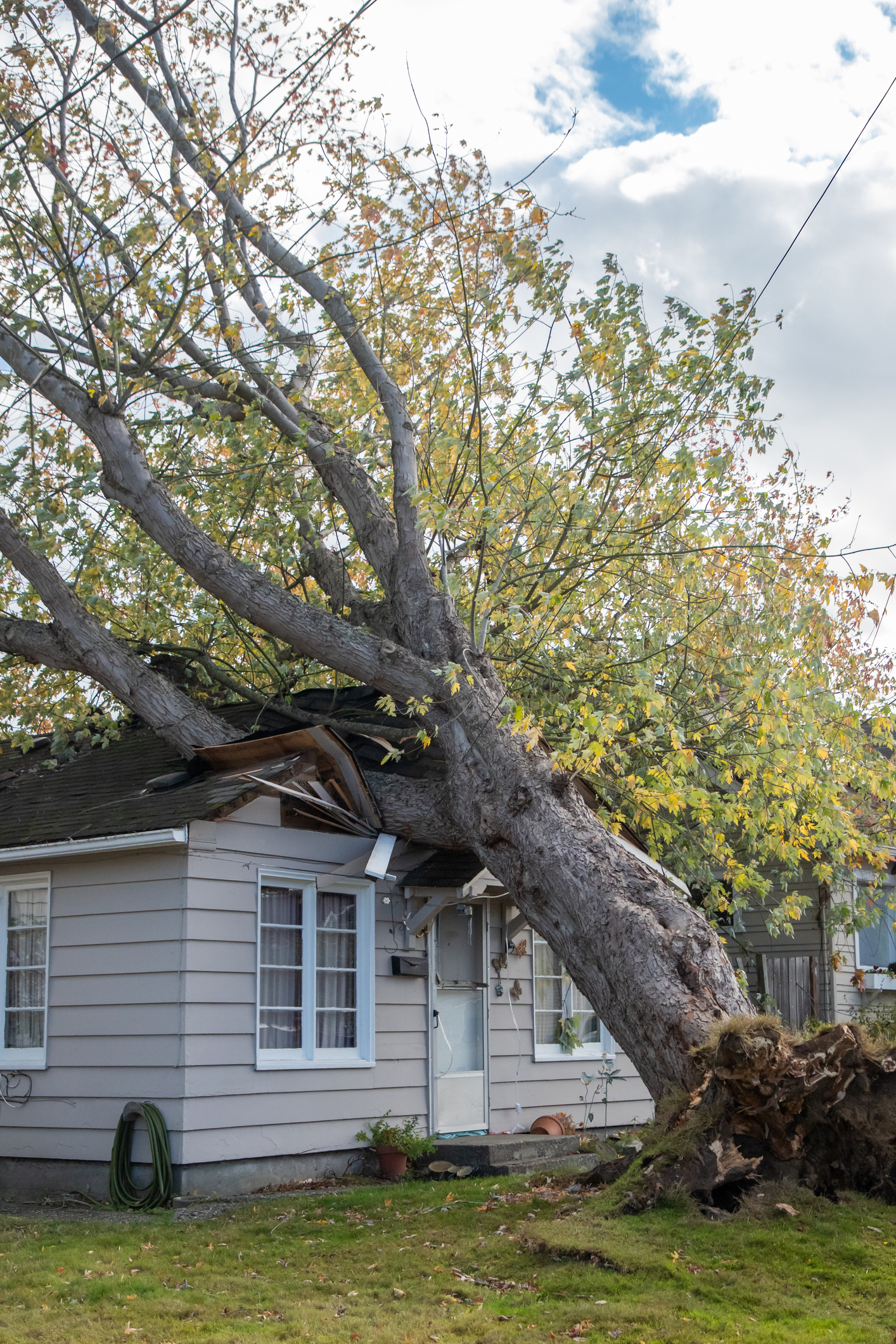
Hail and chinook winds damage roofs and let water in. We tarp them and repair the rooms below.
More about storm damage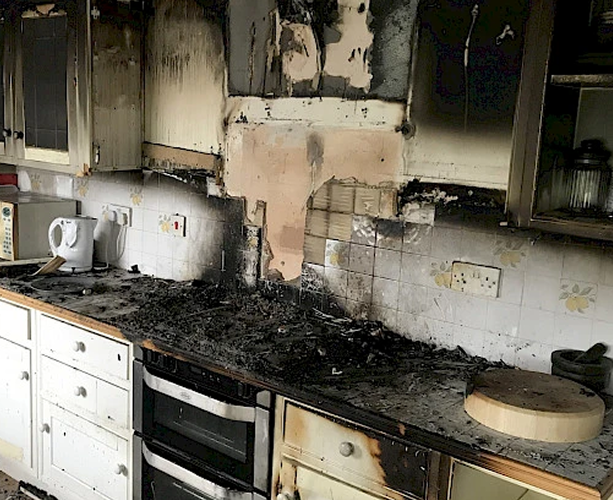
Fire and smoke damage
A kitchen fire or wildfire smoke spreads through the house, and hose water follows. We clean, deodorize, dry, and rebuild.
More about fire damage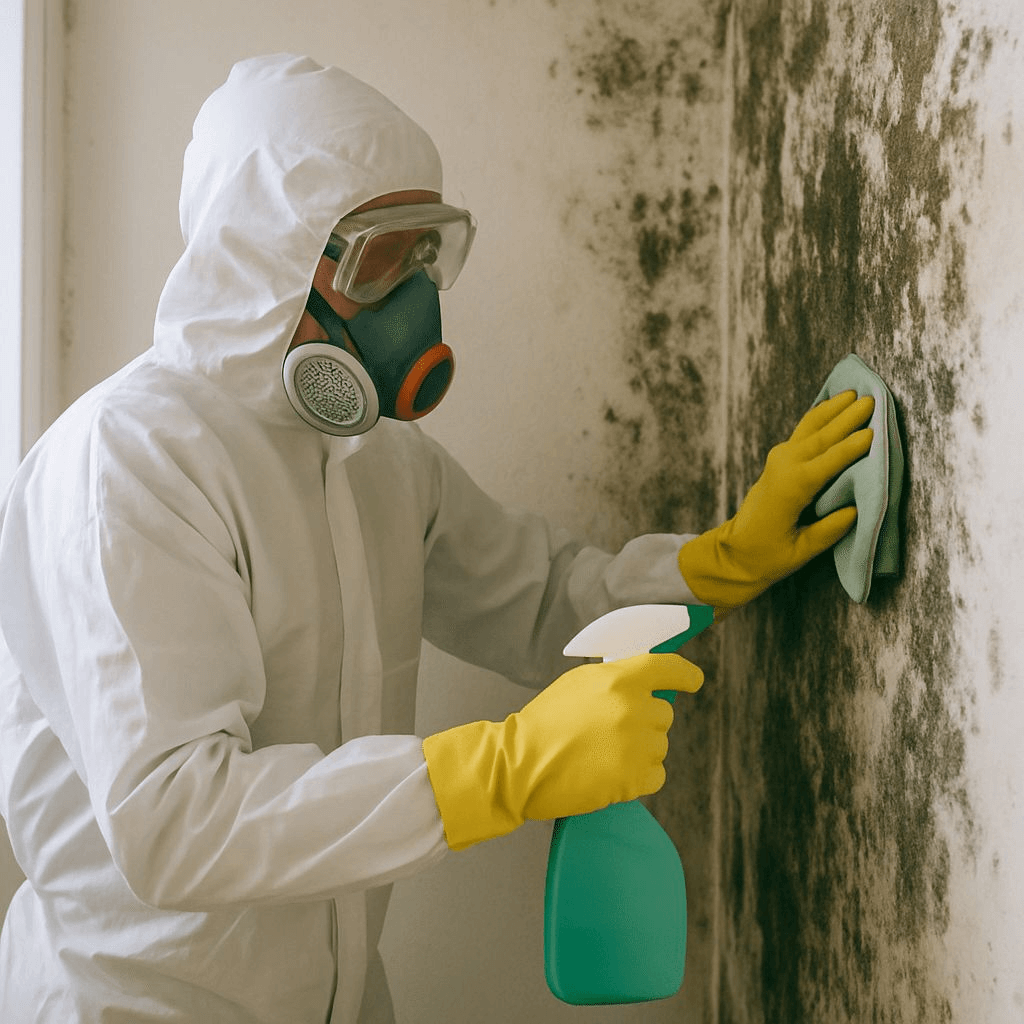
Mold remediation
A finished basement that stayed damp is where Denver mold usually starts. We dry it and remove the growth.
More about mold remediation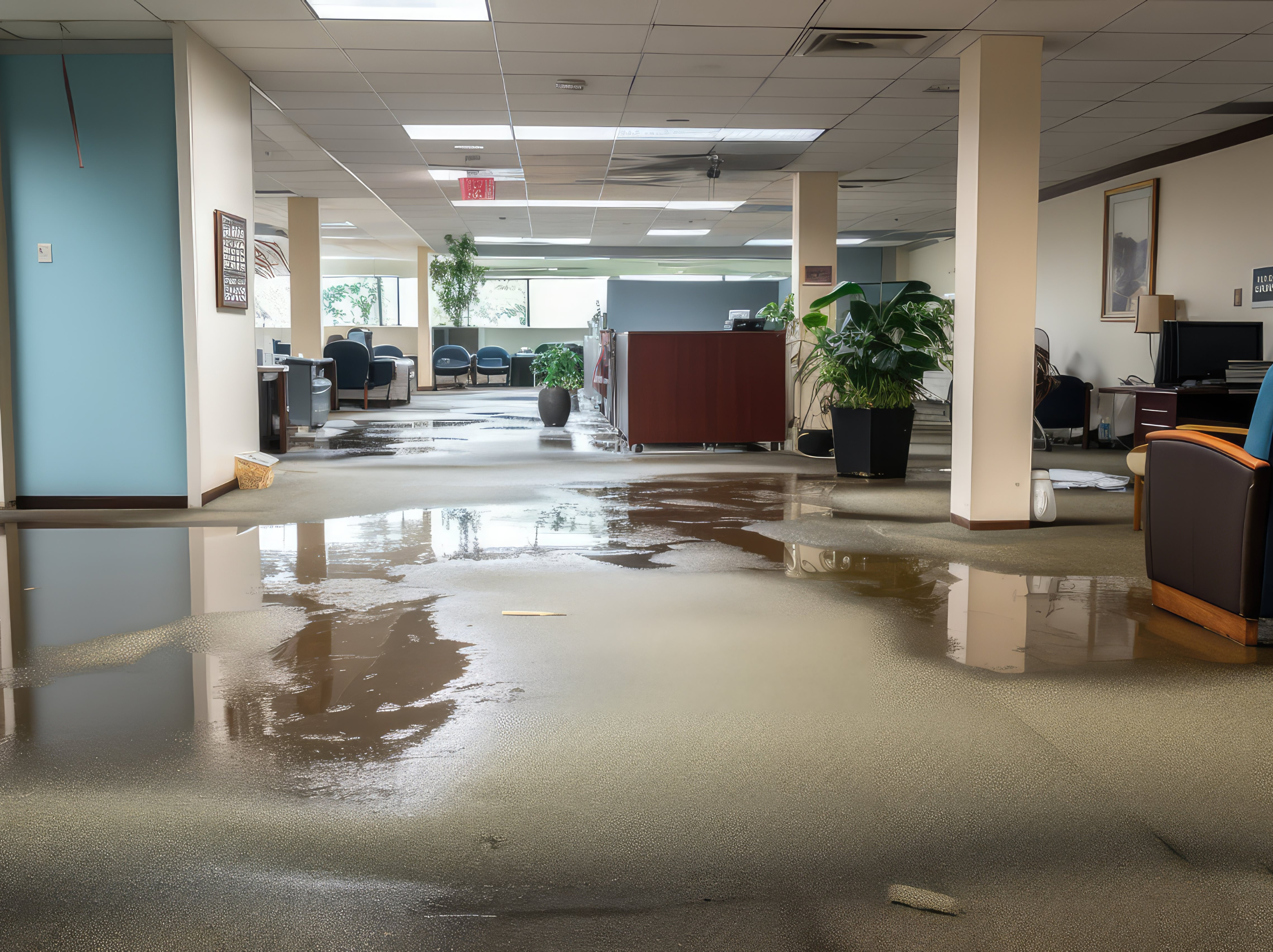
Commercial restoration
In LoDo buildings and office parks, a leak in one suite travels to the next. Drying runs around business hours, with updates to your insurer.
More about commercial restoration
Reconstruction
Older Denver homes and finished basements are rebuilt to match. The crew that dried it rebuilds it.
Ask about repairsUnsure what kind of damage you have?
Text a photo to our Denver line and we'll tell you which service it falls under.
Call 24/7, day or night(720) 964-2623
Step by step
Our Water Damage Restoration Process in Denver
How a Denver job runs, from call to final walkthrough.
You call, and we stop the water
Reach us at (720) 964-2623 24/7. We close the valve, cap the pipe, or divert the water pouring into the window well.
We inspect and document
Moisture meters go along basement walls, under carpet, and into the framing, and each wet room is photographed.
We pump out and dry
We pump it out, cut out wet pad and board, and dry until the numbers settle.
We restore and walk the rooms with you
The basement and rooms are rebuilt, and we finish with a room-by-room review.
Water near outlets or the electrical panel?
Do not touch switches, cords, or appliances near the water. Phone our Denver office for guidance.
Insurance and claims
How Insurance Handles Water Damage in Denver
Sudden pipe and supply line failures are typically covered by Colorado homeowners insurance. Groundwater seepage and outside flooding usually are not. Coverage depends on your policy.

What your adjuster will want
- The day you found the water and whether a pipe, cooler, snowmelt, or storm caused it
- Pictures of the basement, window wells, and every wet room
- Wet furniture and boxes kept for the adjuster
- Bills from the plumber or cooler tech, fan rental, and nights away
What we send them
- Photos of the source and each room the water reached
- Moisture logs for the basement slab and walls
- Line items for drying and the basement rebuild
- Follow-up with your adjuster on whether snowmelt or a pipe caused the loss
Where Our Denver Team Works
We serve Denver and the surrounding metro communities, including those listed below.
Up to 45 miles around Denver
Not sure if you're in range? Call (720) 964-2623 and ask.
Including
- Aurora
- Golden
- Parker
- Boulder
- Brighton
- Lakewood
- Longmont
Nearby locations
Looking for a Different Location?
On the wrong page, or is another location closer to you? Here are our nearest locations.
Colorado Springs, CO
View water damage servicesSalt Lake City, UT
View water damage servicesOklahoma City, OK
View water damage services
How fast can you get to me?
We can be at your door within 40 minutes. Call (720) 964-2623 and give us your address.
Will my Colorado insurance pay for water damage?
Typically yes, for a sudden pipe or supply line failure. Groundwater seepage and floodwater usually aren't.
Can hail lead to water damage in a Denver home?
Yes. The May 2017 hailstorm caused about $2.3 billion in insured damage across the metro, the costliest in Colorado history. Cracked shingles let the next rain or snowmelt into the attic, so have the roof checked after big hail.
Can fans dry out a wet basement?
Not alone. Water in the board, pad, and framing needs dehumidifiers and meter checks.
Do swamp coolers leak in Denver homes?
They can. An evaporative cooler needs a steady water supply, and a stuck float valve or cracked pan can send water into the attic and the ceiling below.
How should I handle a frozen pipe?
If it has not burst, open the tap and warm it gently. If it is leaking, close the main and call.
Can I relight the furnace after the basement flooded?
Have a qualified technician check it first, since water in the burner or controls can make it unsafe.
How is water damage priced in Denver?
Your estimate reflects how much water, what kind, and the repairs needed. Use the form below for a written price, with a copy for your adjuster.
Can we stay home during drying?
Usually, if the basement is the only area hit. If sewage is involved or the heat is off, a short stay away is easier.
Day or night
Water in Your Denver Home or Business?
Call (720) 964-2623, 24/7, day or night. We can be at your door within 40 minutes.
Call 24/7, day or night(720) 964-2623Or ask for a free inspection online
Type in your name and number and a Denver project lead calls you back.
Need help now? Call (720) 964-2623