
24/7, day or night Greater Salt Lake City
Mold Remediation in Salt Lake City, UT
Spring runoff in a Salt Lake basement, a dripping swamp cooler, or a hidden leak can grow mold even with Utah's dry air outside. A1 Restoration removes mold from Salt Lake homes and fixes the snowmelt seep, cooler, or drain line behind it.
Free inspectionCall 24/7Tap to call · Free inspection(801) 760-0155Whether you're in Rose Park or Sugar House, a live Salt Lake dispatcher picks up day or night. We can be at your door within 40 minutes.
Free inspections and estimates
 IICRC Certified Firm

“These guys are very professional. They came out within an hour helped me filed a claim through my insurance. Walked me through the process. Highly recommend them for your water damage or mold removal.”“…Highly recommend them for your water damage or mold removal.”










Why speed matters
Why Mold Keeps Spreading Once It Starts
Mold needs only moisture, not standing water. Snowmelt damp in a Salt Lake basement can grow mold behind finished walls for weeks unseen.
Wiping off visible mold in a Salt Lake home doesn't solve it. Spring seepage, a swamp cooler drip, or an aging Avenues drain line will bring it back unless repaired.
Utah's dry air slows mold, but spring runoff and undried leaks still grow it, especially in older Avenues basements with tired foundations and pipes. We work across Salt Lake City, Sandy, West Jordan, and the rest of the valley.
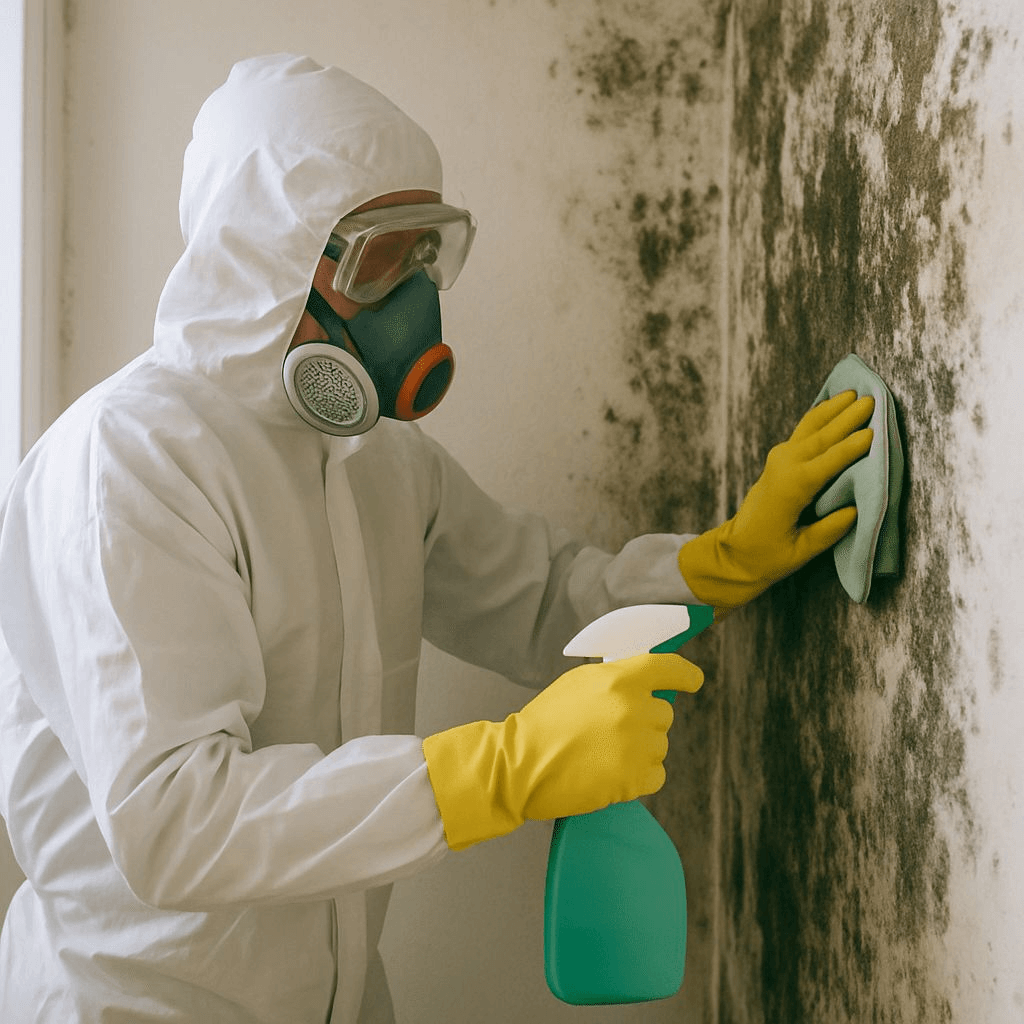
What a mold remediation job involves
What the job includes
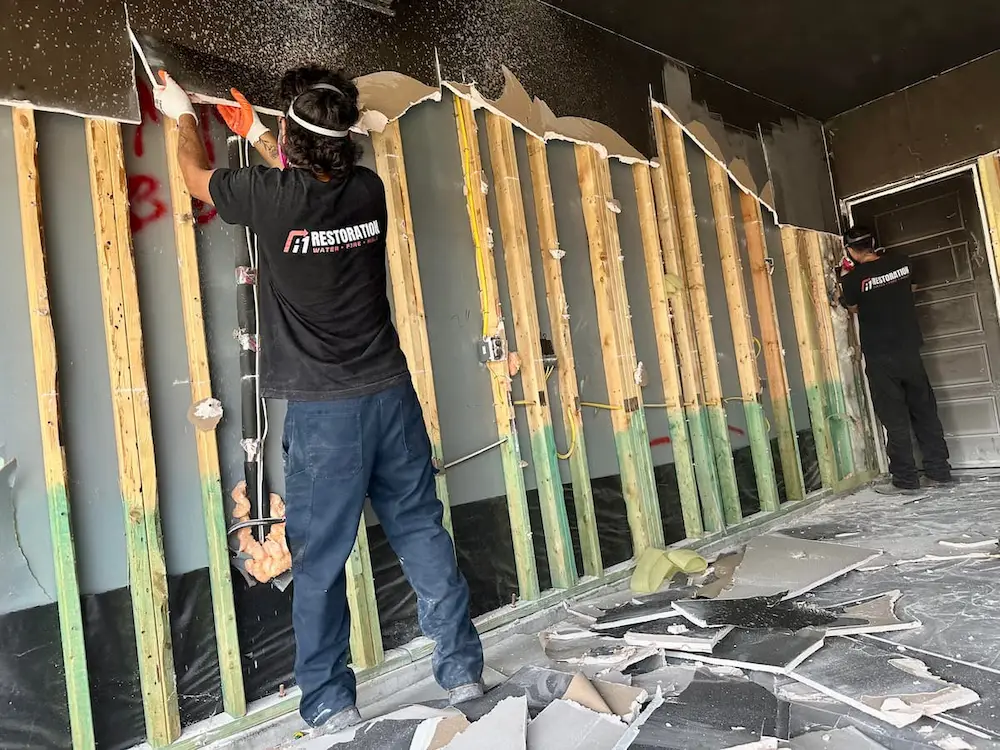
Finding the moisture, containing the Salt Lake work area, removing growth, drying, and rebuilding.
How long it takes
A closet corner is quick; a whole Salt Lake basement takes longer. A passing air test closes out the Salt Lake job. Rebuilding walls or carpet adds days.
What shapes the estimate
Area, materials, and repairs. You approve the Salt Lake estimate before work begins.
Your first visit
Salt Lake jobs start with a free on-site look and a written number.
Call 24/7, day or night(801) 760-0155
Right after you find it
First Steps After Finding Mold in Salt Lake City
Finding mold downstairs in a Salt Lake home rarely means moving out. Use these steps to keep Salt Lake mold from spreading until we get there.
Not sure what to do first? Call (801) 760-0155 and we will talk you through it. You can call us and your insurance company in either order.
What to do
Close off the room
Keep the Salt Lake basement door or room door closed.
Photograph everything
Photograph the mold for your Utah insurer and leave it alone.
Call your insurance company
Report the loss to your carrier and keep the claim number handy.
What not to do
No bleach
Scrubbing kicks spores into the air.
Turn off the furnace fan and swamp cooler
Running the furnace or cooler can spread spores through the Salt Lake house.
Do not paint over it
Paint just covers mold while it keeps growing.
Common mold damage
Where Mold Grows in Salt Lake City Homes
Salt Lake City mold usually grows in basements after spring runoff, around swamp coolers, and behind old plaster in historic homes.
Basements in historic neighborhoods
Older Avenues and Sugar House basements with stone or block walls take on snowmelt moisture every spring.
Crawl space humidity
Some older Salt Lake homes have crawl spaces that trap damp air against the framing.
Attic condensation
On cold Wasatch nights, warm air leaking into a Salt Lake attic freezes on the roof boards and drips in a thaw.
Older plumbing in historic homes
Corroded drain and supply lines in pre-war homes leak slowly inside walls.
Mold after a leak
A slow leak behind a Salt Lake vanity keeps the wall wet for weeks.
More about water damage restorationMold after a storm
Water from ice dams or hail-damaged roofs can leave walls and attics damp.
More about storm damageBathroom and kitchen mold
Older Salt Lake bathrooms with weak fans let steam soak the ceiling.
What we do
How We Remove Mold and Stop It From Returning
Most mold we find along the Wasatch Front starts with water from spring runoff, a hidden plumbing drip, or an evaporative cooler leaking into the attic, so we fix the source first.
Poly walls and a filtered exhaust fan keep spores in the basement so they do not drift up the stairs.
Paneling, carpet, and insulation the growth rooted into are bagged out, and studs and joists are sanded and sealed.
Utah's dry air speeds drying once the source is gone, and an air sample must pass before the basement is rebuilt.
Why where the mold started matters
| Where the mold started | What it usually means | How we handle it |
|---|---|---|
A basement in the Avenues or Sugar House | Mold behind paneling after spring seepage | Paneling comes off, moldy material is removed, and the wall is dried. |
A crawl space under an older addition | Growth on joists over bare soil | The joists are cleaned and sealed, and we suggest laying plastic over the dirt. |
An attic below a leaking swamp cooler | Mold on the roof deck and ceiling | The cooler is fixed, and the deck and ceiling are treated or replaced. |
Old galvanized plumbing | A pinhole leak feeding growth inside a wall | The wall is opened, the growth removed, and the cavity dried. |
A bathroom fan venting into the attic | Spotting on the sheathing above the bath | We treat the roof boards and reroute the bath fan so it vents out the roof. |
What can be saved
What We Can Save From Mold Damage
Concrete and framing in a Salt Lake basement usually clean up after mold, while paneling and carpet it grew into usually do not. An air sample decides the rest.
- Usually saved
- Depends on how far it reached
- Usually replaced
Block or poured foundation walls
Usually savedThese scrub clean once the seepage stops.
Basement studs and joists
Usually savedSanded and sealed in place, then tested again.
Plaster in historic homes
Depends on how far it reachedIf the mold is only on the paint it can be cleaned, but plaster soaked to the lath gets replaced.
Rec room paneling
Depends on how far it reachedSurface mold may wipe off, while panels with growth behind them are removed.
Holiday decorations and boxes in storage
Depends on how far it reachedHard plastic bins survive a cleaning, but cardboard boxes and stored fabric are usually thrown away.
Batts in the rim joists
Usually replacedInsulation with growth is pulled and replaced.
More than mold
More Restoration Services From Our Salt Lake City Team
In Salt Lake City, mold usually follows water from spring runoff, a leak, a storm, or a fire.
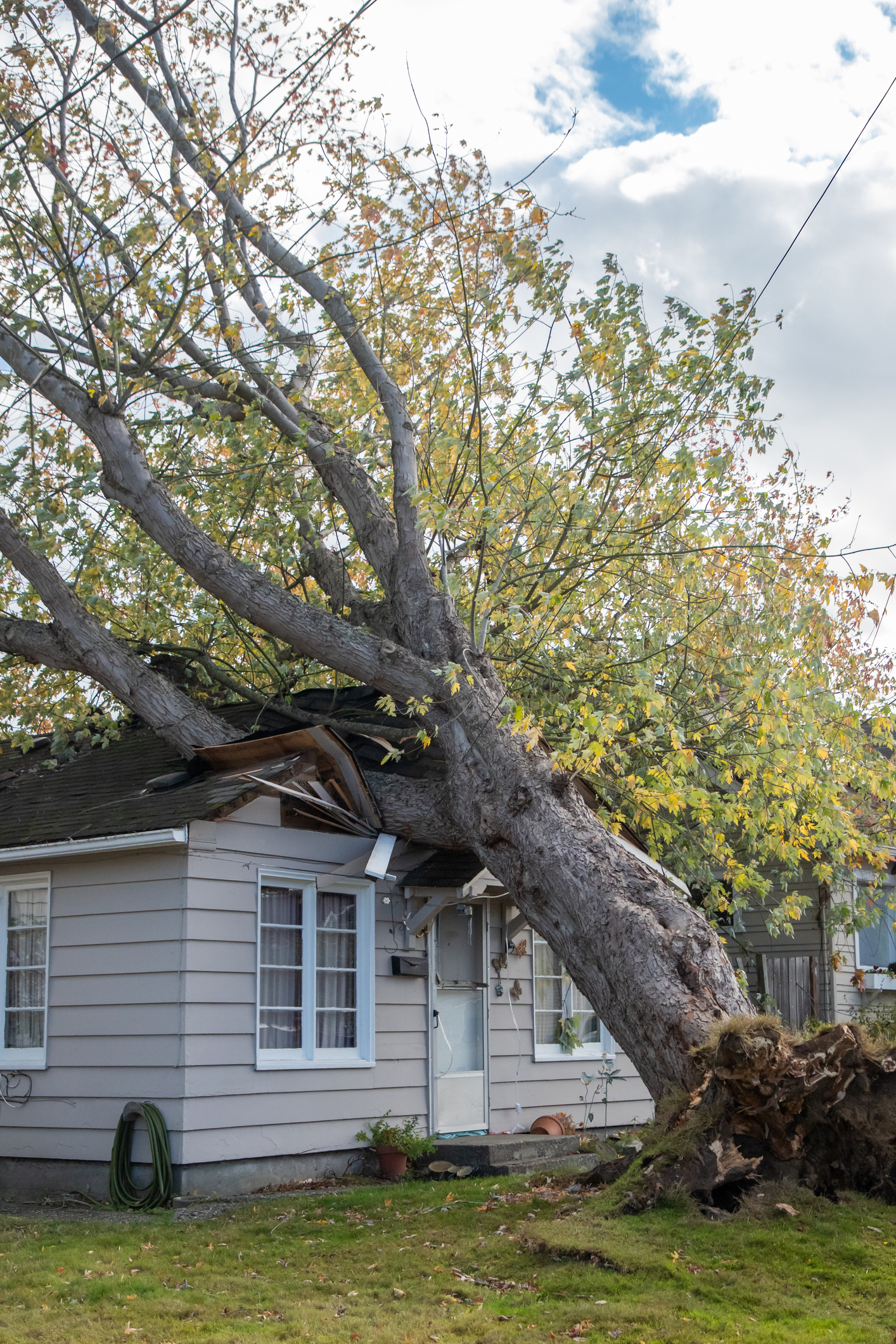
Storm damage
Ice dams and hail-damaged roofs let water into Salt Lake attics, and mold follows. The Salt Lake roof is tarped and the rooms below rebuilt.
More about storm damage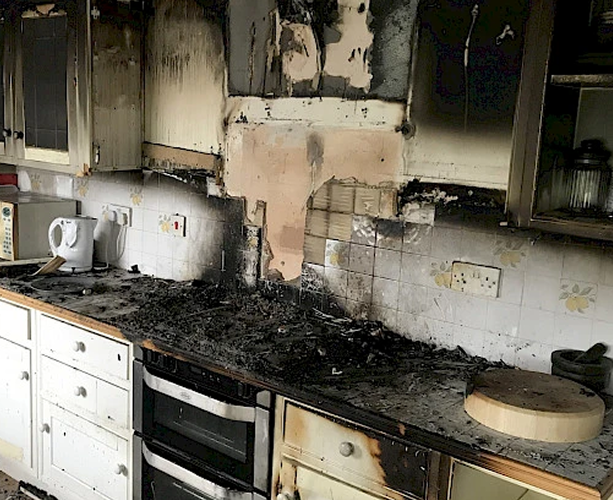
Fire and smoke damage
Fire hose water left in a Salt Lake basement grows mold if nobody dries it. Everything is cleaned, dried, and rebuilt.
More about fire damage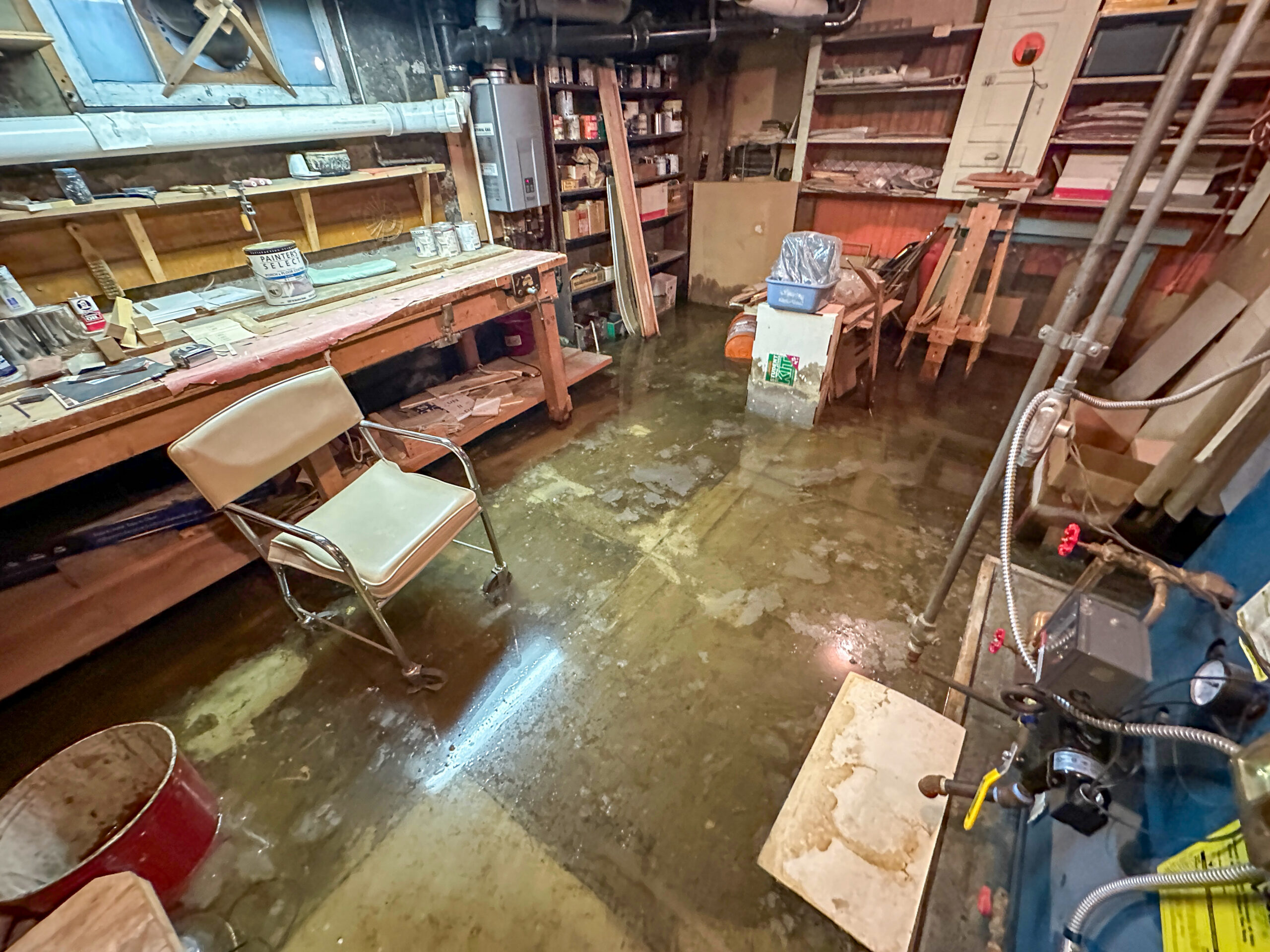
Water damage
A flooded Salt Lake basement turns into mold fast. It is pumped out and the framing dried.
More about water damage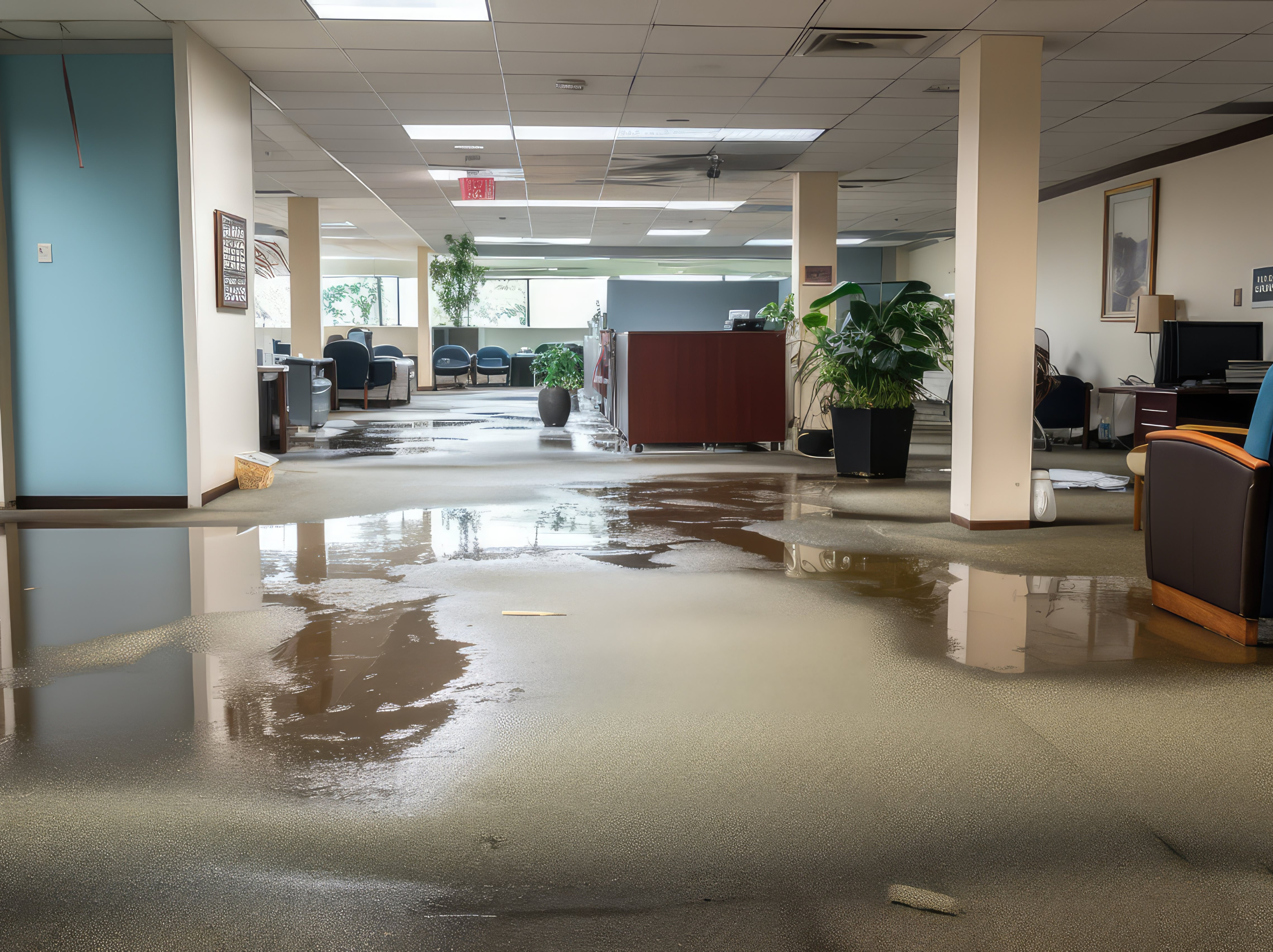
Commercial restoration
In downtown Salt Lake buildings, one tenant's damp wall can grow mold next door. We work around your hours.
More about commercial restoration
Reconstruction
Once Salt Lake clearance passes, the removed basement walls and floors are rebuilt.
Ask about repairsCan't tell what kind of damage your Salt Lake property has?
Send a picture to our Salt Lake office, and a project lead will tell you what kind of job it is.
Call 24/7, day or night(801) 760-0155
Step by step
Our Mold Remediation Process in Salt Lake City
Here is the order we follow on every commercial job.
You call, and we contain the area
Call (801) 760-0155 at any hour. Poly barriers and negative air keep spores inside the Salt Lake work zone.
We inspect and document
We find the water, usually snowmelt in the basement, a swamp cooler, or an old Avenues drain line, and photograph the growth.
We remove and dry
Moldy drywall and carpet come out of the Salt Lake basement, framing is treated, and the space is dried.
We restore and test
After a clean air test, Salt Lake walls and floors go back.
Smell something musty but can't see mold?
That usually means moisture somewhere nearby. Our Salt Lake team can tell you where mold usually hides in valley homes.
Insurance and claims
How Insurance Handles Mold Damage in Salt Lake City
Utah policies usually cover mold only when a covered event, like a pipe failure, caused it. Mold from slow snowmelt seepage usually is not. Coverage depends on your policy.

What your adjuster will want
- When the musty smell or spots began and the water behind them
- Snapshots of the basement, attic, and affected rooms
- Any records of runoff, a cooler leak, or plumbing repair
- Invoices for a rental dehumidifier or quick fixes
What we send them
- Images from inside each sealed work zone
- A room list showing where we found growth
- A Wasatch Front estimate for mold removal and rebuilding
- A finding for your carrier on whether runoff or a covered leak started it
Where Our Salt Lake City Team Works
We serve Salt Lake City and communities along the Wasatch Front, including those listed below.
Up to 45 miles around Salt Lake City
Not sure if you're in range? Call (801) 760-0155 and ask.
Including
- Lehi
- Orem
- Sandy
- Draper
- Layton
- Riverton
- Clearfield
- Springville
- West Jordan
- South Jordan
- Farmington
- West Valley City
Nearby locations
Looking for a Different Location?
On the wrong page, or is another location closer to you? Here are our nearest locations.
Denver, CO
View mold remediation servicesColorado Springs, CO
View mold remediation servicesPhoenix, AZ
View mold remediation services
How fast can you get to me?
We can be at your door within 40 minutes. Call (801) 760-0155 and give us your address.
Does a Utah homeowners policy cover mold removal?
In Utah, only in limited cases tied to a covered event. Slow snowmelt seepage usually is not covered.
Does spring runoff cause basement mold in Salt Lake City?
It can. In a big snow year, runoff off the Wasatch can soak basement walls and carpet, and those materials stay wet underneath long enough for mold.
Can mold grow in Utah's dry air?
Yes. Water behind a Salt Lake wall or under a basement floor stays wet no matter how dry it is outside. Mold grows where the leak is, even in the Salt Lake Valley.
Will a dehumidifier remove mold in a Salt Lake basement?
No. It lowers humidity, but existing mold has to be cut out with the material.
Can mold return after removal?
Only if the moisture continues. We fix the seepage, cooler, or leak along with the growth.
Do you remove mold in Salt Lake offices and apartments?
Yes. Salt Lake property managers get our report before removal and repairs.
How is mold removal priced in Salt Lake City?
A Salt Lake mold estimate depends on the area, materials, and repairs. Request a written estimate below; your adjuster can get a copy.
Can we stay home during removal?
Usually, while the crew works in the Salt Lake basement. If containment reaches the main floor, plan on a few nights away.
Day or night
Found Mold in Your Salt Lake City Home?
Call (801) 760-0155, 24/7, day or night. We can be at your door within 40 minutes.
Call 24/7, day or night(801) 760-0155Or ask for a free inspection online
Enter your name and number and our Salt Lake office will call you back.
Need help now? Call (801) 760-0155