
24/7, day or night Greater Atlanta
Mold Remediation in Atlanta, GA
A musty smell in a closet, a ring of spots climbing a bathroom ceiling, or a damp smell from the crawl space access door usually points to one thing: water getting in somewhere it should not. A1 Restoration handles mold remediation in Atlanta, from tracking the moisture in the crawl space or attic to removing what the mold reached.
Free inspectionCall 24/7Tap to call · Free inspection(470) 646-3548Someone picks up the Atlanta line at any hour. We can be at your door within 40 minutes.
Free inspections and estimates
 IICRC Certified Firm
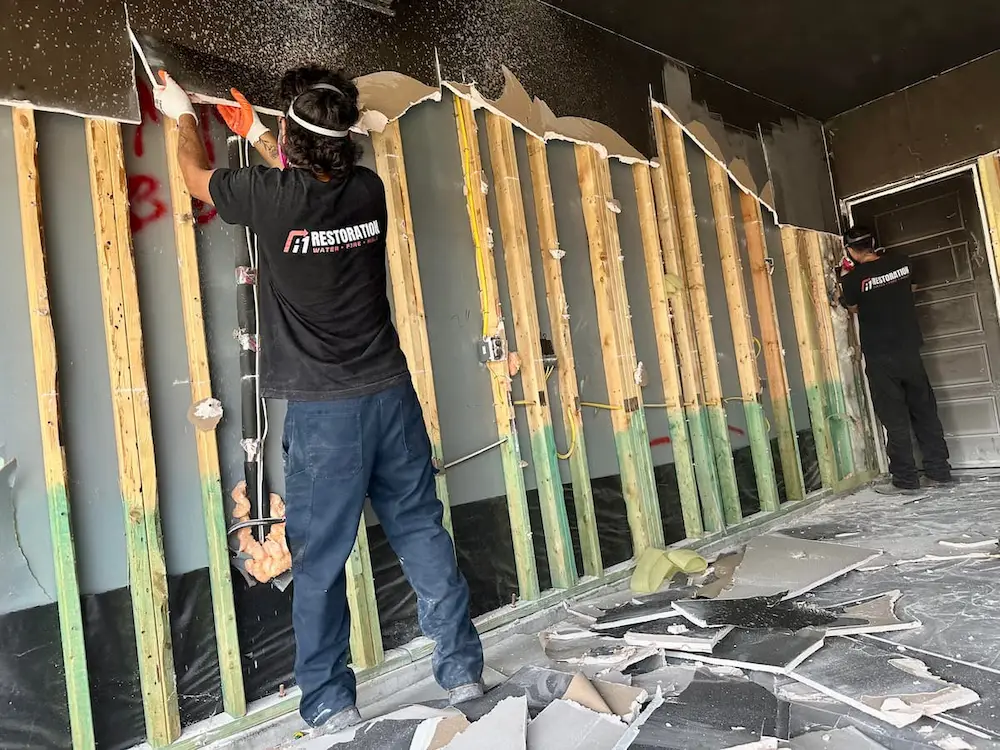

“Great job and thanks! Great to see the mold gone. The crew worked on my house today to help remediate the basement insulation, living room wall and partial ceiling, guest bathroom shower ceiling, and master bath floor.”“Great job and thanks! Great to see the mold gone.”










Why speed matters
Why Mold Keeps Spreading Once It Starts
Mold needs only moisture, not standing water. A damp spot under a floor or behind plaster can spread for weeks in Atlanta's humidity before anyone smells it.
Removing the visible growth is just the start. Whatever feeds it, a slow leak, a blocked vent, or crawl space humidity, brings it back until it is fixed.
Atlanta sits in a humid subtropical zone, and summers here routinely push outdoor humidity high enough that crawl spaces, attics, and basements stay damp for months at a stretch. Add one slow leak on top of that, and mold gets a head start most homeowners never see coming. Older homes in neighborhoods like Grant Park and Kirkwood, built with crawl space foundations and plumbing that predates modern code, tend to be where we get called first. We work in Buckhead, Midtown, Decatur, and the rest of the metro.
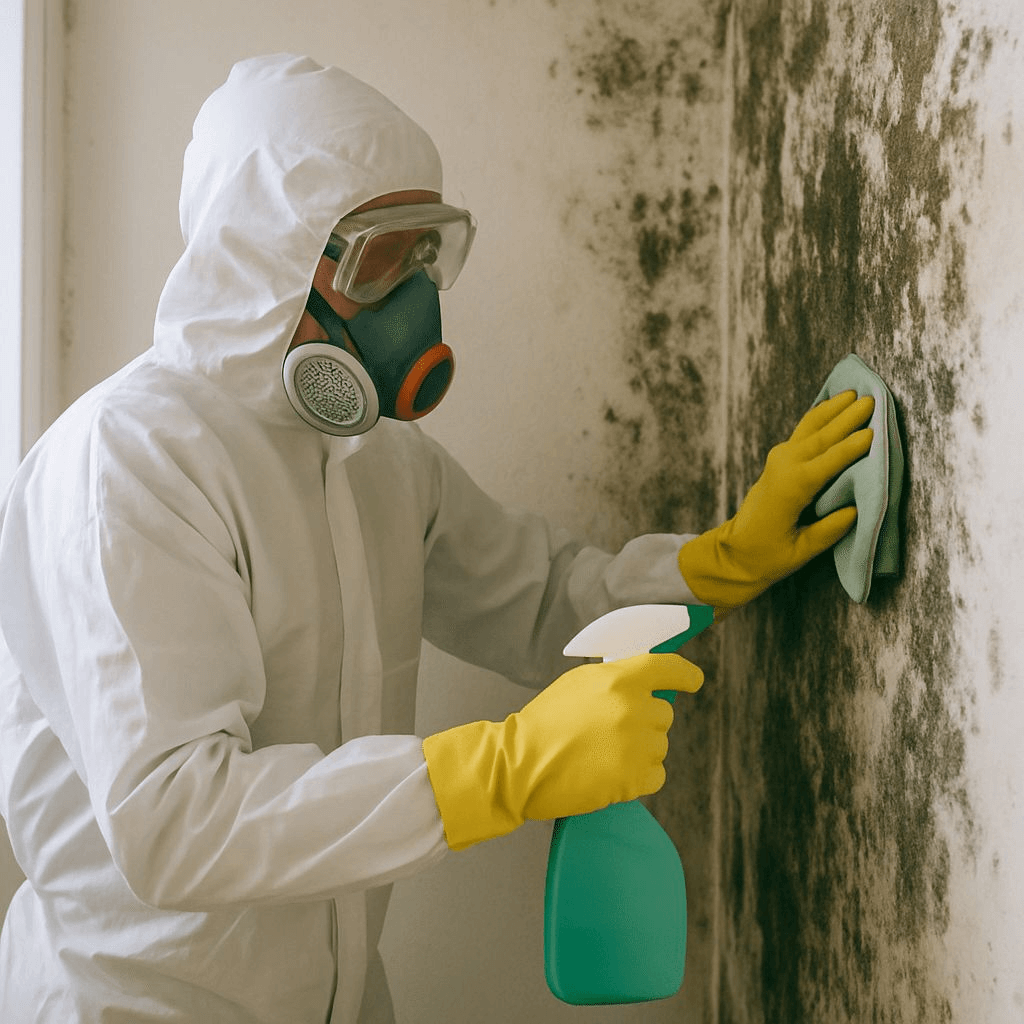
What a mold remediation job involves
What the job includes
Tracing the moisture, containing the room or crawl space, taking out the growth, and restoring what was removed.
How long it takes
A closet takes a day or two; a whole crawl space takes longer. Clearance testing tells us when we can sign off. Rebuilding walls or floors afterward adds a few more days.
What shapes the estimate
Square footage, the materials involved, and the repairs afterward. The price is in your hands before the work begins.
Your first visit
A walk-through of the damage and a written price come first.
Call 24/7, day or night(470) 646-3548
Right after you find it
First Steps After Finding Mold in Atlanta
Finding mold does not mean you have to move out. A few simple steps keep it from spreading before we get there.
Not sure what to do first? Call (470) 646-3548 and we will talk you through it. You can call us and your insurance company in either order.
What to do
Close off the room
Keep that door closed so the spores stay in one room.
Photograph everything
Take pictures for your claim, then leave it alone.
Call your insurance company
Call your carrier, start the claim, and write the number on your phone.
What not to do
Skip the bleach
Scrubbing throws spores into the air instead of getting rid of them.
Don't switch on the AC or the heat
The blower can carry spores from one room through the whole house.
Do not paint over it
A coat of paint hides the stain for a few weeks while the mold keeps growing behind it.
Common mold damage
Where Mold Grows in Atlanta Homes
Atlanta mold usually starts where humid air and red clay keep things damp: the crawl space, the attic, or a closed-in bathroom.
Crawl spaces
Between Georgia's slow-draining clay, humid summer air, and plumbing that runs the length of the house, crawl spaces here rarely dry out fully on their own. A bouncy or soft-feeling floor overhead is often the first sign something's wrong underneath.
Damp crawl space air
A crawl space with little airflow holds muggy summer air against the floor joists, and the wood stays damp for months.
Attics
A roof leak, a bathroom exhaust fan vented into the attic instead of outside, or simply poor ventilation leaves the roof deck and insulation damp for weeks at a time.
Condensation under the roof
In January, warm indoor air leaking into a poorly vented attic can leave beads of water on the roof sheathing.
Mold after a hidden leak
A slow leak behind a wall or under a sink keeps the drywall and framing wet long enough for mold to take hold before anyone notices.
More about water damage restorationMold after a thunderstorm
A patched roof can still leave wet insulation and studs behind, and mold grows there out of sight.
More about storm damageBathrooms in older homes
Many older intown bathrooms have no exhaust fan, so shower steam settles on plaster walls and ceilings every day.
What we do
How We Remove Mold and Stop It From Returning
Moisture gets fixed before anything else. Here that is usually a damp crawl space, an attic air handler sweating onto the ductwork, or a leak that ran unnoticed through a humid summer.
The work area is sealed off. Plastic barriers and negative air pressure keep spores from drifting through the return vents into bedrooms and living space.
Moldy materials are removed and the rest is treated. Crawl space insulation, stained drywall, and ruined ductwork wrap come out, and joists and framing are cleaned in place.
We dry the space and test it. Dehumidifiers bring the humidity down, and air and surface tests continue until results match a clean part of the house.
Why where the mold started matters
| Where the mold started | What it usually means | How we handle it |
|---|---|---|
A crawl space with damp air | Mold on joists, subfloor, and hanging insulation | Contained and cleaned, with soaked insulation removed and the moisture source shown to you. |
An attic with an AC air handler | Mold on ductwork wrap and the roof deck from condensation | Cleaned and treated, and we point out drain or insulation problems causing the sweat. |
A slow drip in a wall cavity or vanity base | Hidden mold inside the cavity with a musty smell | We open the wall where readings point and remove what the mold reached. |
Water from a summer thunderstorm | Mold weeks later where a roof or window leaked | Traced to where moisture remains, then removed and dried. |
A bathroom in an older home | Mold on the ceiling and around the tub from steam | Cleaned and treated, with advice on improving the fan or window venting. |
What can be saved
What We Can Save From Mold Damage
With mold in an Atlanta home, the result depends on the material, how long the growth had in this humidity, and whether it went into the surface. These are the usual outcomes, and testing confirms what applies.
- Usually saved
- Depends on how far it reached
- Usually replaced
Brick piers and concrete
Usually savedHard surfaces in the crawl space clean up well once treated and dried.
Floor joists and subfloor
Usually savedWe scrub and treat these where they sit and recheck them before the plastic barrier comes down.
Plaster in pre-war intown houses
Depends on how far it reachedSurface spotting can often be cleaned. Plaster that stayed damp through to the lath is replaced.
Drywall
Depends on how far it reachedFaint staining can be treated. Drywall the mold grew into is cut out.
HVAC duct wrap and filters
Usually replacedMold grows into the fibers, so they are replaced instead of cleaned.
Crawl space and attic insulation
Usually replacedIt holds moisture and spores, so contaminated insulation is removed.
More than mold
More Restoration Services From Our Atlanta Team
In Atlanta, mold almost always follows water, from a leak, a storm, or a fire hose. Every visit starts with an inspection and a price before any work.
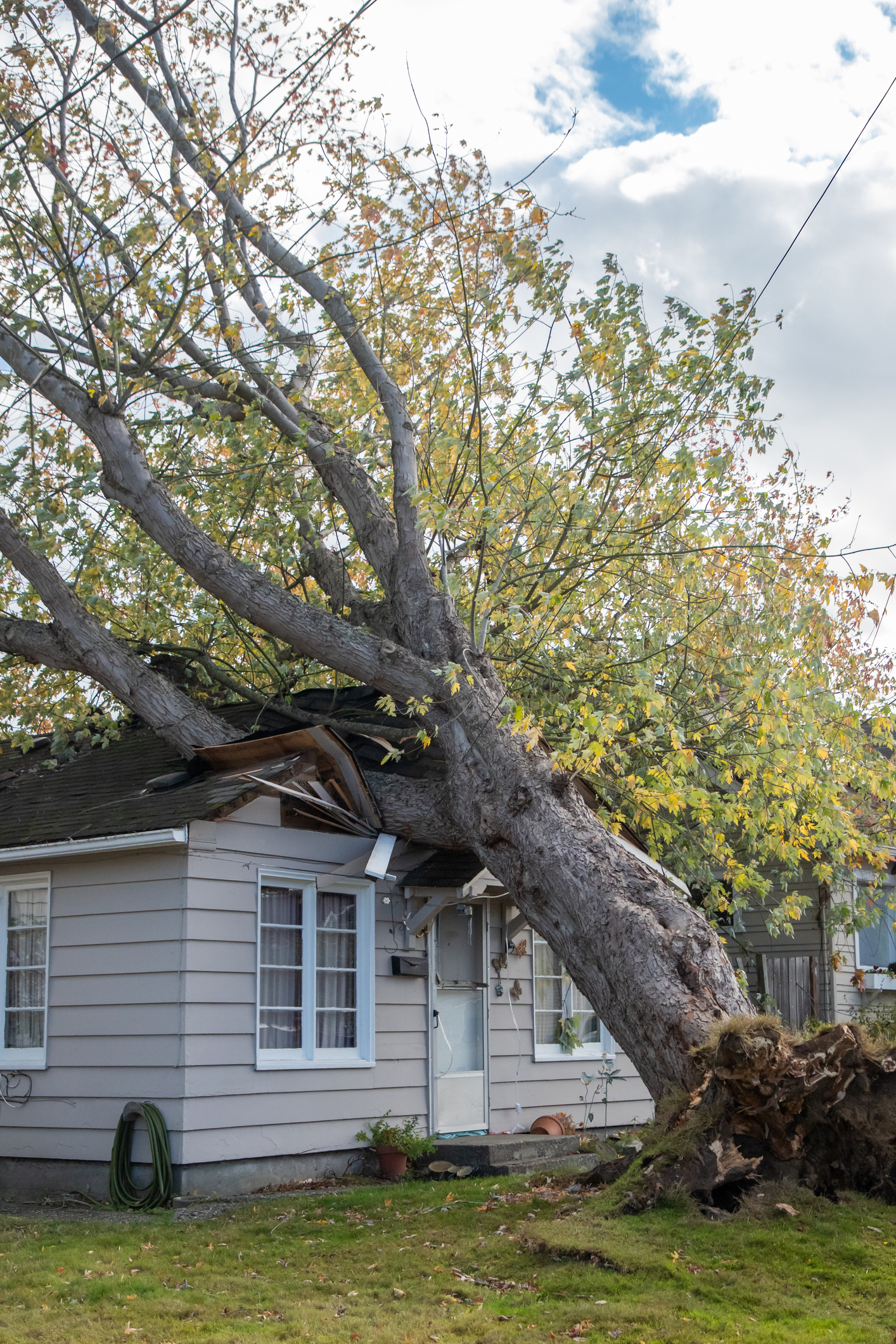
Storm damage
Hail and wind crack shingles, and the leaks that follow are what usually feed the mold. We cover the roof and repair the rooms below.
More about storm damage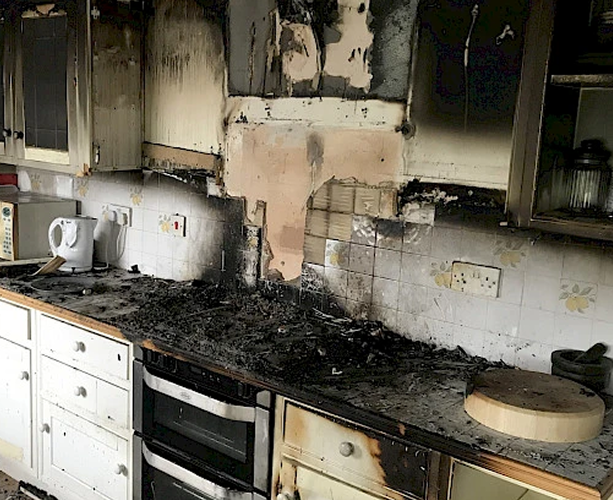
Fire and smoke damage
The water used to put out a fire soaks walls and insulation, and mold follows if it is not dried in time. We clean, deodorize, dry, and rebuild.
More about fire damage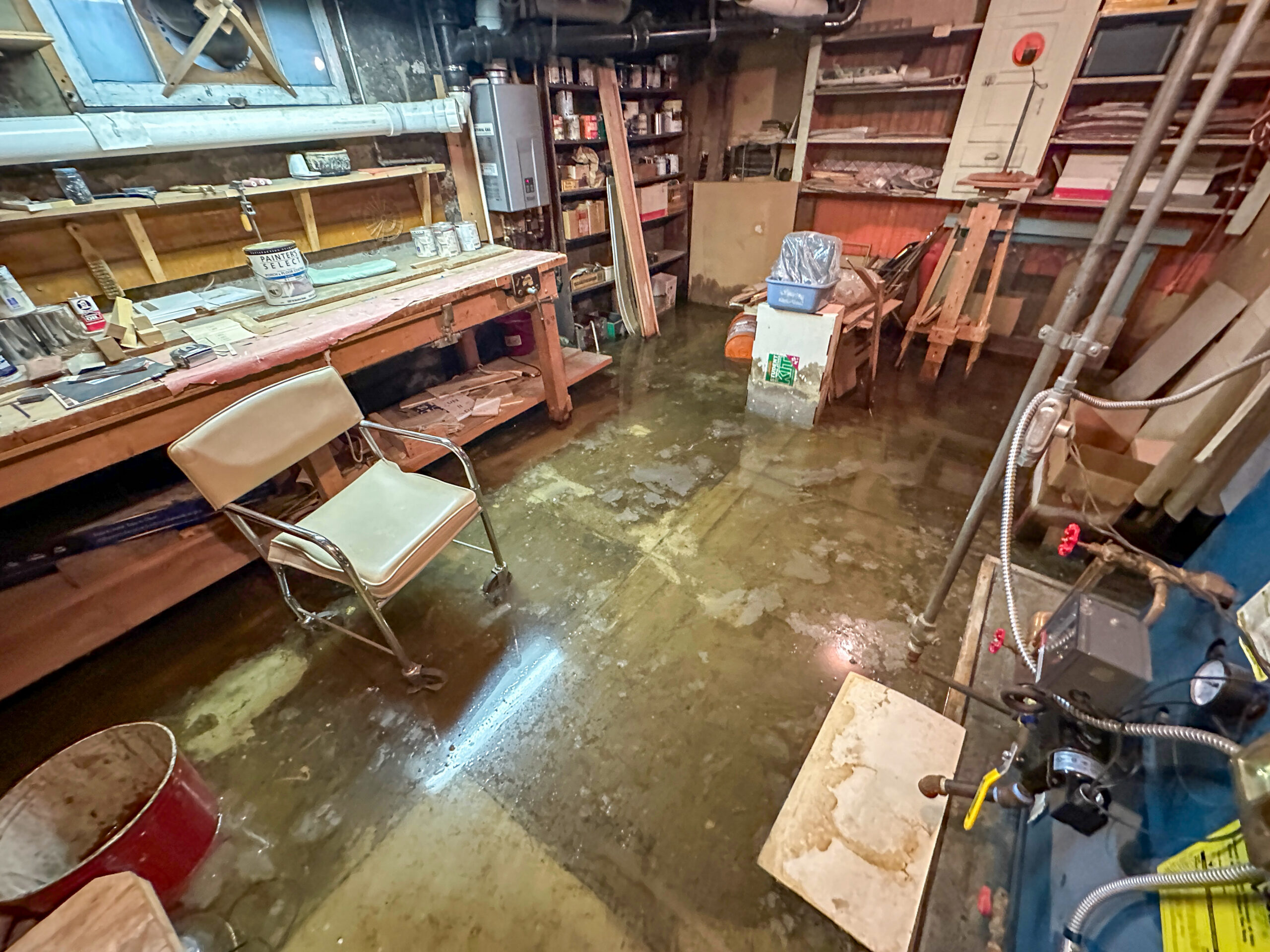
Water damage
Standing water in a basement or crawl space is the quickest route to mold. Our crew extracts it, dries the joists, and checks wall cavities before sealing them.
More about water damage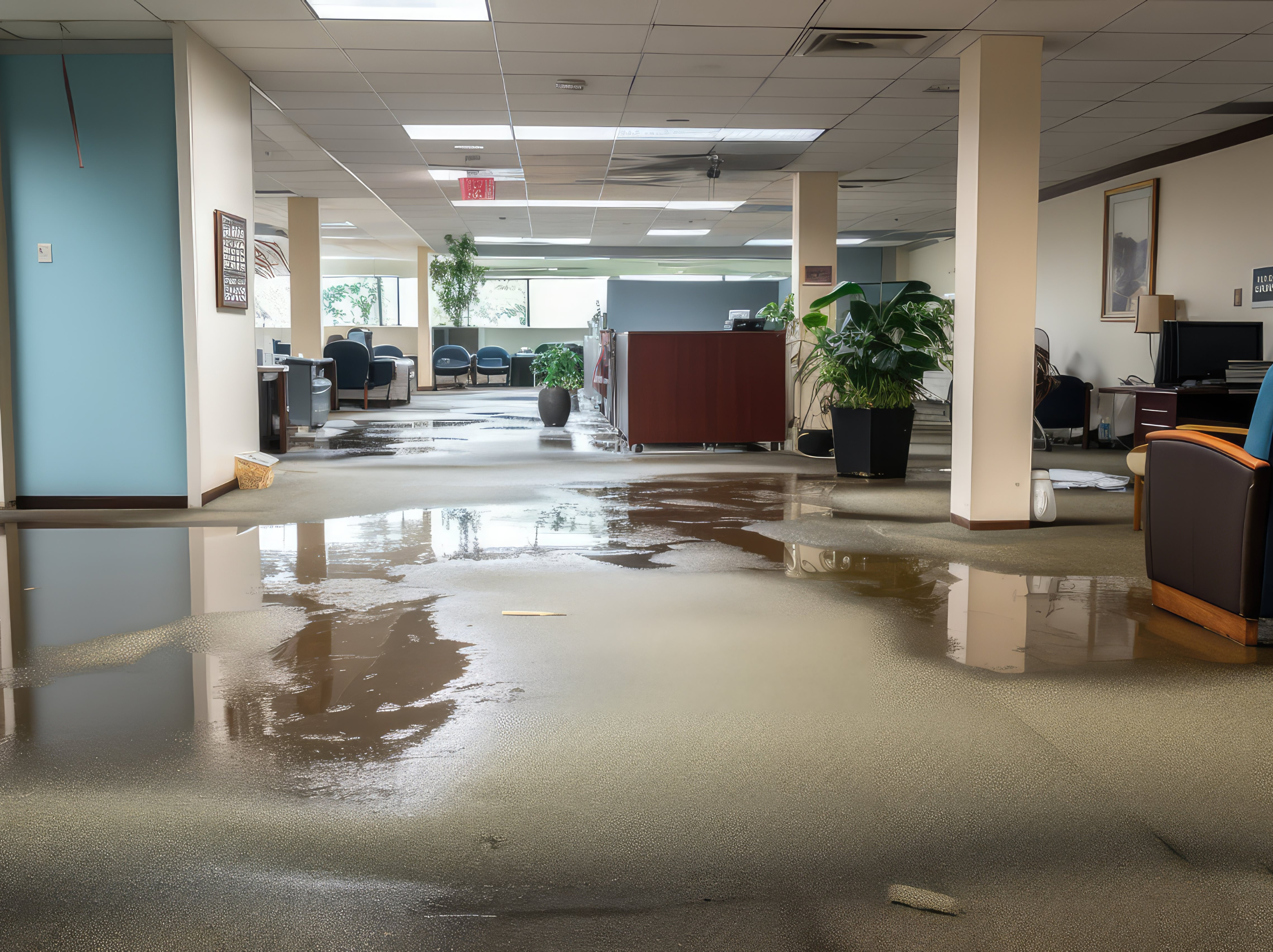
Commercial restoration
Moisture in one apartment or office suite can grow mold in the unit beside it through a shared wall. We schedule the work around your hours.
More about commercial restoration
Reconstruction
Once the mold is out and the area reads dry, we put back the drywall, plaster, and trim that came out. The same crew handles both jobs, so you never hire a second contractor.
Ask about repairsCan't tell which kind of damage it is?
Describe what you see, and our Atlanta crew will tell you what it needs.
Call 24/7, day or night(470) 646-3548
Step by step
Our Mold Remediation Process in Atlanta
What happens on an Atlanta job, from the first call to the final walkthrough.
You call, and we seal off the area
Call (470) 646-3548 any time. We close off the room or crawl space with plastic and negative air so the spores stay put.
We inspect and document
We trace the moisture, often a crawl space vent, a leaking AC line, or a bathroom with no fan, and photograph the growth for your claim.
We remove the mold and dry the space
Moldy drywall, insulation, and subfloor come out, framing is cleaned and treated, and dehumidifiers run until the readings are normal.
We rebuild and check the air with you
We replace what came out, then test the air and go through the rooms with you.
Smell something musty but can't see mold?
That usually means moisture somewhere nearby. Give us a call, and we will tell you what to check.
Insurance and claims
How Insurance Handles Mold Damage in Atlanta
Mold is generally covered only when it grows after a sudden loss the policy covers, such as a burst pipe. Mold from long-running humidity or a leak nobody repaired generally is not. Coverage depends on your policy.

What your adjuster will want
- When the mold was found and the likely moisture source
- Pictures of the crawl space, attic, and every affected room
- Records of any leak or storm that may have started it
- Receipts for emergency repairs or dehumidifier rental
What we send them
- Photos of each area where mold was found
- Notes on how far the growth spread and what it was growing on
- A written breakdown of containment, removal, and the rebuild
- Replies to the adjuster about what was feeding the mold
Where Our Atlanta Team Works
Our crews cover the city and the suburbs around it, from the Perimeter neighborhoods out to the towns below.
Up to 45 miles around Atlanta
Not sure if you're in range? Call (470) 646-3548 and ask.
Including
- Duluth
- Smyrna
- Decatur
- Roswell
- Kennesaw
- Marietta
- Norcross
- Alpharetta
- Johns Creek
- Sandy Springs
Nearby locations
Looking for a Different Location?
On the wrong page, or is another location closer to you? Here are our nearest locations.
Birmingham, AL
View mold remediation servicesNashville, TN
View mold remediation servicesCharlotte, NC
View mold remediation services
How fast can you get to me?
We can be at your door within 40 minutes. Call (470) 646-3548 and give us your address.
Will a Georgia homeowners policy pay for mold removal?
Usually only when the mold followed a sudden loss the policy covers, such as a burst pipe or storm damage. Mold from a long-running leak or humidity usually is not covered.
Why does mold grow so fast in Atlanta crawl spaces?
Humid summers and slow-draining red clay keep crawl spaces damp for long stretches. Old insulation in the floor framing holds that moisture against the wood, which gives mold what it needs.
Can mold hide behind plaster in older Atlanta homes?
Yes. Plaster over wood lath holds moisture longer than drywall, so a leak in an older intown home can feed mold out of sight. A moisture meter shows what the surface does not.
Will a dehumidifier take care of the mold by itself?
No. Lowering the humidity slows mold down, but it does not remove what has already grown. The mold and the material it is on still have to come out.
Will the mold come back once it is removed?
It can, if the moisture behind it is never fixed. So we fix the cause, a vent, a leak, or a damp crawl space, along with the growth itself.
Do you remove mold in Atlanta offices and apartment buildings?
Yes. We share our findings with the property manager first, then remove the mold and repair the space in offices, shops, and apartments.
What does mold removal cost in Atlanta?
Price follows the size of the affected area, the materials involved, and the repairs after. Use the form at the bottom of the page to get a written price first. When a claim is open, your adjuster gets a copy too.
Can we stay home while the mold is removed?
Often, in the rooms the mold did not reach. If the containment area is large or the air quality is poor, staying elsewhere for a while is usually easier. You will know after the inspection.
Day or night
Seeing Mold in Your Atlanta Home?
Call (470) 646-3548, 24/7, day or night. We can be at your door within 40 minutes.
Call 24/7, day or night(470) 646-3548Or ask for a free inspection online
Send us your name and number, and an Atlanta crew lead will call.
Need help now? Call (470) 646-3548