
24/7, day or night Greater Cleveland
Water Damage Restoration in Cleveland, OH
A frozen pipe, a sewer backup, or a leaking foundation wall can flood a basement fast. A1 Restoration takes care of water damage restoration in Cleveland, from pumping out the water to rebuilding what was removed.
Free inspectionCall 24/7Tap to call · Free inspection(216) 232-5252We answer 24/7, day or night, and we can be at your door within 40 minutes.
Free inspections and estimates
 IICRC Certified Firm

“My kitchen sink flooded last week. …got it all cleaned and taken care of. They did a very good job too.”“My kitchen sink flooded last week… They did a very good job too.”







Why speed matters
Why Water Damage Keeps Spreading After You Mop Up
Mopping clears the floor. It does not clear the water that soaked into drywall, baseboards, and the subfloor. That water keeps moving up the walls and under cabinets and flooring, where you cannot see it.
Wet drywall and wood can start growing mold soon after the water arrives. The sooner the drying starts, the less we have to tear out.
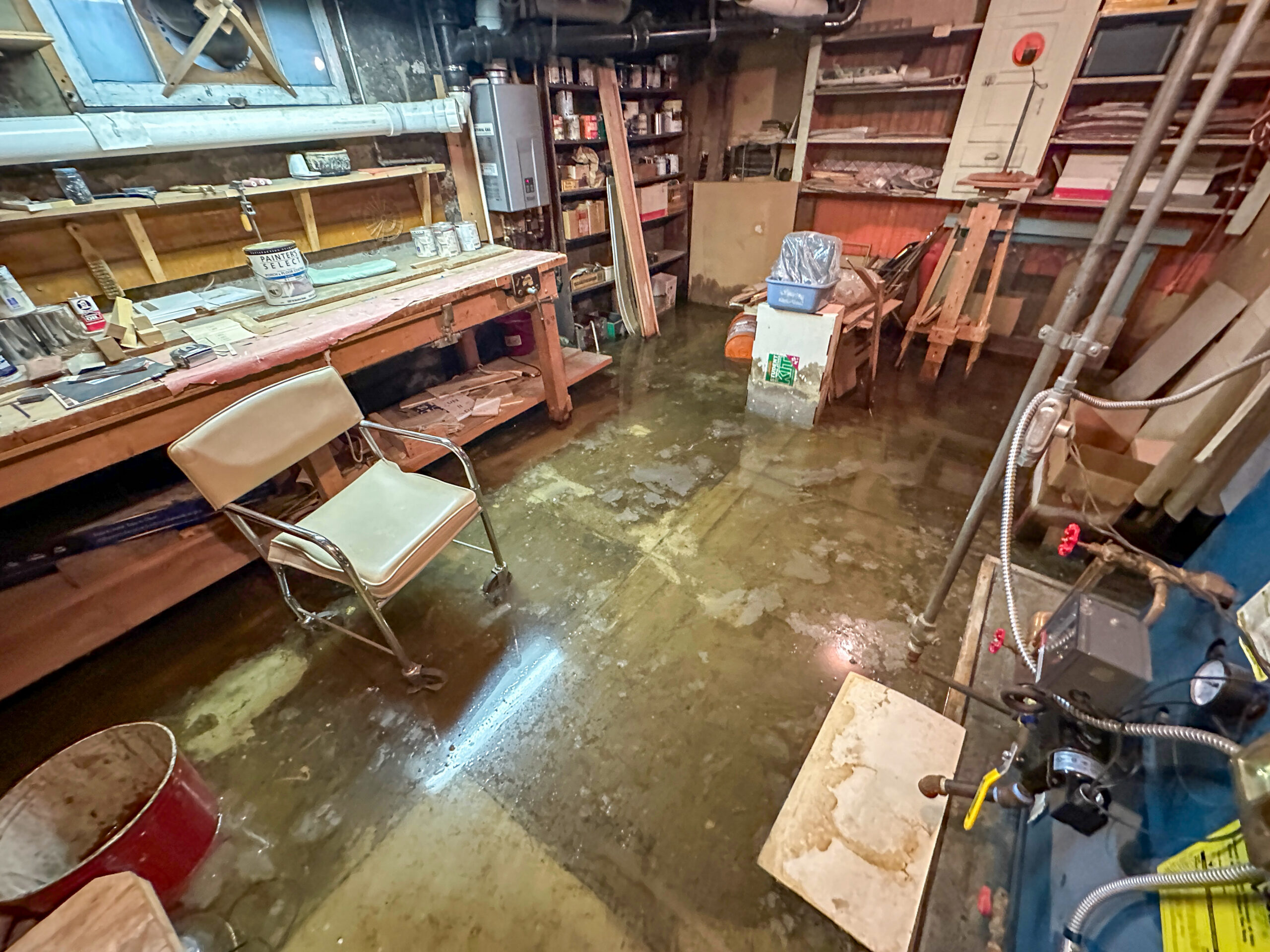
In Cleveland, water usually shows up in the basement first. Heavy rain and snowmelt can send water back out of a floor drain or through an older foundation wall. We work in Detroit-Shoreway, Kamm's Corners, Collinwood, Slavic Village, and the rest of the city.
What a water damage job involves
What the job includes
Water extraction, moisture mapping, drying with dehumidifiers and air movers, removal of materials that cannot be saved, cleaning, and repairs.
How long it takes
It depends on how much water got in and what it soaked. Moisture readings tell us when everything is dry. Repairs add time when drywall, flooring, or cabinets have to be replaced.
What shapes the estimate
How much water got in, what kind of water it was, and how much of the building needs rebuilding. You get the estimate before any work starts.
Your first visit
An inspection and an estimate before we start.
Call 24/7, day or night(216) 232-5252
Right after the leak
First Steps After Water Damage in Cleveland
Once everyone is safe, these steps limit the damage and protect your claim. If water is near outlets or your electrical panel, stay out of it. Switch off power at the breaker only when you can reach it from a dry spot.
Not sure what to do first? Call (216) 232-5252 and we will talk you through it. You can call us and your insurance company in either order.
What to do
Shut off the water
Close the valve under the sink or behind the toilet. If you cannot find the source, close the main shutoff, often near the meter or in the crawl space.
Photograph everything
Take photos and video of the source, the standing water, and every damaged room before anything is moved.
Call your insurance company
Report the claim and write down the claim number.
Get things off the floor
Move rugs, electronics, and papers into a dry room. Put foil or wood blocks under furniture legs so the finish does not stain the carpet.
Keep receipts and damaged items
Save receipts for fans, hotel stays, and emergency repairs. Hold on to damaged items until your adjuster has seen them.
What not to do
Do not use a household vacuum
Regular vacuums are not built for water and can short out or shock you.
Do not stand under a wet ceiling
A ceiling that sags or bulges with water can fall. Nobody should go into that room until it is checked.
Do not touch sewage water
Water that comes up through a floor drain or toilet carries bacteria. Keep kids and pets away from it.
Do not wait to see if it dries
Water stays inside walls and under floors long after the surface feels dry. That hidden water is where mold starts.
Do not sign anything you have not read
Get the scope of work in writing, and talk to your insurer before you sign with any company.
Common water damage
The Water Damage We See Most in Cleveland
Where the water comes from decides what it damages and how it has to be cleaned up.
Burst and frozen pipes
Northeast Ohio winters bring hard freezes and bitter wind. Pipes in exterior walls, unheated porches, and garages lose heat fastest. A split pipe starts leaking once it thaws, often behind drywall.
More about burst pipe cleanupAppliance and supply-line leaks
In a house with a basement, the washer and water heater are often down there. A cracked hose or a rusted tank can leak a long time before anyone notices.
Air conditioner drain leaks
When the furnace is in the basement, the air conditioner coil usually sits on top of it. A clogged drain line or a failed condensate pump spills water around the furnace.
Roof and ceiling leaks
Lake-effect snow builds up on roofs, most of all in the snowbelt east of the city. Melting snow can refreeze at the roof edge and back water under the shingles into a ceiling.
Basement and crawl space water
Heavy rain and spring snowmelt soak the ground around a house, and water seeps through cracks in older foundation walls. If a sump pump stops during a storm, nothing moves that water out.
More about basement water removalSewage backups
Older parts of Cleveland have sewers that carry rain and wastewater in the same pipe. A heavy storm can fill that pipe and push dirty water up through a basement floor drain.
More about sewage cleanupMold after a leak
A basement that only gets mopped stays damp in the drywall, the carpet pad, and the framing. Mold can start there before anyone smells it. Getting it fully dry is what stops it.
More about mold remediation
What we do
How We Get Your Property Dry
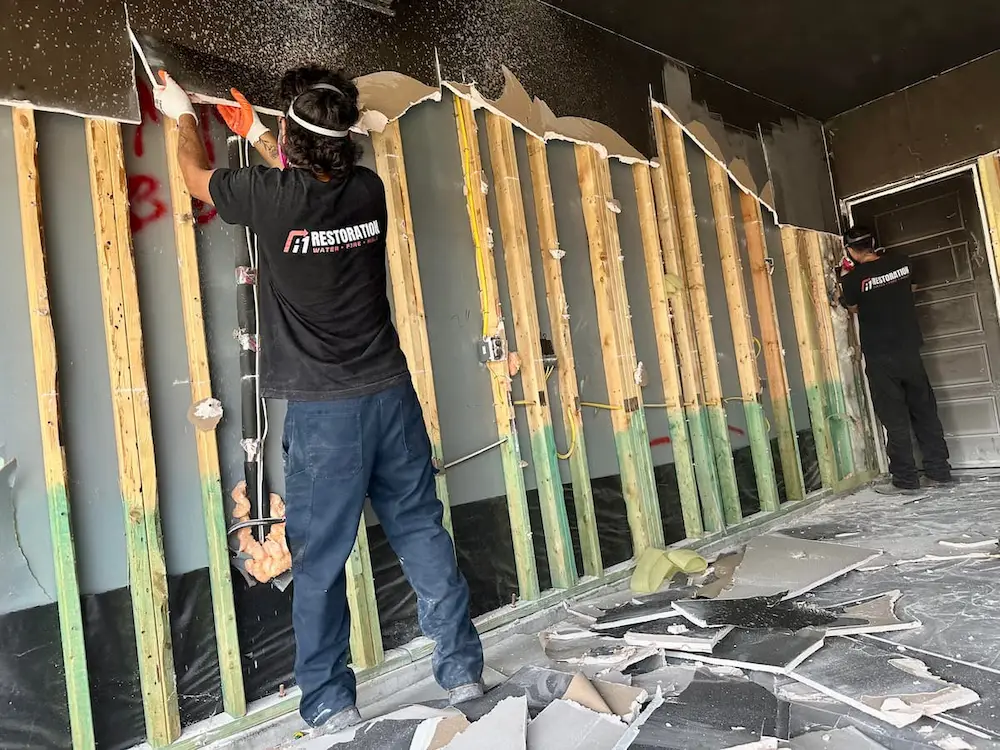
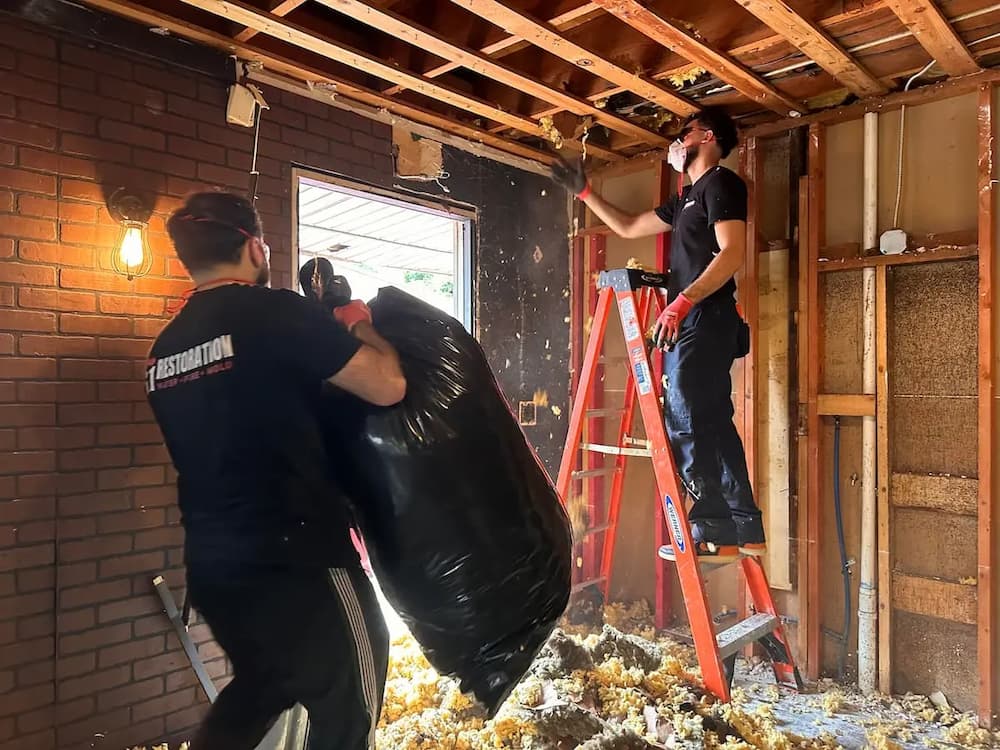
Stopping the water comes first: closing a valve, capping a line, or finding a hidden leak. Then we pump out standing water and set up dehumidifiers and air movers.
We map the moisture. Moisture meters show where water went inside walls, under floors, and behind cabinets, even where everything looks dry.
We remove what cannot be dried. Soaked carpet pad, swollen drywall, and anything sewage touched come out. Materials that stayed solid dry in place, which keeps the repair list shorter.
We dry it and check it. We keep taking readings until the wet areas match a dry part of the building. Then the same crew starts the repairs.
Why the water's source matters
| Source of the water | What it usually means | How we handle it |
|---|---|---|
A burst pipe or supply line | Clean water at first | Dried in place where possible, and checked before anything is closed up. |
A washer, dishwasher, or toilet overflow | Water with some contamination | Cleaned and disinfected. Carpet pad it soaked is usually replaced. |
A sewage backup | Water that carries bacteria | Treated as contaminated. Porous materials come out, and everything else is disinfected. |
Rain or runoff from outside | Water that can carry mud, debris, and bacteria | Mud is cleaned out. Porous materials it soaked are usually removed. |
Water that sat for a long time | Clean water turning dirty, and a mold risk | Dried fast, with moisture checks until every area reads dry. |
What can be saved
What We Can Save and What Usually Goes
It depends on what the item is made of, what kind of water reached it, and how long it stayed wet. These are the usual outcomes. Your inspection tells you what applies in your home.
- Usually saved
- Depends on the water and timing
- Usually replaced
Tile, stone, concrete, and metal
Usually savedThese clean and dry well, even after dirty water, once they are disinfected.
Wood framing and subfloor
Usually savedUsually dried in place, then checked with a moisture meter before walls or floors are closed up.
Hardwood floors
Depends on the water and timingBoards that dry slowly can often be saved. Boards that cupped or buckled badly are replaced.
Drywall
Depends on the water and timingFirm drywall with tight seams can dry in place. Swollen, crumbling, or sewage-soaked drywall is cut out.
Carpet
Depends on the water and timingCarpet wet with clean water and dried fast can sometimes stay. Carpet soaked by sewage or outside water is replaced.
Cabinets
Depends on the water and timingSolid wood often dries out. Particleboard that swelled usually cannot be saved.
Electronics and appliances
Depends on the water and timingHave them checked before you plug them back in, even if they look dry.
Photos and documents
Depends on the water and timingDo not throw them out. Lay them flat to dry, and ask us about important papers.
Carpet pad and insulation
Usually replacedThey hold water like a sponge and are hard to dry.
More than water
More Restoration Services From Our Cleveland Team
Water rarely comes alone. A leak can lead to mold, and a storm can bring both. Every job starts with an inspection and an estimate.
Storm damage
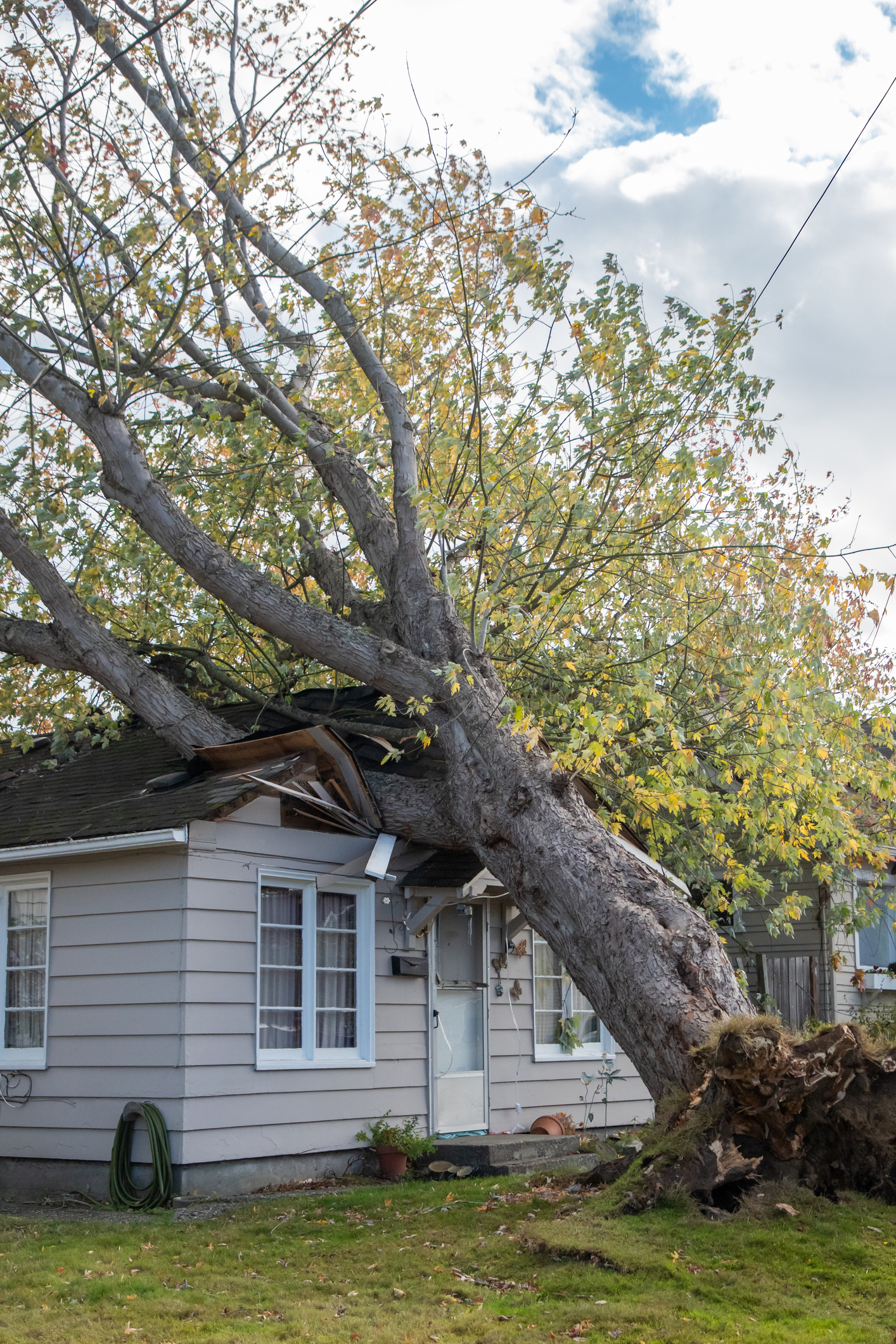
Summer thunderstorms and strong wind off Lake Erie can rip shingles loose and bring branches down on a roof. We dry out the wet areas and repair the inside of the house.
More about storm damage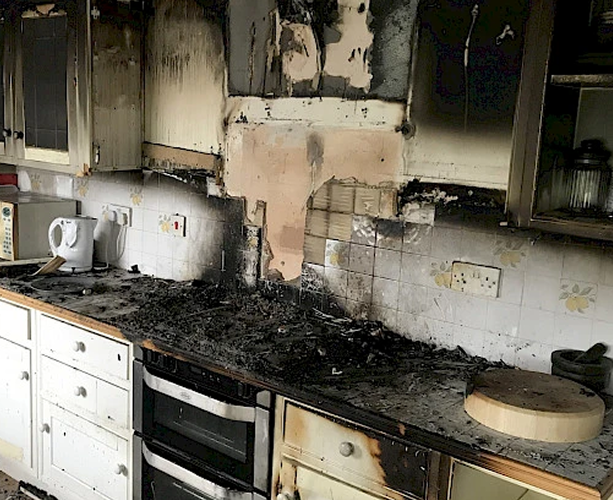
Fire and smoke damage
Furnaces and space heaters run for months each winter. A heating fire leaves soot far from the flames, plus water from the hoses. We clean, deodorize, dry, and rebuild.
More about fire damage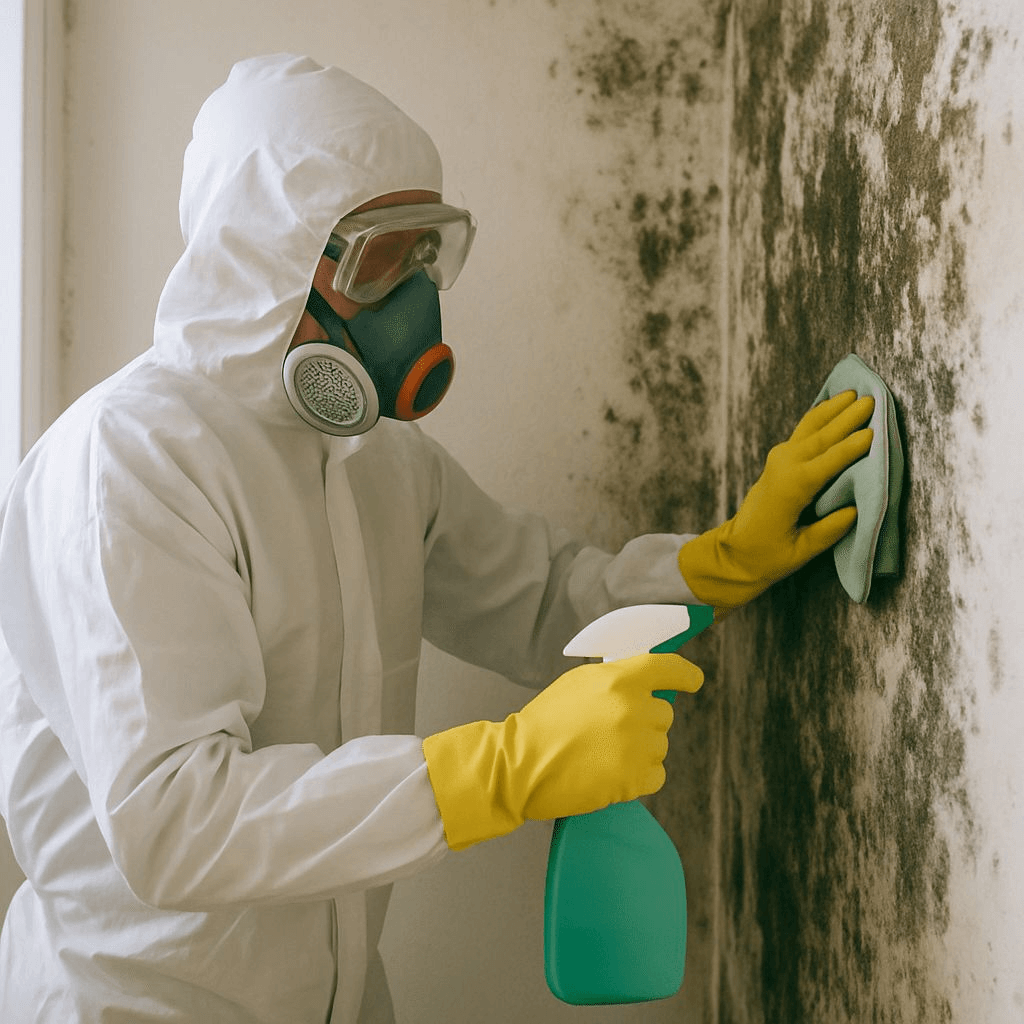
Mold remediation
Mold grows where water lingers, like behind basement paneling, under old carpet, or around a leaky window. Our first step is finding the moisture behind it. Then the mold comes out, and the space around it is dried.
More about mold remediation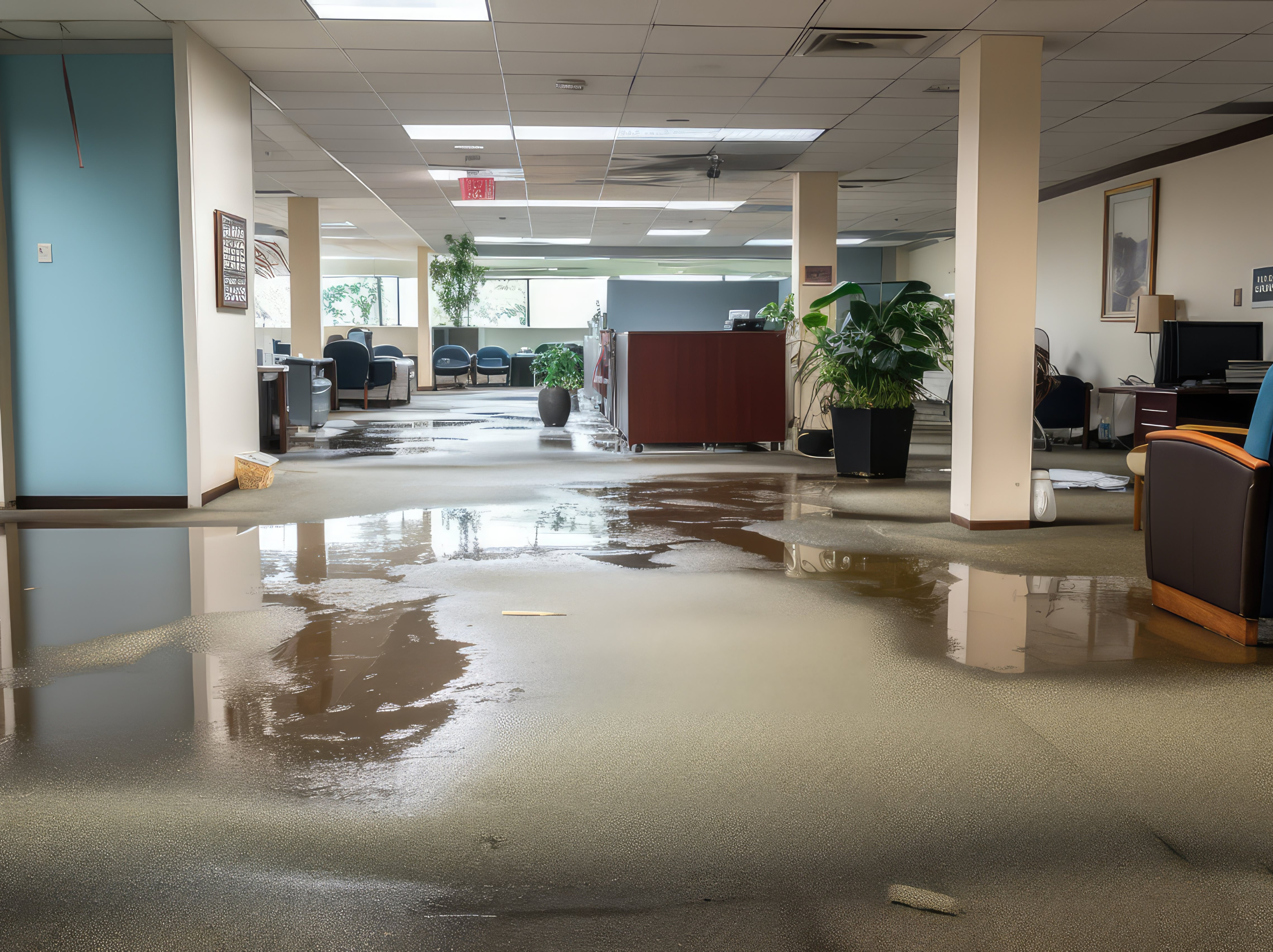
Commercial restoration
In an apartment building or storefront row, a leak upstairs can drip into the space below. We plan the drying around your hours where we can and keep the records your insurer asks for.
More about commercial restoration
Reconstruction
Many Cleveland homes are older, so new drywall, flooring, and trim are matched to the rooms around them. The crew that dried the building does the rebuild, so a second contractor is never needed.
Ask about repairsNot sure which one you are dealing with?
Tell us what you are seeing, and we will say what it needs.
Call 24/7, day or night(216) 232-5252
Step by step
Our Water Damage Restoration Process in Cleveland
From the phone call to the last walkthrough.
You call, and we start
Call (216) 232-5252 at any hour, on weekends, or on holidays. Describe the damage. If a pipe is still leaking, we will guide you to the shutoff valve.
We stop the source
We turn off the water, cap the broken line, or find where rain gets in, so no more arrives while we work.
We inspect and document
Moisture meters show how far the water spread. We take photos of every affected room for your claim.
We extract the water
Pumps and extractors pull standing water out of floors, carpet, and crawl spaces. Anything dirty water touched is cleaned and disinfected.
We remove what cannot be saved
Soaked pad, swollen drywall, and anything sewage reached come out. Materials that stayed solid stay in place to dry.
We dry and check
Dehumidifiers and air movers keep running until the wet areas read the same as a dry part of the building.
We rebuild
The same crew puts back drywall, flooring, trim, and cabinets and then paints. You do not need to hire a separate contractor.
Final walkthrough with you
You and the crew look over the finished rooms together, and we take final moisture readings. Then your insurance company gets the closing paperwork.
Water near outlets or the electrical panel?
Stay clear of that area, and do not touch switches or cords. Call us and we will tell you what to do next.
Insurance and claims
How Insurance Handles Water Damage in Cleveland
Most homeowners policies cover sudden water damage, like a pipe that bursts or a supply line that breaks. Damage from a slow leak or from wear and tear is often not covered.
Flooding from rising water outside is different. Standard homeowners policies typically exclude it. Sewer backups often need their own add-on, known as a water backup endorsement.
Your policy decides what is covered, not us. We give your adjuster what the claim needs. Coverage depends on your policy.
You can call us and your insurance company in either order. Before we move anything, we photograph the damage and record moisture readings.
What your adjuster will want
- The date the leak started and what caused it
- Photos and video of the source and every wet room
- Damaged items you kept for them to see
- Receipts for emergency repairs, fans, and hotel stays
What we send them
- Photos of each affected area
- Moisture readings for every wet room
- A line-by-line estimate for drying and repairs
- Answers to your adjuster's questions
Where Our Cleveland Team Works
We serve Cleveland and the towns around it.
Up to 45 miles around Cleveland
Not sure if you're in range? Call (216) 232-5252 and ask.
Including
- Lakewood
- Euclid
- Shaker Heights
- Westlake
- Strongsville
- Solon
- Mentor
- Elyria
- North Ridgeville
- Avon Lake
- Painesville
- Chagrin Falls
How fast can you get to me?
We can be at your door within 40 minutes. Call (216) 232-5252 and give us your address.
Does homeowners insurance cover water damage in Cleveland?
Usually it depends on what caused the water. Sudden events, such as a split pipe or a broken supply line, are often covered. Slow leaks and flooding from outside often are not. Coverage depends on your policy.
Can you clean up after a floor drain backs up in my Cleveland basement?
Yes. Water from a floor drain is treated as sewage, so we pump it out and remove the soaked materials that cannot be cleaned. Then we disinfect the area and dry it. Stay out of that water until we get there.
Can I dry out a wet basement with fans?
Usually only for a small amount of clean water caught early. If water soaked into carpet, paneling, or drywall, or backed up from a drain, fans will not reach it. Carpet pad stays wet long after the top of the carpet feels dry.
What are the signs of water behind a plaster wall?
Usually stains, bubbling paint, new cracks, or a musty smell. Plaster can feel solid even when the wall behind it is wet. A moisture meter shows what is going on inside.
Can I thaw a frozen pipe myself?
Usually, yes, if nothing is leaking. Open the faucet, then warm the pipe with a hair dryer or towels soaked in hot water. Never use an open flame. If water is coming through a wall or ceiling, shut off the main valve and call us.
Is it safe to turn my furnace back on after the basement floods?
No, not until it is checked. If water reached the burner, the controls, or the wiring, have a qualified heating technician inspect it first. Do the same for a gas water heater that sat in water.
What does a water damage job cost in Cleveland?
Usually it depends on how much water got in, what kind of water it was, and how much of the building needs rebuilding. Send your details in the form below, and we will give you an estimate before any work starts. If insurance covers it, we send the estimate to your adjuster.
Can I stay home during the work?
Often, yes, in the rooms that stayed dry. If sewage got in, the power is off, or large areas are torn out, staying somewhere else for a while may be easier. We tell you what we see after the inspection.
Day or night
Water in Your Cleveland Home or Business?
Call (216) 232-5252, 24/7, day or night. We can be at your door within 40 minutes.
Call 24/7, day or night(216) 232-5252Or ask for a free inspection online
Leave your details, and we will call you back.
Need help now? Call (216) 232-5252