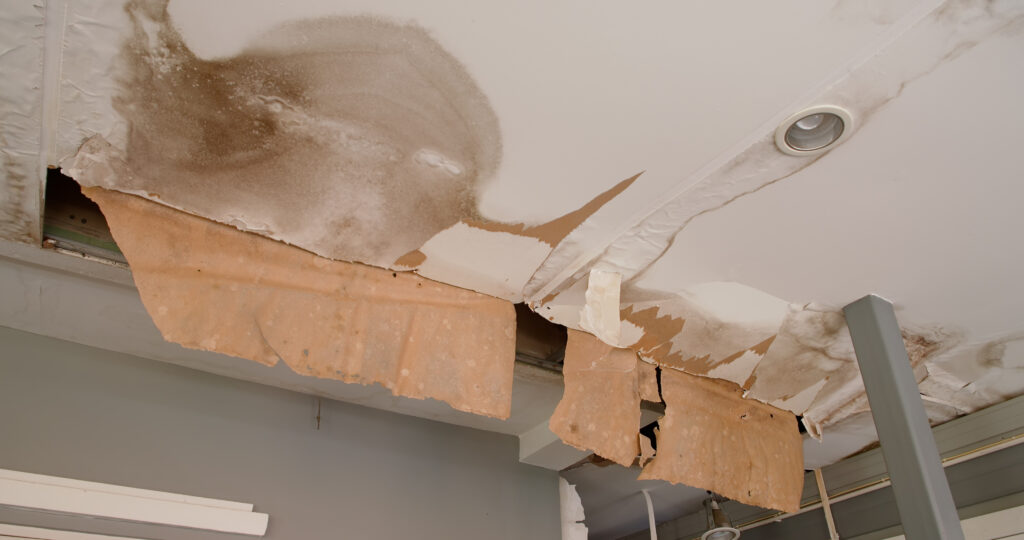
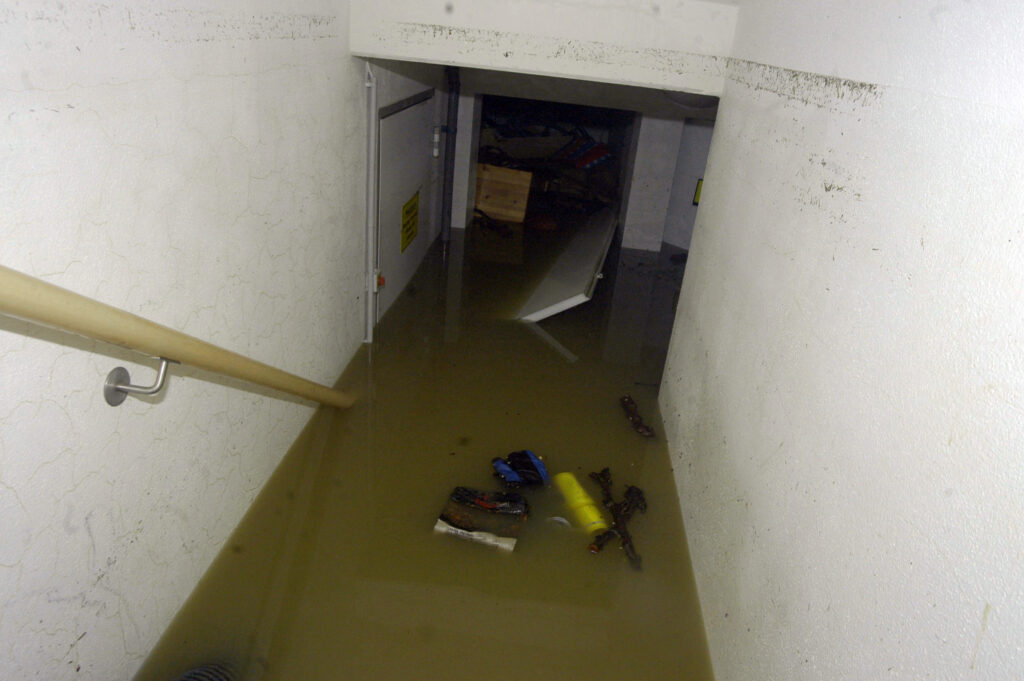
Water damage affects 14,000 Americans daily, often when they least expect it. Whether from a burst pipe, a severe storm, an appliance failure, or a plumbing leak, acting quickly is critical to prevent:
- Structural Damage
- Mold Growth
- Costly Repairs
If your home experiences sudden flooding or water intrusion, knowing what steps to take right away can make a major difference.
Here’s what homeowners should do immediately after water damage occurs.
Ensure Safety First
Before addressing the damage, make sure everyone in the home is safe. Water and electricity can be a dangerous combination, and structural hazards may also exist.
Take these precautions first:
- Turn off electricity to affected areas if it’s safe to do so.
- Avoid standing water near electrical outlets or appliances.
- Shut off the main water supply if the damage is caused by a plumbing issue.
- Leave the home if structural damage is suspected.
Your safety should always come before attempting any cleanup.
Stop the Water Source
Once the area is safe, identify and stop the source of the water if possible.
Common sources include:
- Burst or Leaking Pipes
- Overflowing Appliances (washing machines, dishwashers, water heaters)
- Roof Leaks During Heavy Rain
- Sewage Backups
Turning off the main water valve can prevent further flooding. If the source cannot be stopped immediately, contacting a professional restoration company like A1 Restoration can help minimize additional damage.
Document the Damage for Insurance
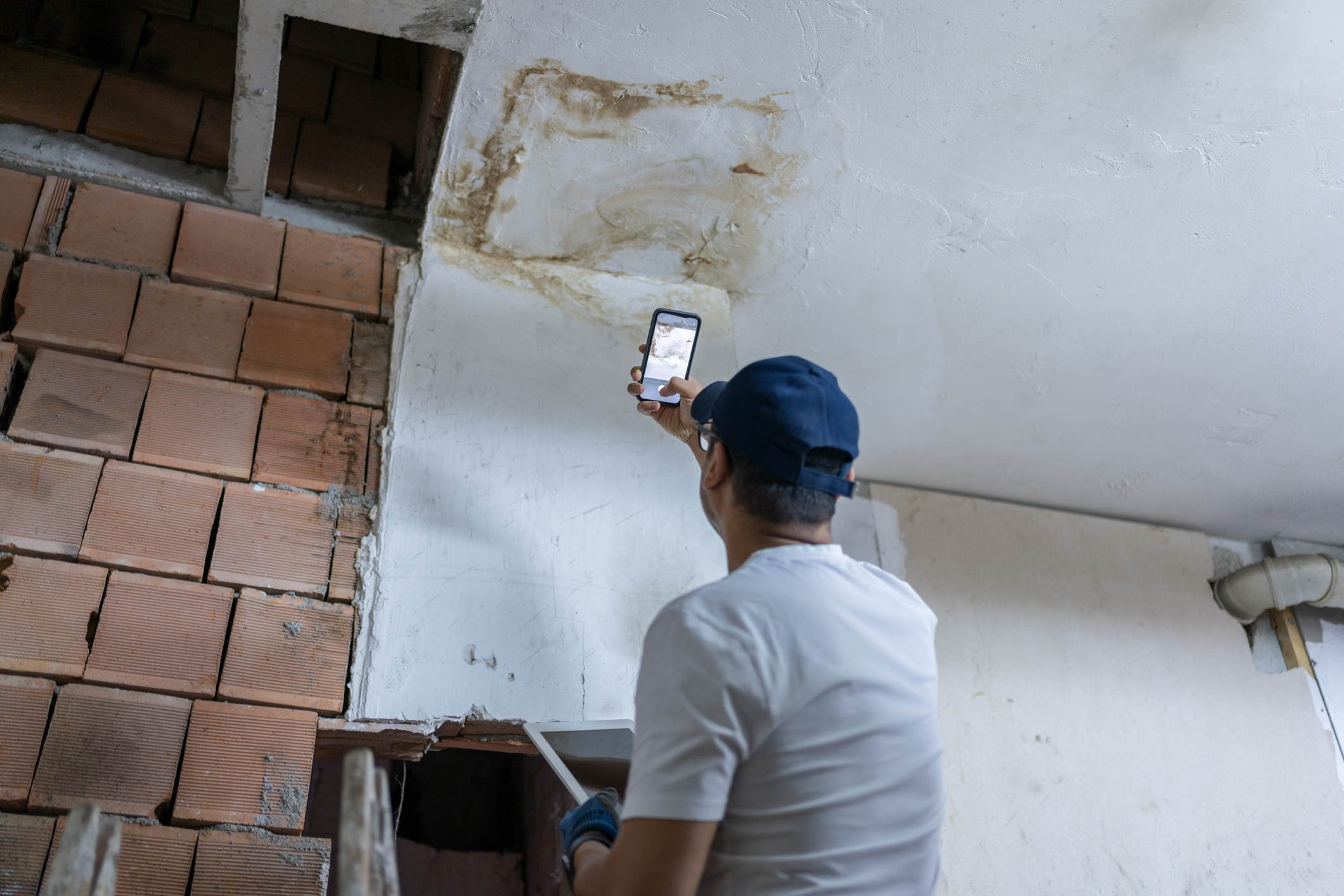
Before you begin cleanup, document everything for your insurance claim.
Here’s how:
- Take clear photos and videos of affected areas.
- Capture damaged furniture, flooring, walls, and belongings.
- Keep records of any emergency repairs.
- Contact your insurance provider as soon as possible.
Proper documentation helps ensure your claim process goes smoothly and increases the likelihood of receiving adequate coverage.
Remove Standing Water Quickly
The longer water sits, the more damage it causes. Moisture can seep into floors, walls, insulation, and furniture within hours.
If it’s safe to begin removal, you can:
- Use towels, mops, or buckets for small amounts of water.
- Run wet/dry vacuums to extract standing water.
- Move wet furniture and rugs to dry areas.
- Open windows to increase ventilation.
Our professional restoration teams use industrial pumps and extraction equipment to remove large volumes of water much faster.
Begin Drying the Area
Even after visible water is removed, hidden moisture can remain inside materials.
- Running fans and dehumidifiers
- Opening cabinets and closets to promote airflow
- Removing wet carpets or padding if heavily soaked
- Wiping down surfaces to reduce lingering moisture
Quick drying is essential to prevent mold growth, which can begin within 24–48 hours after water damage.
Contact a Professional Restoration Company
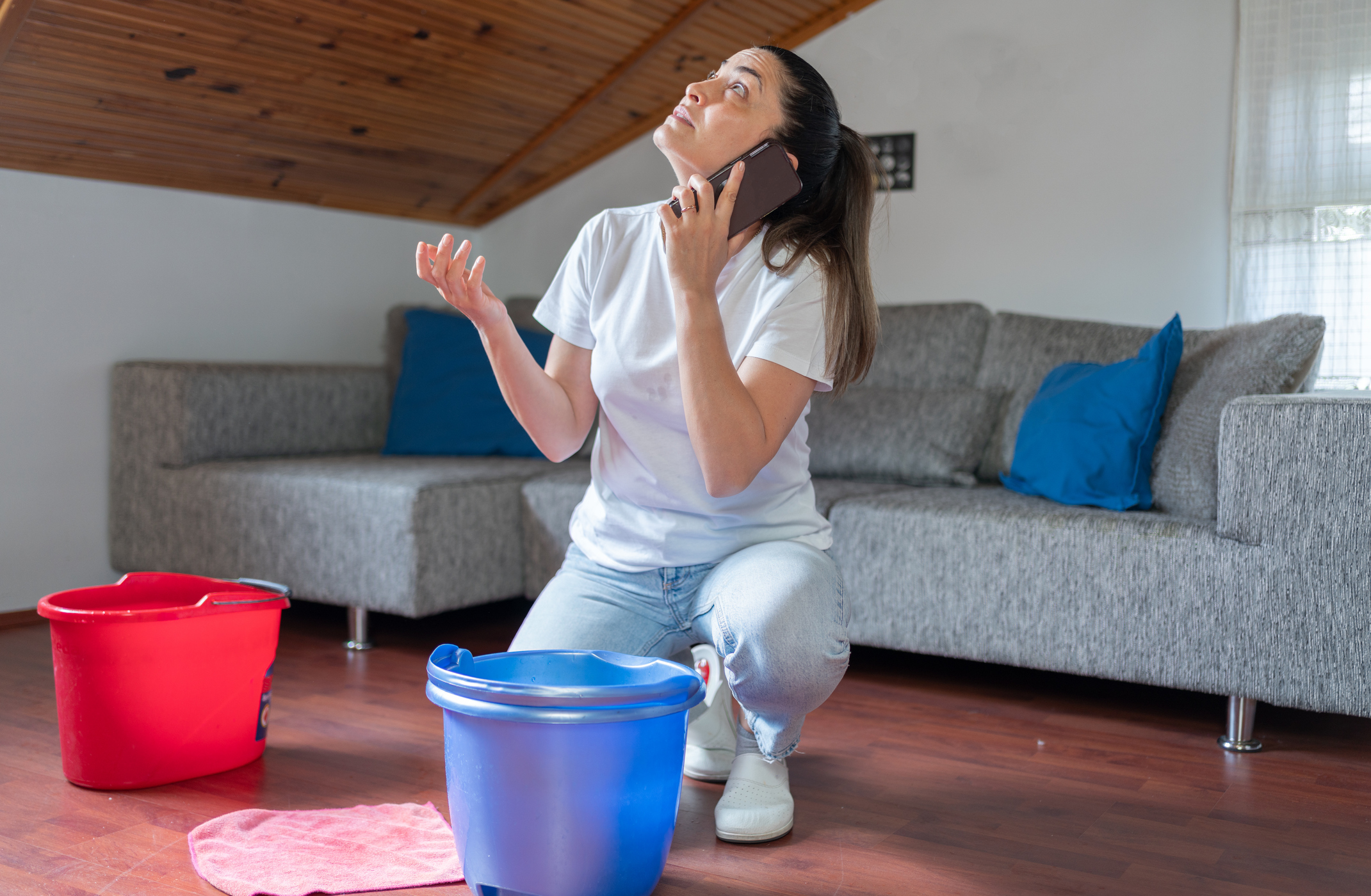
While small water issues may be manageable, many situations require professional restoration services.
A1 Restoration specializes in:
- Water extraction and drying
- Moisture detection and structural drying
- Mold prevention and remediation
- Full property restoration
Our professional technicians use advanced equipment to ensure hidden moisture is removed and your home is restored safely.
Act Fast After Water Damage
Water damage can escalate quickly, turning a minor issue into a major repair if left untreated. By prioritizing safety, stopping the water source, documenting damage, and beginning the drying process right away, homeowners can significantly reduce long-term damage.
If the situation feels overwhelming, contact A1 Restoration right away to help you recover faster and protect your home from further complications.