- Home
- Water Damage
- Flood Cleanup
Flood Cleanup (24/7 Emergency Water Removal)
When flooding hits, every hour matters. A1 Restoration provides rapid water extraction, structural drying, cleaning, and documentation to reduce damage and protect your property.
- Residential & Commercial Flood Losses
- 24/7 Emergency Dispatch
- Sanitizing / Decontamination (as needed)
- Professional Extraction & Drying
Flood Cleanup
Flooding Can Spread Fast — Here’s Why Immediate Cleanup Matters
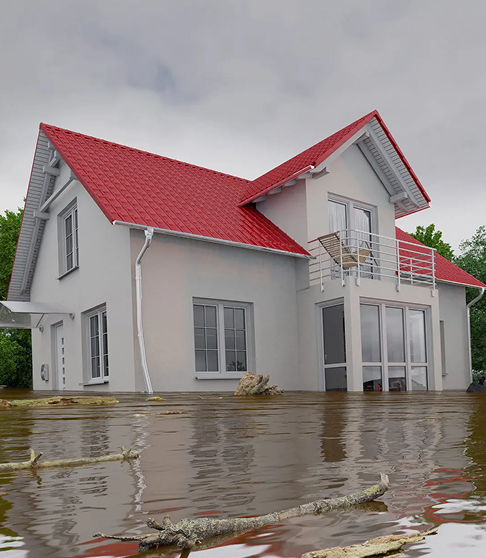
Floodwater moves quickly into flooring systems, drywall, insulation, and hidden cavities. Even after standing water is removed, trapped moisture can continue damaging materials and create conditions for microbial growth. Our flood cleanup process is designed to stabilize the property, remove water thoroughly, dry the structure with verified readings, and help you move into repairs with clarity.
What Counts as “Flood” Damage?
Flooding can come from multiple sources, including:
If there is any indication of sewage or black water conditions, see: Sewage Cleanup
Our Flood Cleanup Services
Emergency Water Extraction & Pump-Out
Water Removal From Floors, Carpets, and Subfloors
Moisture Mapping & Damage Assessment
Structural Drying & Dehumidification
Cleaning, Sanitizing & Odor Control
Contents Support
Documentation for Insurance
Floodwater Categories (How It Affects Cleanup)
Flood cleanup requirements depend on the water source. We assess and tailor procedures accordingly:
Clean Water
Limited contamination (some rainwater events early in the loss).
Gray Water
Possible contamination (drainage overflow, some appliance sources).
Contaminated Water:
Higher-risk water with significant contamination potential (surface floodwater, sewage-impacted events).
If there is any indication of sewage or black water conditions, see: Sewage Cleanup
Signs Floodwater Is Still Hidden in Your Home
- Floors feel spongy or warped
- Baseboards separating or swelling
- Damp smells that persist after “mopping up”
- Stains spreading on drywall or lower walls
- Condensation on windows, high indoor humidity
- Water sounds in walls or under floors
If you suspect hidden moisture, structural drying becomes the priority.
The A1 Restoration Flood Cleanup Process
Step 1: Rapid Response & Safety Check
We assess site conditions, electrical safety, and the extent of flooding, then create a mitigation plan.
Step 2: Water Removal & Debris Clearing
We remove standing water and dispose of debris as needed to access affected areas.
Step 3: Moisture
Mapping & Equipment Setup
We identify moisture migration paths and set equipment where it will dry the structure most effectively.
Step 4: Controlled Drying & Monitoring
We monitor drying progress, adjust equipment, and document moisture readings until drying targets are met.
Step 5: Cleaning / Sanitizing & Next-Step Planning
We complete cleaning/disinfection steps (as needed) and outline repair or rebuild recommendations.
Flood Cleanup for Basements
Basements are especially vulnerable because water collects at the lowest point and can become trapped behind finished walls or under flooring systems. We provide targeted basement pump-out, extraction, and drying to help prevent long-term issues.
Residential & Commercial Flood Cleanup
Residential
We prioritize fast stabilization, drying verification, and practical guidance to reduce disruption.
Commercial
We focus on containment, safety, and minimizing downtime—often coordinating work around operating hours when feasible.
Why Choose A1 Restoration for Water Damage
Built for Emergency Response and Measurable Drying Results
Frequently Asked Questions
How soon should I start flood cleanup?
Immediately. The faster extraction and drying begin, the better the chances of limiting swelling, warping, and secondary damage.
Can I just use fans and a shop vac?
Immediately. The faster extraction and drying begin, the better the chances of limiting swelling, warping, and secondary damage.
How long does flood drying take?
Immediately. The faster extraction and drying begin, the better the chances of limiting swelling, warping, and secondary damage.
Do you handle contaminated floodwater?
Immediately. The faster extraction and drying begin, the better the chances of limiting swelling, warping, and secondary damage.
Will you help with repairs after the flood?
Immediately. The faster extraction and drying begin, the better the chances of limiting swelling, warping, and secondary damage.
Need Flood Cleanup Now? We’re Ready 24/7
Flood damage can worsen quickly. Call A1 Restoration for immediate water removal, drying, and cleanup support.
24/7 Emergency Number: (855) 645-7903