
- Home
- Water Damage
- Basement Water Removal
Basement Water Removal (24/7 Emergency Cleanup)
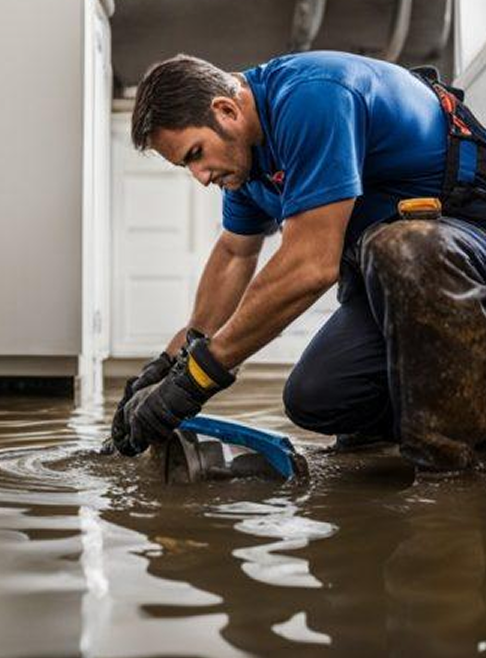
Basements trap water fast and hide moisture behind walls and under flooring. A1 Restoration provides rapid extraction, controlled drying, and documentation to help reduce damage and prevent long-term issues.
- 24/7 Emergency Dispatch
- Pump-Out + Extraction
- Structural Drying & Dehumidification
- Sanitizing / Odor Control (as needed)
Basement Water Removal
Why Basement Water Damage Is Different
Basements are vulnerable because they sit below grade and collect water at the lowest point. Even after the visible water is removed, moisture can remain trapped behind finished walls, under baseboards, beneath carpet padding, and inside subfloor systems.
Basement water removal is most effective when it includes extraction + moisture mapping + verified structural drying—not just “mopping up.”
Common Causes of Basement Flooding
If your basement flood is from storm water, see: Flood Cleanup
If sewage is present or suspected, see: Sewage Cleanup
What to Do If Your Basement Is Flooded
Electrical Safety First
Avoid electrical hazards. Do not enter standing water if outlets, cords, or electrical panels may be affected.
1
Stop the Water Source
Stop the source if possible (shut off water, address visible leaks).
2
No Household Vacuums
Do not use a household vacuum for standing water.
3
Call Professional Help
Call A1 Restoration for 24/7 basement water removal: (855) 645-7903.
4
If the water has an odor, discoloration, or waste, treat it as contaminated & avoid contact
Basement Water Removal Services
Basement flooding requires fast water extraction, proper containment, and thorough drying to prevent further damage. A1 Restoration provides 24/7 emergency basement water removal, moisture control, and structural drying to help make your property safe and dry again.
Pump-Out and Water Extraction
Water Removal From Carpets, Floors, and Subfloors
Moisture Mapping (Walls, Framing, and Cavities)
Cleaning, Sanitizing, and Odor Control (As Needed)
Structural Drying and Dehumidification
Documentation and Next-Step Planning
Finished Basements: Hidden Moisture and Material Risk
Finished basements can conceal damage behind:
- Drywall and insulation
- Baseboards and trim
- Built-ins and cabinets
- Vinyl, laminate, engineered wood, or carpet systems
We assess saturation and make recommendations to help you avoid trapped moisture that can lead to ongoing deterioration or microbial growth. For general restoration guidance, see: Water Damage Restoration
The A1 Restoration Basement Water Removal Process
Step 1: Safety Assessment & Loss Evaluation
We evaluate electrical risks, identify the water source, and determine how far the water has traveled.
Step 2: Pump-Out / Extraction
We remove standing water and begin stabilization steps to limit further absorption.
Step 3: Moisture Mapping & Drying Plan
We measure moisture in walls, floors, and cavities to create an equipment placement strategy.
Step 4: Structural Drying & Monitoring
Step 5: Cleaning / Disinfection & Repairs Guidance
We complete sanitizing steps as needed and provide next-step recommendations for repair and rebuild.
Why Choose A1 Restoration for Basement Water Removal
Built for Emergency Response and Measurable Drying Results
Frequently Asked Questions
How long does it take to dry a flooded basement?
Drying time varies based on saturation level, building materials, temperature, and humidity. We monitor moisture readings and adjust equipment until targets are met.
Can you save carpet and padding after a basement flood?
Drying time varies based on saturation level, building materials, temperature, and humidity. We monitor moisture readings and adjust equipment until targets are met.
Do you handle sump pump failure floods?
Drying time varies based on saturation level, building materials, temperature, and humidity. We monitor moisture readings and adjust equipment until targets are met.
What if the basement water smells bad or looks dirty?
Drying time varies based on saturation level, building materials, temperature, and humidity. We monitor moisture readings and adjust equipment until targets are met.
Will you help with repairs afterward?
Drying time varies based on saturation level, building materials, temperature, and humidity. We monitor moisture readings and adjust equipment until targets are met.
Flooded Basement? Call A1 Restoration 24/7.
Basement water damage can worsen quickly—especially behind finished walls and under flooring. Get professional extraction and drying now.
24/7 Emergency Number: (855) 645-7903